Bosch Powers Up Its First U.S. Chip Plant, Staking $2 Billion on Silicon Carbide
By Tech Desk
Bosch said it has started sample production of silicon carbide chips at its Roseville, California factory, the German supplier's first semiconductor plant on American soil. The milestone closes a $2 billion overhaul of a site that has changed owners four times since 1984, and it lands days after Bosch finalized a $225 million subsidy award under the U.S. CHIPS and Science Act.
The company began running silicon carbide (SiC) integrated circuits on 200-millimeter wafers at the former TSI Semiconductors fab it acquired in 2023. At full capacity, Bosch says the plant will turn out the majority of its global SiC output and more than 40% of all SiC chips made in the United States. That is a concentrated bet on a material most consumers have never heard of, yet one that sits inside the power electronics of a growing share of electric cars, fast chargers, and solar inverters.
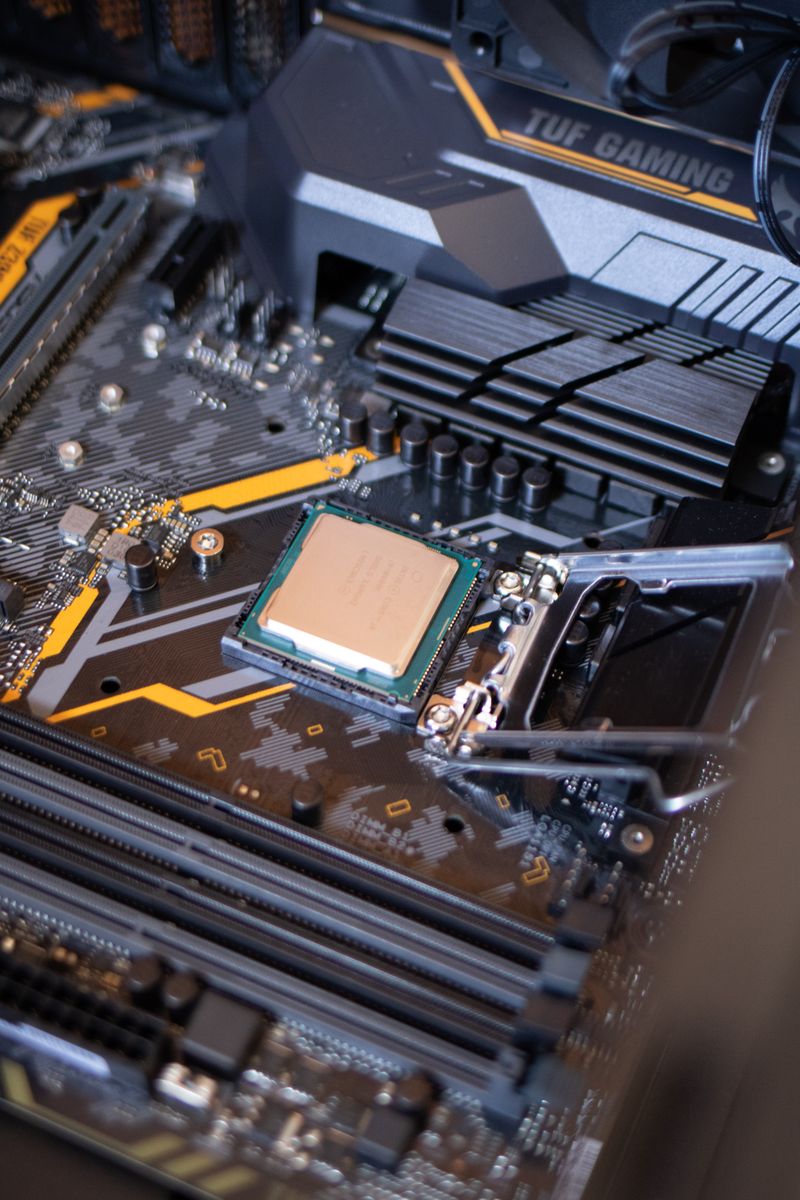
A 40-year-old site reborn for power chips
The Roseville campus carries a long and bumpy history. NEC built the fab in 1984, the same year the Japanese company briefly became the world's top semiconductor maker. In 2010, NEC's chip unit merged into Renesas — the joint venture formed by Hitachi's and Mitsubishi's semiconductor operations — and Renesas ran the line for about a year before selling it to Telefunken in 2011. A stretch of lawsuits and layoffs followed, and in 2012 the site was rebranded TSI Semiconductors and run as a foundry.
Bosch bought the plant three years ago and has since sunk roughly $2 billion into it, including the Commerce Department's $225 million. The facility holds 130,000 square feet of cleanroom space. That footprint is what lets Bosch promise both the bulk of its own SiC supply and a large slice of the domestic total.
"We are focused on growth and investment in the United States in order to increase the share of our global portfolio that is represented by North America and the U.S. specifically," said Paul Thomas, president and chief executive of Bosch in North America. He called the start of sample production and the Commerce Department agreement "a milestone in providing our local customers with what they have requested — localised U.S.-based manufacturing."
What silicon carbide actually buys you
Plain silicon still runs nearly every chip in your phone and laptop. Silicon carbide is a different animal. It is a wide-bandgap material, which means it tolerates far higher voltages, temperatures, and switching speeds before it breaks down. In a car's traction inverter, that tolerance cuts energy lost as heat and lets engineers shrink the cooling hardware. The result is longer driving range or, at the same battery size, lower cost.
Bosch is not alone in chasing the material. Wolfspeed, onsemi, Infineon, and STMicroelectronics have all poured money into SiC over the past three years as automakers raced to lock in supply. The technology's appeal is concrete: every percentage point of inverter efficiency saved at highway speeds shows up as real range, and every watt of heat not generated is a dollar of copper and aluminum not shipped.
The catch is yield. SiC is brittle, and growing defect-free crystals large enough for 200-mm wafers has historically been slow and expensive. Bosch's decision to retool a mature 200-mm line rather than build from scratch hints at where it thinks the cost curve is heading.
The CHIPS Act money and what it ties to
The $225 million award is not a blank check. Commerce Secretary Howard Lutnick framed the deal in national-security terms, saying the administration "is committed to developing a secure supply chain here in the United States that will enable continued innovation and competitive leadership in industries of national and economic security importance."
That language tracks the law's intent. The CHIPS and Science Act was written to pull advanced manufacturing back onto U.S. soil after decades in which most leading-edge capacity migrated to East Asia. Silicon carbide qualifies on two counts: it is strategic, and it is scarce at home. Bosch projects the Roseville line will account for over 40% of U.S.-made SiC once it ramps, a share large enough to move the domestic supply picture on its own.
Bosch is marking 120 years of U.S. operations this year, and the company has said it plans to invest up to $7.5 billion across its American businesses over the coming years. The Roseville fab is the most visible piece of that push, but it sits inside a wider portfolio that spans mobility, industrial, and energy technology — all of which buy the kind of chips the plant will make.
Why a car-parts giant is betting on wafers
Bosch earns its living supplying the auto industry, and that customer base is precisely why SiC matters to it. Electric vehicles waste range whenever their power electronics shed energy as heat, so automakers have been among the first to pay a premium for silicon carbide. Bosch already ships SiC power devices from Europe and expects demand to keep climbing as more affordable EVs reach showrooms.
The U.S. plant also shortens the distance between fab and customer. Car makers have spent two years rewriting supply chains to avoid single points of failure, and a domestic SiC source lets Bosch promise delivery without a transatlantic crossing. Thomas noted the Roseville output "helps to support supply chain resiliency and capitalizes on the expertise of U.S. manufacturing associates to bring this technology to the U.S. market in a timely manner."
You can read more about how this slots into the broader chip-manufacturing push in our Semiconductors archive, and about the EV demand pulling on the supply side in our Electric Vehicle coverage.
Where this fits in the U.S. onshoring push
Roseville is one node in a much larger build-out. TSMC is standing up fabs in Arizona, Intel is expanding in the Midwest and Southwest, and a string of smaller specialty houses are chasing CHIPS dollars for everything from memory to compound semiconductors. Most of those projects target logic chips built on the newest nodes. Bosch's angle is different: it is going wide-bandgap, not bleeding-edge, and it is serving power electronics rather than processors.
That distinction matters for readers tracking the sector. The headlines about record quarters at foundries and frothy valuations in AI-linked chip stocks tend to obscure the quieter, metals-and-furnaces work of making SiC. Yet the energy transition leans on exactly that work. A grid-tied solar array, a 350-kilowatt charger, and a pickup's drive unit all need switches that shrug off heat — and silicon carbide is the leading answer today.
The bottom line
Bosch's Roseville startup is a small event with an outsized signal. A 40-year-old shell of a fab, once written off through three corporate owners, now makes strategic chips on U.S. soil with federal backing. Sample wafers are running; volume is the next hurdle, and SiC yield is unforgiving. If Bosch clears it, the plant will anchor a meaningful share of domestic power-semiconductor supply just as electric mobility and clean energy demand it most.
For now, the company has what it wanted: a U.S. address for a strategic material, a Commerce Department partner, and a story it can tell customers who prize a short, resilient supply line. Whether the $2 billion pays back depends on the one thing no press release can guarantee — that the wafers keep coming out clean.
Sources: Electronics Weekly, Semiconductor Today, and Bosch's own account of the Roseville plan.