Two UK Data Centres Proposed with On-Site Gas Power Would Emit More CO2 Than ExxonMobil's Entire UK Operations
Analysis by the non-profit group Foxglove reveals that when fully operational, the Wapseys Wood data centre in Buckinghamshire and the Quest Park data centre in Bedfordshire will use 1.3GW of power and will produce more than 4.5 million tonnes of carbon emissions per year.
ExxonMobil emitted 3.9 million tonnes in 2023, according to Ember's annual review of the UK's largest emitters. The analysis demonstrates the serious threat datacentres pose to the UK's legally binding climate goals.
AI datacentres use a massive amount of electricity to power servers and cooling equipment, and to run facility systems. There are currently 315 datacentres in the queue to connect to the UK's electricity grid, representing 73GW of demand. This is almost double the peak winter energy demand for the entire UK.

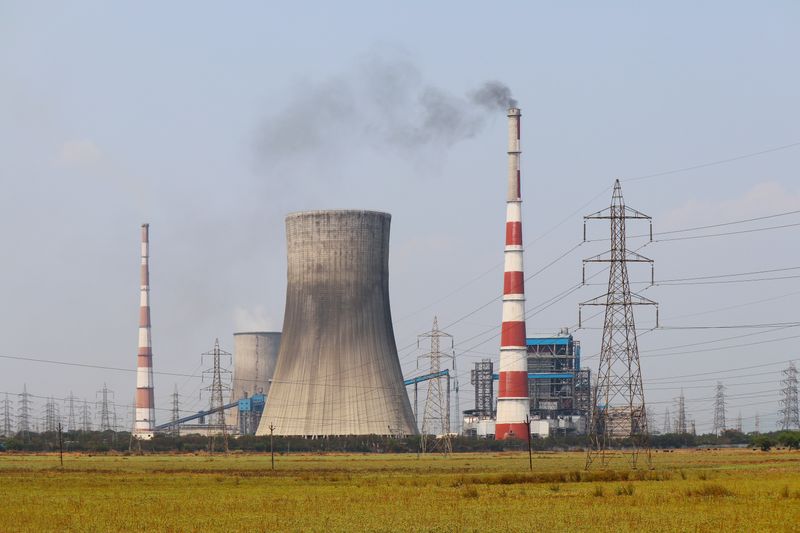
Because of the long wait to connect to the grid, the Wapseys Wood and Quest Park data centres are seeking to build their own on-site gas-fired power stations.
Based on government figures on the carbon intensity of electricity generation, Foxglove has calculated these projects will produce 4.577 million tonnes of carbon emissions per year.
A government spokesperson said these figures were misleading because of the assumption that both projects will run at 100% utilisation from day one, which it said was not accurate. Toby Perkins, a Labour MP and chair of the Commons environmental audit committee, which is leading an inquiry into the environmental impact of datacentres, said this analysis was a potent reminder that without the right measures in place, data centres could represent a serious threat to the environment and to our legally binding climate goals.
The two data centres are among the first to be fast-tracked through the government's nationally important infrastructure project (NSIP) regime. This regime allows developers to rapidly deliver infrastructure projects by bypassing local planning authorities with decisions instead handled by central government.
Oliver Hayes, head of policy at the campaign group Global Action Plan, said the two projects were catastrophic for our carbon budgets. He said the only way the rapid rollout of data centres could fit within these budgets was if other elements of the economy were given much stricter carbon budgets.
Sam Hunter-Jones, a ClientEarth lawyer, said every megawatt powering a data centre connected to the grid was a megawatt that could not be used to replace fossil fuels elsewhere. The reality is that unchecked data-centre growth is making the transition away from fossil fuels harder, not easier.
Lucas also raised concerns about the projects being fast-tracked, and said it insulates them from local scrutiny. In order to be able to make sensible decisions on which projects should go ahead and where they should be, we need to have more information in the public domain. We need to have more scrutiny, not less, and yet things like the NSIP regime are moving things in the opposite direction.
A spokesperson for the Department for Energy Security and Net Zero said datacentres were a vital part of the economy and of everyday life, and pointed to plans for unprecedented amounts of clean power as the way to accommodate new industries such as data centres.
The Wapseys Wood data centre in Buckinghamshire and the Quest Park data centre in Bedfordshire will use 1.3GW of power and will produce more than 4.5 million tonnes of carbon emissions per year — more than ExxonMobil's 3.9 million tonnes in 2023.
Experts have said this demonstrates the serious threat data centres pose to the UK's legally binding climate goals.
Foxglove's full analysis, first reported by The Guardian reveals two planned data centres in England will produce more carbon emissions than ExxonMobil's entire UK operations. Analysis by the non-profit group Foxglove reveals that when fully operational, the Wapseys Wood data centre in Buckinghamshire and the Quest Park data centre in Bedfordshire will use 1.3GW of power and will produce more than 4.5 million tonnes of carbon emissions per year.
What the Numbers Mean for the UK's Climate Commitments
The UK is committed to reducing greenhouse gas emissions by 78% compared to 1990 levels by 2035, under its sixth carbon budget. But analysis of these two proposed data-centre projects shows a single category of infrastructure could undermine national climate goals before either site even opens.
Foxglove estimates that at full operation, Wapseys Wood and Quest Park would require 1.3 gigawatts of electricity combined — roughly the output of a large nuclear reactor. That level of demand, met primarily through on-site gas-fired generation, would produce annual emissions exceeding the entire 2023 UK output of ExxonMobil's upstream operations.
The government has sought to dismiss the comparison, saying the analysis assumes both projects run at 100% utilisation from their first day of operation. But campaigners argue that following standard industry practice for capacity modelling is not the same as a forecast of actual output. Friends of the Earth campaigner Kierra Box said it was valid to look at those top-level predictions because data centres are intended to increase load and run at full capacity.
Even accounting for a more realistic ramp-up timeline, the scale of proposed emissions remains substantial. With 315 additional data-centre projects waiting to connect to the UK's electricity grid, representing 73GW of total demand, the two-fast-tracked projects are a notable — and avoidable — addition to the national carbon ledger.
The Grid Bottleneck Behind On-Site Generation
The root cause of this emissions surge is a chronic connection bottleneck. The UK's electricity grid operator has a backlog of 315 data-centre connection applications, representing a combined 73 gigawatts of demand — nearly twice the country's peak winter energy demand. Most projects cannot wait years for a grid connection, so developers are pursuing on-site generation as a workaround.
On-site gas-fired power stations bypass the grid entirely, but they come with their own climate penalty. Gas-fired generation typically produces around 490 grams of CO2 per kilowatt-hour, meaning a plant serving a 1.3GW campus running flat out could emit several million tonnes of CO2 per year — before accounting for methane leaks upstream.
The NSIP regime, which fast-tracks these applications, was designed to accelerate critical national infrastructure. But Oliver Hayes of Global Action Plan said it was a very worrying sign that the government had allowed two gas-fired data centres into the regime. "I think that sends an extremely bad signal and demonstrates that they are not serious about addressing the emissions associated with data centres," he said, describing it as an affront to local people.
Why This Matters Beyond the UK
The implications extend well beyond British climate policy. This is not the first time the sheer scale of AI-era power demand has collided with grid reality — our earlier coverage of data-centre buildouts running into power constraints charted how half of the world's proposed gigawatt-scale campuses may be delayed or never built. Data-centre electricity demand is projected to more than double to 945 terawatt-hours globally by 2030, according to the International Energy Agency's Energy and AI report, accounting for roughly 3% of global electricity use. Eighty percent of new demand is expected in US projects, but the UK's situation illustrates how even smaller markets are being drawn into the AI infrastructure rush.
Sam Hunter-Jones of ClientEarth put it plainly: every megawatt powering a data centre connected to the grid is a megawatt that could not be used to replace fossil fuels elsewhere. Unchecked data-centre growth is making the transition away from fossil fuels harder, not easier.
Without stronger grid planning and clearer emissions thresholds for new data-centre approvals, the UK risks locking in decades of fossil-fuel dependence under the guise of AI infrastructure development. Market analysts already expect the global data-centre market to hit $120 billion by 2030, so the two projects under analysis may be just the first wave — if the full 315-strong connection queue proceeds with similar on-site generation strategies, the climate consequences could be far more severe.
What Happens Next
The government says its own analysis shows there are multiple pathways for this rapid data-centre rollout to fit within the seventh carbon budget, which sets out how the government will reach its international climate targets. But there remains a high level of uncertainty over how this will work in practice.
The two data centres are seeking approval through the planning regime for nationally important infrastructure, with decisions expected in the coming months. Campaigners will be watching closely — not just for the climate impact, but for whether the process will require any emissions mitigation, such as green hydrogen blending, carbon capture, or strict utilisation caps.
Foxglove said it was a potent reminder that without the right measures in place, data centres could represent a serious threat to the environment and to our legally binding climate goals. The only way the rapid rollout of data centres could fit within these budgets was if other elements of the economy were given much stricter carbon budgets.
Until then, the contrast is stark: two proposed data centres with a combined 1.3GW capacity could emit more carbon annually than the entire UK upstream oil operation of ExxonMobil — one of the world's largest fossil-fuel extractors.
Keywords: data centres, carbon emissions, climate change, UK energy, gas power, grid infrastructure, ExxonMobil, Foxglove analysis