Solid-State and Calcium-Ion Batteries Take Real Steps Forward in 2026
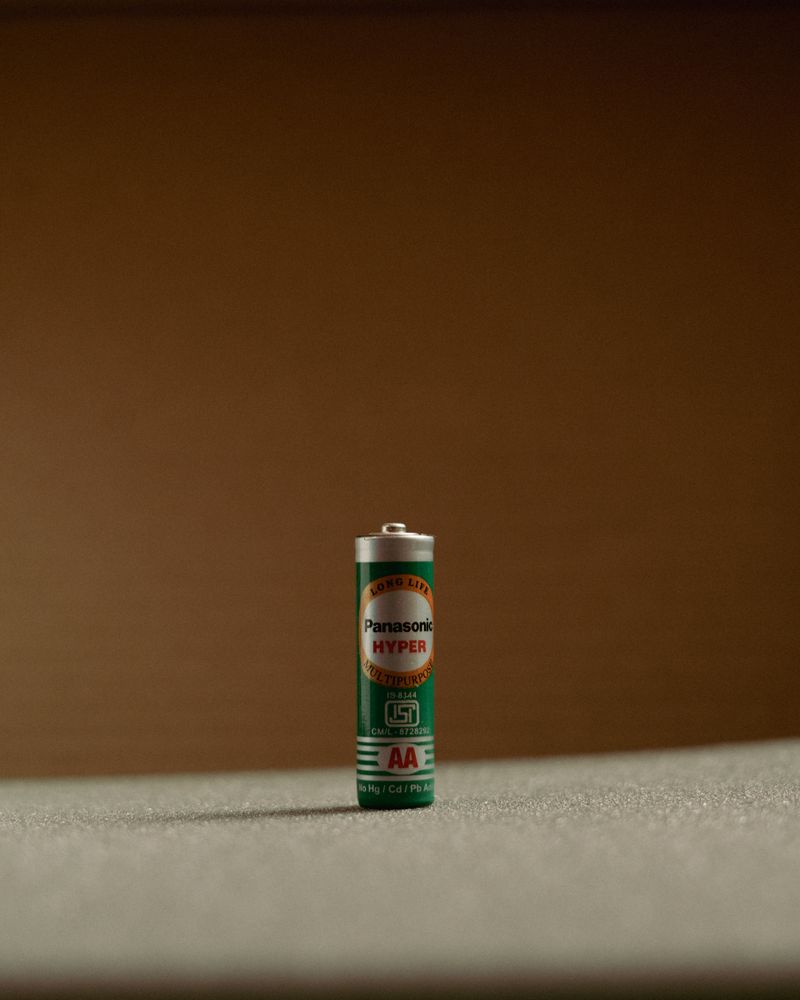
Battery chemistry is having a busy year. In the first half of 2026, Factorial Energy secured a deal to power Karma Automotive's Kaveya super-coupe with quasi-solid-state cells, while researchers at Hong Kong University of Science and Technology unveiled a calcium-ion cell with surprising cycle life. Together the moves show that the lithium-ion status quo finally has credible challengers with factory plans, not just lab slides.
Factorial puts solid-state in a real car
Factorial made news in 2025 by supplying cells for a lightly modified Mercedes EQS sedan that traveled 1,205 kilometers on a single charge. This year the U.S. firm reached a supply agreement with Karma for its Kaveya coupe, moving the technology from demonstration to a named production model. Factorial's FEST (Factorial Electrolyte System Technology) uses a quasi-solid electrolyte that improves safety and energy density over today's liquid designs.
Stellantis, a Factorial partner, previously validated automotive-sized solid-state cells at 375 Wh/kg, a figure well above the roughly 250 to 300 Wh/kg common in current EV packs. Higher density means either longer range or lighter packs, both of which carmakers want. Mass production at cost remains the open question, and Factorial has not published a per-kWh price for the Karma cells.
HKUST's calcium-ion surprise
In February 2026, HKUST researchers reported a calcium-ion full cell built with covalent organic framework (COF) electrolytes. The cell reached a reversible specific capacity of 155.9 mAh per gram at a 0.15 amp discharge rate and kept 74.6 percent of that capacity after 1,000 cycles. Calcium is cheap, abundant, and safer to handle than lithium, which makes it an attractive post-lithium candidate.
The catch is voltage and maturity. Calcium systems still trail lithium on energy density and lack a supply chain. But the HKUST result tackles the old problem of poor reversibility that sank earlier calcium attempts. If the chemistry scales, it could undercut lithium in stationary storage where weight matters less than cost and lifespan.
Sodium-ion and LFP keep climbing
Solid-state grabs headlines, yet lithium iron phosphate (LFP) is quietly gaining ground across more vehicle segments. A 2026 supplier map lists 16 EV makers and the battery firms that feed them, and LFP appears in an expanding share of entry and mid-tier models because it skips nickel and cobalt. Sodium-ion sits one step further out, promising even cheaper raw materials for short-range city cars and grid buffers.
Analysts at Automotive News describe the EV battery industry entering the back half of 2026 in a state of flux. Momentum from years of rapid development meets slower demand growth and tighter margins. Carmakers are hedging by signing with multiple chemistry suppliers rather than betting the fleet on one formula.
Energy storage feels the same pressure
Grid storage follows a similar script. Industry watchers say 2026 brings greater technology diversity, more stable revenue models from frequency and capacity markets, and continued cost declines. Home and utility batteries benefit from the same LFP and upcoming sodium cells that automakers are testing, creating shared supply lines that lower prices for everyone.
The link between cars and grids matters because both pull from the same mineral and cell-making base. A factory that builds LFP for vehicles can often serve storage too, smoothing demand swings. That flexibility is why investors track battery news across both transport and energy.
What to watch next
The second half of 2026 will hinge on whether these chemistries leave the pilot bay. Factorial must show it can build Kaveya cells in volume, HKUST must prove calcium scales beyond coin cells, and sodium-ion must hit the cost targets its backers promise. Lithium-ion will not vanish, but its monopoly on the conversation is ending.
These cells also power the connected world beyond cars. The fleets of sensors and edge devices spreading across factories and cities lean on cheap, long-life storage, a theme we follow in our IoT coverage. For the models that schedule and manage those distributed batteries, see our AI coverage.
The Mercedes test that changed the conversation
The 1,205 kilometer run in a modified EQS mattered because it was a real car on public roads, not a bench cell. Factorial's cells let the sedan skip a recharge across a cross-country style route, a figure legacy packs could not match without a much heavier battery. Stellantis validated the 375 Wh/kg cells in April 2025, a milestone the two firms framed as proof the chemistry could meet automotive size and safety rules rather than just lab specs.
CATL and other Asian suppliers still dominate volume production, and Western solid-state hopefuls face a steep climb to match their scale. Factorial's bet is that premium and performance segments will pay a premium for range and safety while the mass market keeps buying LFP. That split mirrors how the industry already segments phones and laptops by battery chemistry and price.
Recycling and the raw-material question
Every new chemistry restarts an old debate about what happens at end of life. LFP and sodium-ion use materials that are easier to reclaim than cobalt-heavy packs, which helps the case for both in grid storage where units retire in bulk. Calcium, if it scales, would add another abundant option with little geopolitical baggage. Recycling lines built for lithium today will need tweaks, but the direction is toward simpler, cleaner chemistries.
Investors are watching margin as much as mileage. A battery that is 20 percent better but twice the price will lose to a good-enough pack that ships today. The winners in 2026 will be the chemistries that pair a real performance edge with a factory that can hit cost targets at scale.
For primary sources, IEEE Spectrum's report on the Karma solid-state deal is at IEEE Spectrum and HKUST's own release on the calcium-ion work is at HKUST News. This roundup reflects reporting published through July 13, 2026. Capacity and cycle figures are drawn from the institutions named above and may be revised as peer review and production data mature.