CATL Puts A Date On Sodium
CATL chief scientist Wu Kai confirmed in late May that the world's largest battery maker will start large-scale mass production of sodium-ion cells before the end of 2026. The company's 'Naxtra' sodium-ion battery, unveiled earlier this year, is slated for full-scale output by December. That single commitment reframes a chemistry most engineers treated as a backup plan into a frontline contender for both cars and grid storage.
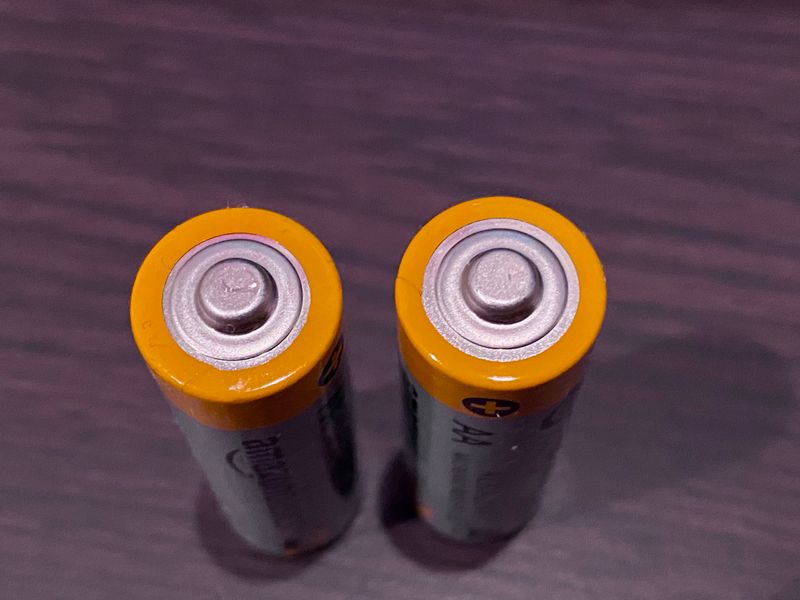
The numbers behind the claim are concrete. CATL says its sodium-ion cells will reach 175 Wh/kg, hold roughly 90 percent of capacity in cold weather, and cost about 30 percent less than equivalent lithium iron phosphate packs. Those figures matter because they attack the two weakest points of today's EVs: price and winter range. A pack that costs less and survives a Finnish February is a different sales proposition than the lithium-ion we've lived with for a decade.
Why Sodium, Why Now
Sodium is abundant and cheap. Lithium is not. As EV volumes climb, the gap between supply and demand for lithium has kept cell prices volatile, and geopolitics around South American and Australian mines adds risk. Sodium sits in seawater and salt flats everywhere, which strips out a whole layer of supply-chain anxiety. Researchers at UC San Diego pushed the chemistry further this spring with an all-solid-state sodium battery built from sodium hydridoborate that performs at room temperature — a trick solid-state lithium still struggles with.
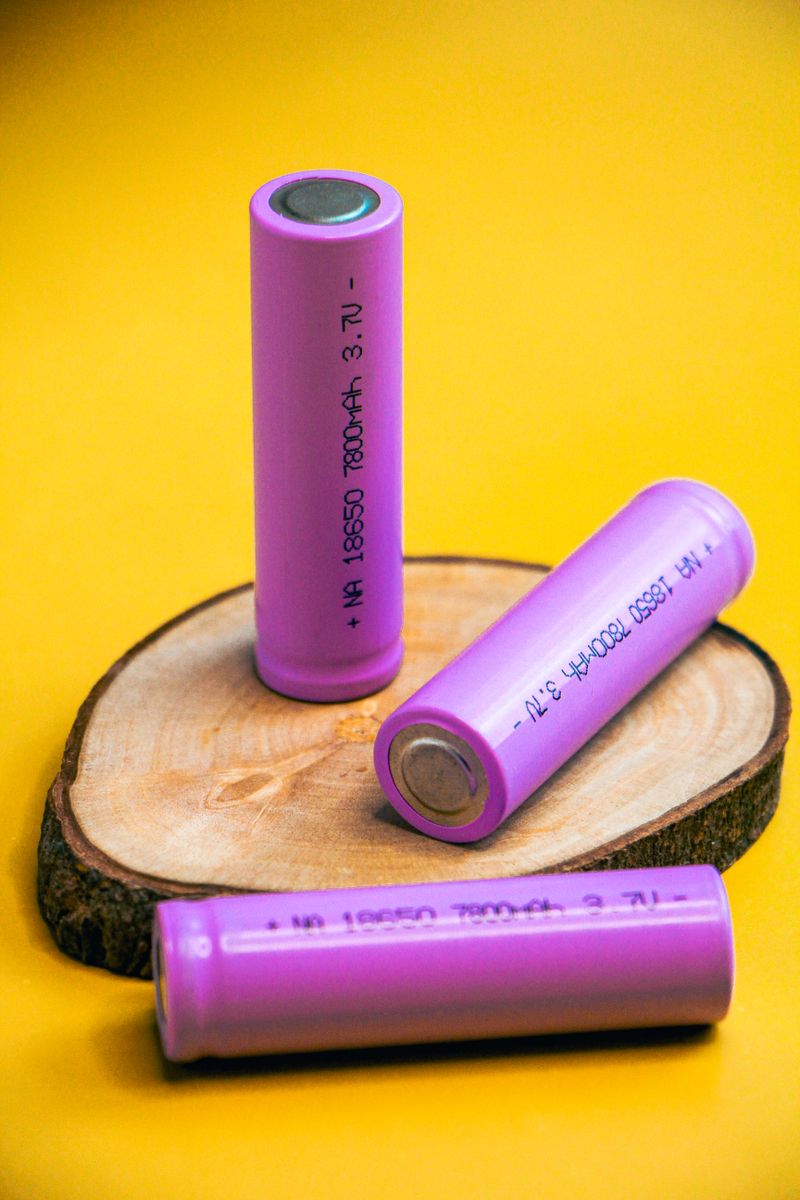
The UCSD team's result is more than a lab curiosity. By rapidly cooling a special form of sodium hydridoborate, they produced a cell that conducts ions at room temperature without the heating elements that usually cripple solid-state designs. That removes a major cost and weight penalty. GM laid out its own reasoning in a June brief, arguing next-generation sodium-ion development will lift energy density high enough to outperform more mature chemistries for stationary storage. Grid operators don't care about weight the way carmakers do; they care about cost per kilowatt-hour and cycle life. Sodium's edge there is real, and GM is betting grid-scale deployment pulls the manufacturing cost down for vehicles too.
The Solid-State Distraction
While rivals chased solid-state lithium, CATL quietly treated sodium as the nearer win. The industry has spent years promising solid-state batteries that never quite arrive, with automakers announcing 'breakthroughs' on a near-monthly cadence. CATL's Wu Kai framed sodium as the chemistry you can actually buy in 2026, not 2030. That pragmatic stance undercuts the solid-state hype without dismissing it — CATL still runs solid-state programs, but it isn't asking customers to wait.
The Department of Energy's battery office describes solid-state as safer because a solid electrolyte removes the flammable liquid separator. That's true, and it's why solid-state still matters. But a safer chemistry you can't mass-produce helps no one this year. Sodium-ion delivers a different kind of safety story: thermal stability and low fire risk at a price point that fits mass-market cars. The two paths aren't enemies; they're on different timelines, and sodium is simply first to the factory floor.
What It Means For Drivers
For buyers, the near-term effect is a cheaper entry-level EV with decent range. CATL has discussed sodium packs supporting around 600 km on a charge in some configurations, and one announced cell targets a 932-mile total system range in a flagship product. Those top figures are marketing ceilings, not typical results, but even conservative versions cut the cost of the most expensive part of an EV.
Fleet operators stand to gain first. Delivery vans and city buses run fixed routes, charge overnight, and prize low upfront cost over maximum range. A 30 percent cheaper pack with stable cold-weather behavior fits that profile precisely. Expect the first wave of sodium-powered commercial vehicles to appear in China and Europe before private cars follow. Ride-hail fleets, which burn through both miles and batteries, are a natural early adopter because total cost per mile beats pack weight.
The Grid Angle
Stationary storage is where sodium may win biggest. Utilities need massive amounts of cheap storage to balance solar and wind, and they don't need lightweight cells. A sodium pack that costs less per kilowatt-hour and cycles daily for a decade changes the math on renewable buildout. Several analysts note that grid demand alone could absorb early sodium production while car volumes scale. A single utility-scale installation can swallow more cells than a thousand cars, which gives manufacturers a steady, weight-insensitive customer from day one.
For a broader view of how storage chemistries compare, see our related coverage in the battery-tech archive. The category collects daily briefings on cell chemistry, grid projects, and manufacturer moves worth tracking. Pair it with the AI archive for the software side of energy optimization.
The Catch
Sodium-ion isn't a clean win yet. Energy density still trails the best lithium packs, so it won't power long-haul trucks or premium sedans soon. Manufacturing at CATL's stated scale is unproven until the lines actually run. And recycling streams for sodium cells don't exist at commercial scale. Each of those is a solvable problem, but none is solved today. BYD, CATL's closest Chinese rival, runs its own sodium program and will pressure costs down once two majors ship, but that competition also means the first mover carries the burden of proving the lines work.
What Comes Next
Watch the final quarter of 2026. If CATL's mass-production lines ship on schedule, sodium-ion moves from conference slide to dealer lot, and the 'solid-state or nothing' narrative loses its grip. BYD and other Chinese makers have their own sodium programs, and competition tends to accelerate price drops once two majors ship. The year that was supposed to belong to solid-state may instead belong to the cheap, abundant element in your salt shaker.
For primary details, read CATL's Naxtra announcement coverage at CarNewsChina and GM's grid-storage brief. The DOE's next-generation battery explainer adds useful context on why solid electrolytes change the safety picture.