IoT Connectivity Consolidation: Two Acquisitions Mark End of Fragmented Infrastructure
Introduction

Cellular monopole towers like this one are the physical backbone of the massive IoT connectivity estate that two major acquisitions announced on October 19, 2026, aim to consolidate.
October 19, 2026 marked an unusual day in the IoT world. While technology observers were still digesting the latest Matter device launches from CES 2026, two substantial acquisitions quietly reshaped the infrastructure layer that keeps billions of devices online. In one corner, CSL Group acquired US-based SIMPL Wireless to strengthen its reach in North America's critical-connectivity markets. In the other, Swiss measurement specialist VEGA bought Akenza to combine industrial sensors with cloud-scale IoT platforms.
The timing is no accident. According to the Trusted Connectivity Alliance, the number of eSIM subscription management platforms supporting the GSMA SGP.32 standard for IoT grew fivefold in the first half of 2026 alone—evidence that the market is finally ready for the kind of scale that corporate consolidation promises.
Main Content
SGP.32 platforms explode fivefold as infrastructure matures
The Trusted Connectivity Alliance's October 2026 market snapshot revealed that SGP.32-compatible eSIM subscription management platforms surged fivefold in H1 2026 compared with the full-year 2025 figure. This metric tracks infrastructure expansion rather than device shipments, indicating that the ecosystem for remote SIM provisioning is finally reaching maturity.
For IoT device manufacturers, managing cellular subscriptions across borders has long been a pain point. Changing connectivity providers after deployment, activating devices post-installation, or coordinating profiles across thousands of units can add months to time-to-market and balloon operational costs. The SGP.32 specification was designed to address these limitations through a remote SIM provisioning architecture optimized for devices with limited processing power and minimal user interaction.
While the fivefold platform growth suggests healthy investment in eSIM infrastructure, analysts caution that the gap between platform availability and actual device deployment remains significant. "More platforms don't automatically mean more devices activated," said a TCA spokesperson. "The next metric to watch is how effectively these platforms translate into commercially deployed IoT solutions."
CSL Group doubles down on North American critical IoT with SIMPL Wireless acquisition
CSL Group, a provider of managed IoT connectivity serving over three million connections in energy, healthcare, infrastructure, utilities and transport, announced its acquisition of SIMPL Wireless to establish a North American foothold. The deal gives CSL access to an established US customer base, Tier-1 carrier relationships with T-Mobile and Thales, and a team focused on critical-connectivity deployments.
"Customers shouldn't have to choose between flexibility and resilience," said CSL CEO Ed Heale. "Bringing SIMPL into CSL Group gives us a home in North America and a platform that lets customers connect anywhere, with the certainty critical applications require."
SIMPL's core offering—EverSIM—provides multi-carrier eSIM capability built on unmodified, GSMA SAS-certified Thales eUICC infrastructure. The solution supports both SGP.22 and the newer SGP.32 standards, with 5G Standalone support and backward compatibility to NB-IoT. A single SKU can source connectivity from up to 100 mobile network operators, with automatic profile fallback when primary networks experience outages. The Compass platform gives customers one dashboard and one API to activate and manage those SIMs alongside any existing carrier SIMs already in the field.
Industry observers note that the acquisition aligns with a broader trend: connectivity providers are consolidating around platforms that can deliver reliability at scale, not just cost savings. "EverSIM compresses deployment timelines from months to days," said Jason Morrow, SIMPL's CEO. "That's the competitive advantage in a maturing IoT market."
Financial terms of the acquisition were not disclosed.
VEGA marries industrial measurement with IoT platform capability
While CSL-SIMPL focused on the connectivity layer, VEGA's purchase of Akenza targets the data pipeline that flows from sensor to business application. The Zurich-based industrial measurement company—known for level, pressure and point-level systems across chemicals, food, beverage, pharmaceuticals and water treatment—adds Akenza's enterprise IoT platform to its portfolio.
The combined offering creates an "end-to-end path from sensor readings to cloud applications," VEGA said in its announcement. This addresses a common challenge in industrial IoT: deployments often span decades and involve equipment from multiple generations, requiring protocol translation, device management and data normalization across heterogeneous systems.
Akenza's platform supports both OPC UA for interoperable industrial data exchange and MQTT for lightweight IoT telemetry—a combination that VEGA says will help plants integrate legacy assets without wholesale replacement. Initial integration work will focus on platform compatibility and expanded market reach, with joint customer presentations expected in Q4 2026.
No new joint products have been announced yet, though VEGA indicated that future roadmaps will prioritize customers seeking "a single source of truth" for operational data across production assets.
What enterprise buyers should actually verify
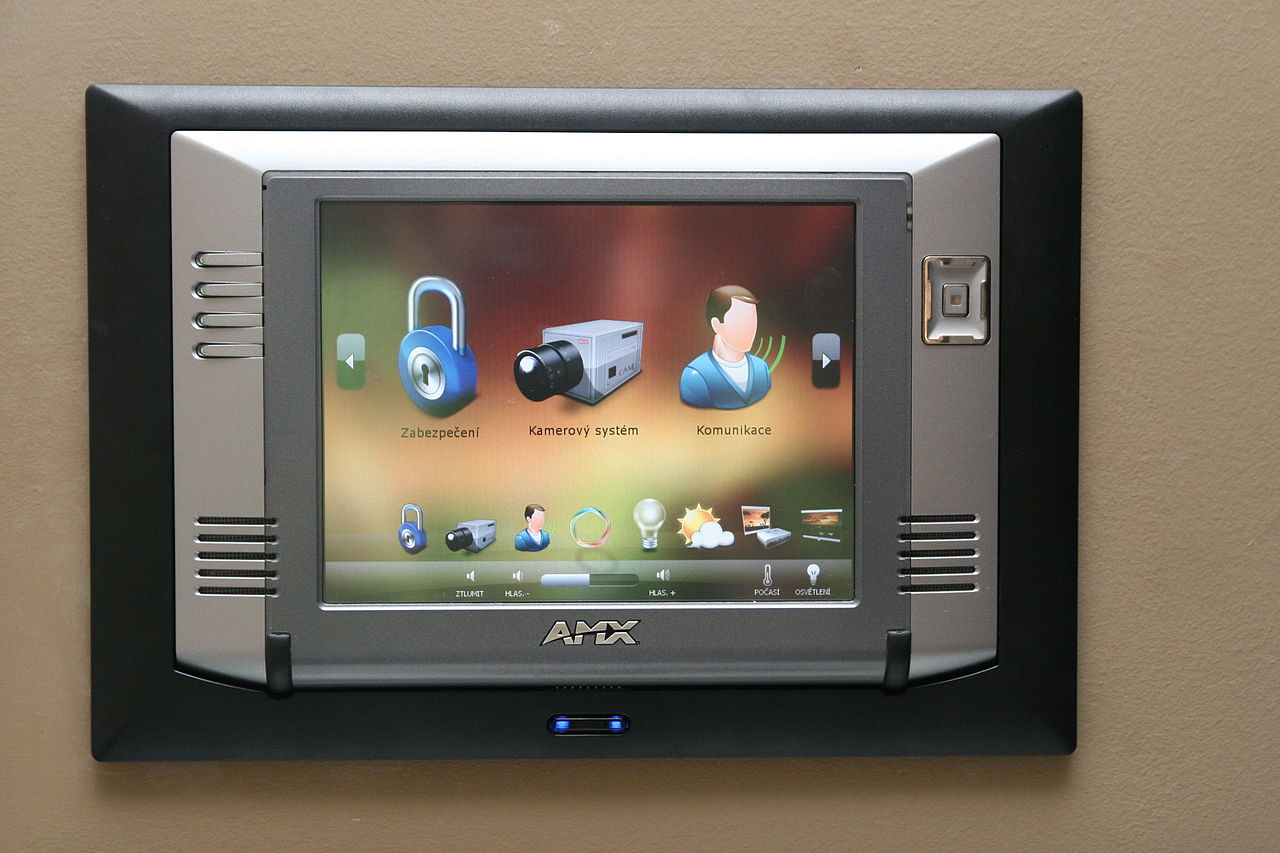
Building automation panels like the one shown here are exactly the kind of mixed-generation estate that technology-agnostic IoT platforms are meant to pull together.
The VEGA-Akenza deal comes with a useful caution attached: buyers should separate strategic direction from capability that is commercially available today. Akenza is expected to keep operating independently at first, maintaining its own customer relationships while its platform is gradually folded into VEGA's portfolio. That staged approach limits disruption, but it also leaves roadmaps, support arrangements and integration choices as open questions for now.
The same applies on the connectivity side. SIMPL's pitch is speed, simplicity and control; the resilience claim rests on a combination of CSL's patented rSIM multi-network approach and the newly acquired Thales-based eSIM platform. Neither capability is the same as a guaranteed service level on a specific network in a specific country, and the decision not to disclose financial terms leaves pricing structure and integration cost unresolved for now.
The competitive backdrop is well established. Industrial buyers already navigate ecosystems such as Siemens MindSphere and PTC ThingWorx, alongside cloud platforms, specialist IoT vendors and in-house integration stacks. On the connectivity side, multi-network eSIM can already be bought from carriers and independent MVNOs. Consolidation changes the shape of the market more than it changes the buying checklist.
Conclusion
The simultaneous timing of both deals suggests a market inflection point. IoT projects that once relied on best-of-breed point solutions are increasingly gravitating toward integrated stacks that reduce vendor complexity. In CSL's case, the move reflects growing demand for "resilient IoT estates" that can maintain connectivity even when individual networks fail. For VEGA, the Akenza acquisition addresses what the company calls the "unavoidable handoffs" between field sensors, connectivity networks and enterprise applications.
The convergence extends beyond Europe and North America. Recent releases from Telit Cinterion and Nokia signaled similar consolidation plays, while smaller players like Teltonika and Particle are bundling connectivity with device management platforms. The common thread: customers want fewer bills, fewer support tickets, and fewer integration headaches when scaling from hundreds to thousands of devices.
For enterprises evaluating IoT connectivity strategies today, the question isn't whether consolidation is happening—it's whether they'll be ready when the next wave of standards, devices and security protocols arrives. The answer may increasingly depend on suppliers that can deliver both the infrastructure scale that today's acquisitions promise, and the operational continuity that tomorrow's devices will demand. See more on IoT category.