Indonesia's Electric Motorcycle Bet: Industry Backs a Two-Wheeler-First Path to Clean Mobility
Jakarta is betting that the fastest road to clean transport runs on two wheels. The government is accelerating a plan to phase out gasoline-powered motorcycles for the domestic market, and the country's electric-two-wheeler makers are lining up behind it.
Industry Minister Agus Gumiwang Kartasasmita unveiled the approach in April, prioritizing electric motorcycles for Indonesian buyers while letting conventional models keep serving export markets. The logic is straightforward: Indonesia sells more than 6.5 million new motorcycles a year, one of the largest two-wheeler markets on the planet. Electrifying that fleet could cut fuel imports and city smoke faster than waiting for car buyers to switch.
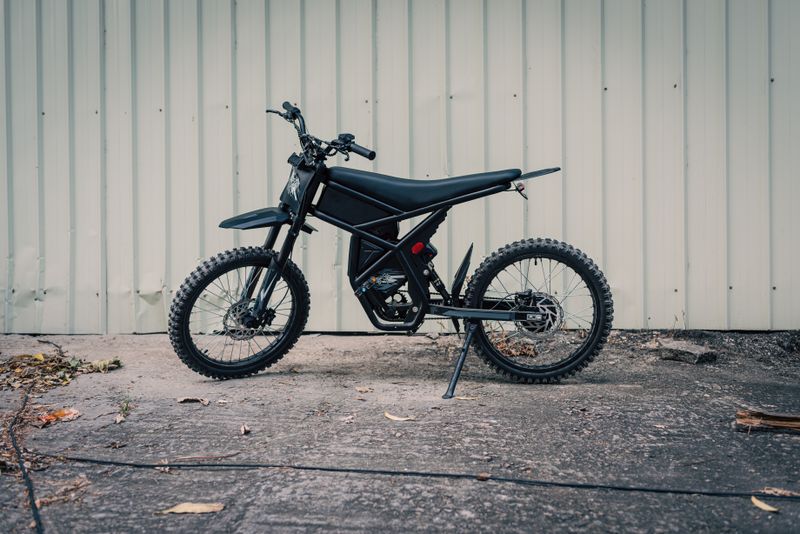
A conversion plan built for the world's biggest two-wheeler market
The proposal isn't a sudden ban. It's a staged shift that protects Indonesia's role as a major motorcycle exporter. Conventional bikes would still roll out to overseas customers; the electric mandate would apply to machines meant for local roads.
That balance matters. Indonesia shipped millions of gasoline motorcycles abroad in 2025, and local assemblers don't want to lose that business while the domestic EV supply chain matures. By keeping exports on gasoline and pushing homes toward batteries, the ministry hopes to build a local industry without bruising the trade balance.
ALVA, one of the country's leading electric motorcycle makers, welcomed the direction. "We see this as part of a broader effort to strengthen domestic adoption and accelerate the transition to sustainable mobility," CEO Purbaja Pantja told The Jakarta Globe in April.
Industry leaders line up behind the policy
ALVA isn't just talking. Its smart factory in Cikarang, certified under the government's INDI 4.0 program, can build up to 100,000 units a year. The company's CERVO model has already secured European homologation, opening a path to ship Indonesian-built EVs abroad.
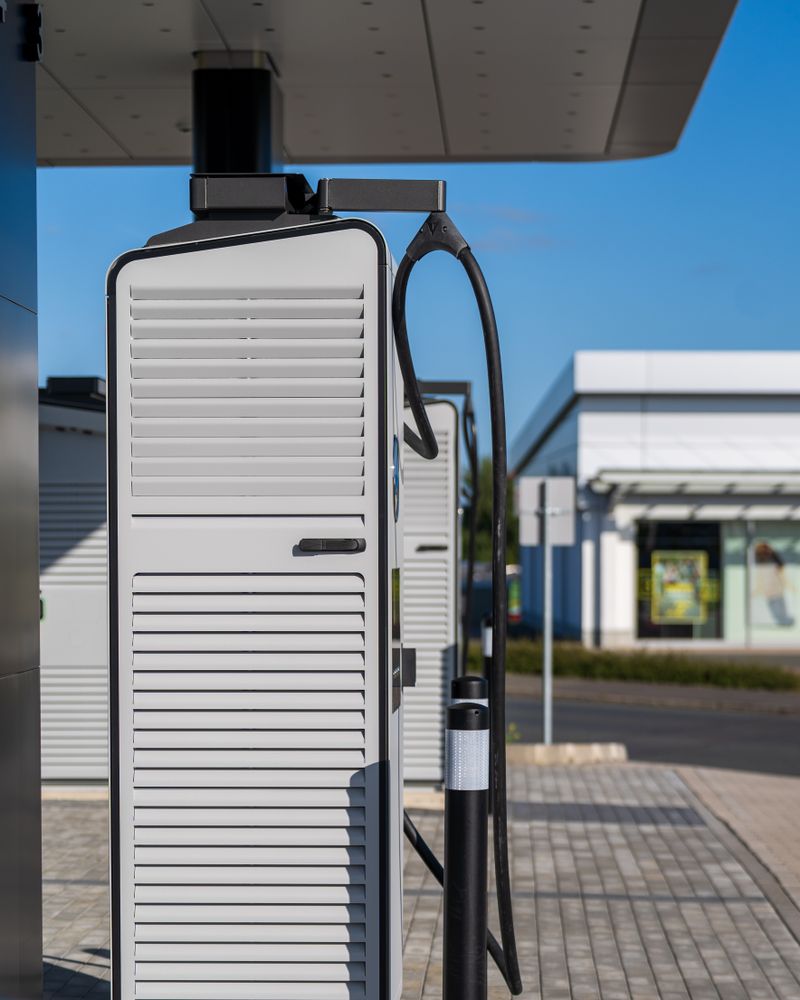
Charging is where ALVA says the race will be won or lost. The firm has installed more than 220 charging connectors across 110 locations in Java, Bali, and Kalimantan, backed by over 130 after-sales service points in 39 cities. "Consumers today are increasingly rational," Purbaja said. "They consider charging convenience, after-sales service, and total cost of ownership, as well as safety and comfort."
The Indonesian Electric Motorcycle Industry Association (AISMOLI) also backs the push. Chairman Budi Setiyadi told The Jakarta Globe his group strongly supports reinforcing the domestic EV market. "A strong local market is essential to building a sustainable industry—from scaling up production and advancing technology to creating jobs," he said. He cautioned that a flexible approach works best, with exports kept open as a long-term growth channel.
Chargers, subsidies, and the Q3 push
Sales tell a more complicated story. Electric motorcycle registrations fell 28.6% in 2025 to 55,059 units, down from 77,078 in 2024, a drop the industry links to uncertainty over government subsidies. Buyers held back when they weren't sure the discount would still be there.
The state is now moving to steady that hand. In June, Jakarta set aside $84.6 million (about Rp 1.5 trillion) for an electric-stove and e-motorcycle conversion program aimed at cutting fuel imports. The Cabinet Secretariat says the conversion track is being sped up as cheaper technology brings retrofit costs down to roughly Rp 5–6 million per unit.
A fresh stimulus is coming in the third quarter. Antara reported in July that the government will again offer a Rp 7 million subsidy per unit for electric motorcycle purchases, a return of support that makers hope will pull demand back above 2024's level. Entry-level electric models already start near Rp 15.5 million, and battery-leasing schemes lower the upfront hit.
"Consistent incentives and regulatory certainty will be key catalysts for drawing larger investments across the industry," Purbaja said. AISMOLI and ALVA both point to three pillars for closing the gap with gasoline bikes: affordable products, reliable infrastructure, and steady public education.
The global numbers: 20 million EVs and a two-wheeler surge
Indonesia's two-wheeler push lands in a market that's anything but quiet. The International Energy Agency's Global EV Outlook 2026 reports that electric car sales topped 20 million worldwide in 2025, up 20% from 2024, with one in four new cars now electric. Battery-electric models made up 65% of those sales. The shift is already displacing about 1.2 million barrels of oil a day.
Two- and three-wheelers tell their own story. The IEA tracks electric two-wheelers as a separate, fast-growing segment, and in much of Asia they make up the bulk of EVs in daily use. For a country like Indonesia, where motorcycles outnumber cars by a wide margin, that segment is the short game.
China's BYD shows how fast the big players are moving. Reuters reported on July 2 that BYD sold 557,090 battery-electric vehicles globally in the second quarter of 2026, while Tesla's China-made sales rose 24.4% year on year in June. The contest at the top sharpens the case for every market to secure its own EV supply chain—batteries, motors, and the bikes that carry them.
What could slow the rollout
The headwinds are real. Subsidy stops and starts spooked buyers in 2025, and charging coverage outside Java and Bali remains thin. Retrofitting 120 million existing gasoline motorcycles to electric, a goal the government has floated, looks a long way off given infrastructure gaps and the grid's continued reliance on coal.
Purbaja's own line sums up the mood: "With strong policy momentum and improving industry readiness, we believe the transition toward electric vehicle dominance is only a matter of time." The open question for Jakarta is how much time, and whether the incentives arrive fast enough to keep buyers from defaulting back to gasoline.
Read our earlier report on Indonesia's wider $121B battery push, and follow related analysis in our Battery Tech and EV sections.