Indonesia Puts Its EV Bet on the Table With a $121B Battery Push
Indonesia is moving to convert its commanding grip on the raw materials of the energy transition into actual factories. The government now targets roughly US$121 billion in electric-vehicle battery investment through the end of the decade, a figure that signals how seriously Jakarta treats the shift from commodity exports toward value-added clean-tech manufacturing. The number is not a single signed contract but a planning ambition, and the gap between the two is where the real work lies. For a country that has long exported ore and imported finished goods, the battery target is a statement of intent as much as a policy.
The ambition has physical roots already in the ground. The country hosts the first battery cell plant built for electric vehicles in Southeast Asia, a joint facility from Hyundai Motor Group and LG Energy Solution that began output in 2024. Chinese maker BYD has confirmed it will assemble EVs on Indonesian soil starting in 2026. And the state is preparing consumer incentives, announced for rollout in early June 2026, designed to pull demand forward and trim the country's fuel-import bill. Together these moves sketch a vertical chain from mine to motor, the kind of integration that has lifted other late-industrializers into the global manufacturing tier.
Why batteries, and why now
Indonesia sits on the largest known reserves of nickel laterite in the world, the metal at the heart of the lithium-nickel-manganese-cobalt chemistries and the newer lithium-iron-phosphate packs racing through the market. For years that ore left the country as cheap slurry and returned as finished cells at a steep markup. The $121 billion target is the policy answer: keep more of the refining and cell-making at home, capture the jobs and the margins, and build a domestic industry rather than a quarry with aspirations. The economics are not abstract; every ton of ore processed locally rather than exported raw is value retained.
Officials frame the push as both industrial policy and energy security. A domestic cell supply cushions local assemblers from the price swings of imported packs, and a larger home market gives Indonesian brands a reason to scale production. The logic is straightforward. Control the material, control the cell, and you control a larger slice of the vehicle's value. That logic is why the battery target sits at the top of the industrial agenda rather than in a footnote.
The local two-wheeler angle
Most Indonesian buyers meet electrification on two wheels, not four. Scooters and small motorcycles dominate the roads, and that is where the earliest commercial wins are landing. Brands like ALVA are building electric models aimed at city riders, and the same battery supply chain underpinning cars directly feeds smaller vehicles. For a nation where the daily commute is a scooter trip, two-wheel electrification is the mass market, and the volume there dwarfs the passenger-car segment by a wide margin.
For owners interested in performance, the controller is where the experience is won or lost. Swapping a stock controller for a programmable unit from makers such as Fardriver or Votol changes throttle response, regen behavior, and thermal management. Indonesian owner communities have turned this into an active tuning culture, with workshops such as Emobi Garage fielding real-world builds that squeeze more range and punch from the same pack. The point is practical: a national battery industry lowers the cost of the cells that make those conversions attractive to ordinary riders, and a thriving tuning scene is its own signal of a healthy enthusiast base.
The risks beneath the headline
A $121 billion target is a planning number, not a signed contract. Cell manufacturing is capital-heavy and power-hungry, and Indonesia's grid still leans on coal. Critics note that without a clean power build-out, electric vehicles charged on coal-fired electrons carry a smaller climate benefit than the marketing suggests, and the country risks trading one import dependency for another. The green label on the vehicle depends on the color of the kilowatt that charged it, and that color is not yet settled.
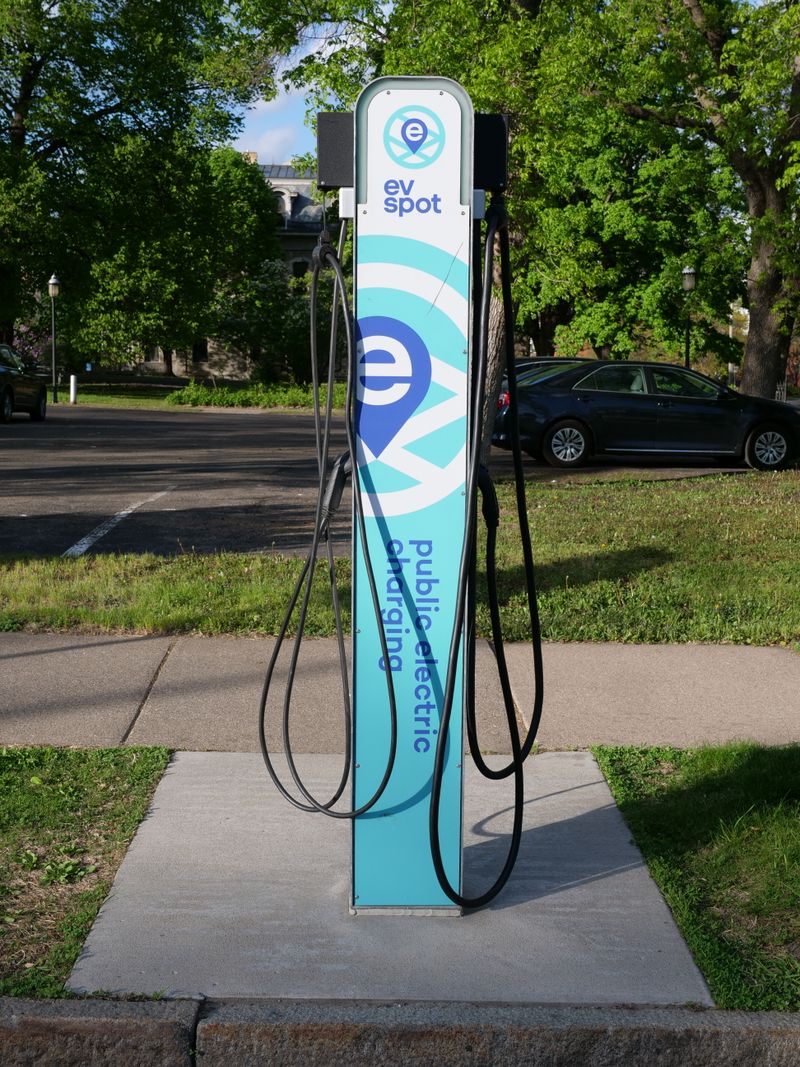
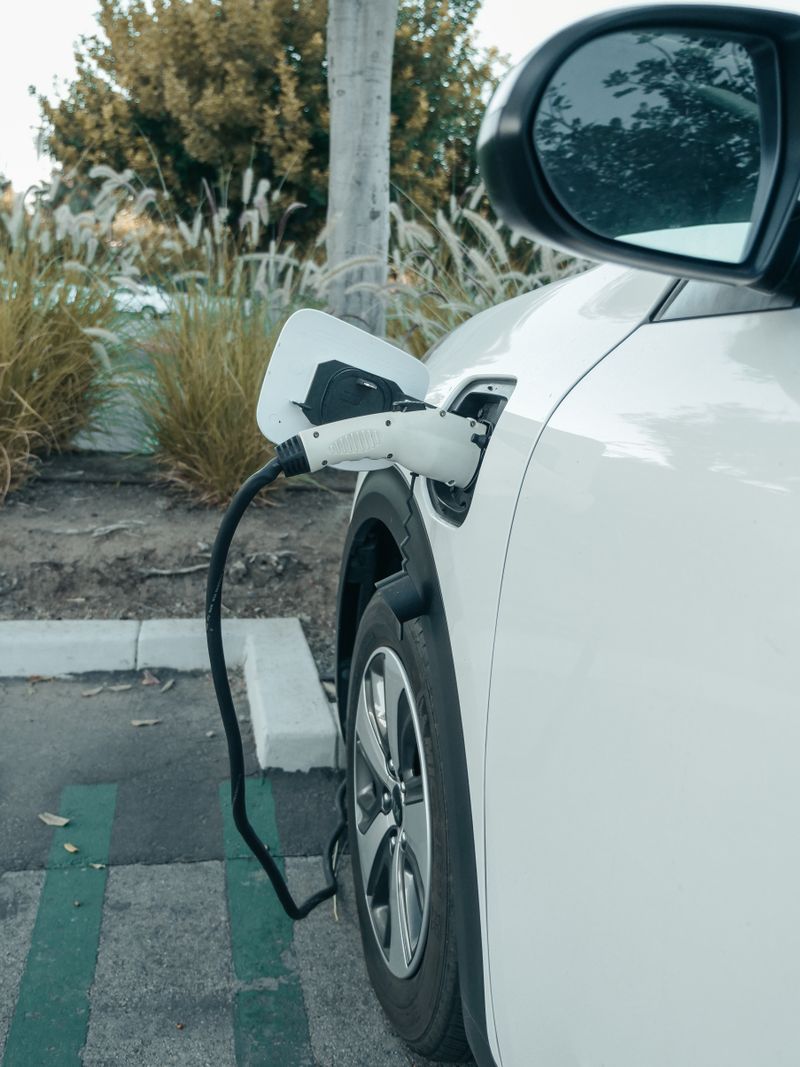
There is also the demand question. Incentives help, but take-up depends on charging access outside Jakarta and on financing that reaches ordinary riders rather than fleet buyers. The Hyundai-LG plant proved the factory can be built; the harder test is whether a broad base of buyers shows up to buy what it makes, and whether the charging network keeps pace with the showrooms. Infrastructure and demand have to arrive together, or the capacity sits idle.
What to watch over the next year
Three signals will tell the story. First, how much of the $121 billion converts into ground-breaking ceremonies and operating fabs rather than announcements. Second, whether BYD's 2026 local assembly hits real volume or stays symbolic. Third, whether charging spreads beyond the capital to the tier-two cities where most kilometers are actually driven. Each is measurable, and each will be visible long before the decade is out.
The bet is large, the resources are real, and the timing is deliberate, landing as the world adds battery capacity faster than almost any other manufactured good. Whether the factories and the buyers arrive together is the question the next eighteen months will answer, and it will decide whether Indonesia becomes a genuine node in the global EV supply chain or a supplier of inputs to someone else's factories. Related coverage tracks the battery cell side in our Battery Tech section and the broader tech sweep in AI.
Where the supply chain goes next
The battery story does not end at the cell. Indonesia's bet only pays off if refining, cathode making, and recycling follow the mine and the plant. Several foreign-backed smelters have already risen on the backs of nickel export rules designed to force exactly that downstream move. The risk is a middle layer of processing that stays abroad while Indonesia owns the dirtiest step. A true industry means owning the chemistry, not just the ore.
Neighboring markets are watching. A working Indonesian template, cheap cells feeding cheap local EVs, is the model every Southeast Asian capital wants for its own mobility transition. If Jakarta gets the incentives and the grid right, the region's two-wheel electrification could leapfrog the car-first path that locked in gasoline dependence elsewhere. That is the long prize behind the $121 billion number.
The regional ripple effect
If the Indonesian template works, the spillover reaches far beyond Jakarta. Cheap domestic cells feeding cheap local EVs is the model every Southeast Asian capital wants for its own mobility shift, and a two-wheel-first path could let the region skip the car-centric gasoline dependence that locked in emissions elsewhere. The $121 billion is, in that sense, a down payment on a regional standard, not just a national industry, and the neighbors are taking notes.
The financing will be the true test. Smelters and cell plants need years of patient capital before they return a cent, and the state's ability to hold that line through a commodity-price dip is what separates a real industrial policy from a headline. Indonesia has shown it can set the rules; whether it can fund the build through the lean years is the open question that will define the decade.