A wave of invention is reshaping how the world throws batteries away. Patent filings tied to battery recycling and reuse grew 42% a year between 2017 and 2023, according to a study the European Patent Office (EPO) and the International Energy Agency (IEA) published this week. That pace crushes the 16% annual growth recorded for rechargeable-battery manufacturing as a whole, and it dwarfs the 2% rate for all technical fields combined.
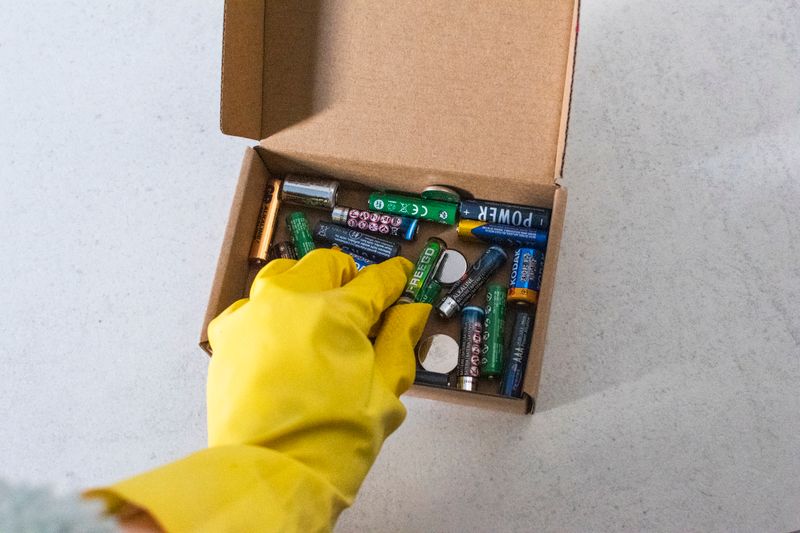
The numbers land as carmakers and grid operators pour lithium-ion cells into vehicles and storage cabinets by the gigawatt-hour. More than one in four cars sold worldwide in 2025 was an electric vehicle, and each one leans on lithium-ion or another modern chemistry. Those packs are heavy, expensive, and packed with cobalt, nickel, lithium, and manganese that someone had to dig out of the ground.
The report frames recycling not as a cleanup chore but as a second mine — one sitting in junkyards and garages. "Accelerating innovation in recycling and reuse can ease pressure on critical mineral supply chains, reduce environmental impacts and create new economic opportunities," IEA Executive Director Fatih Birol said in the release.
The end-of-life wave is already on the calendar
Today's supply chains for battery minerals are tight and lopsided. The EPO-IEA study points out that roughly 1.2 million EV battery packs could hit the end of their lives in 2030. By 2040 that figure climbs to about 14 million. Those packs won't vanish; they'll need sorting, shredding, and chemical recovery, or a second life in less demanding jobs such as home storage.
Rules are pushing the work upstream. Legislation in Europe and China now makes the companies that build and sell batteries responsible for them once they're spent. That shift turns recycling from a voluntary nice-to-have into a legal obligation, and it explains part of the patent sprint.
The study draws on the EPO's patent databases and IEA analysis to map where the invention is happening, who is filing, and which technologies are winning attention. Energy storage of every kind now makes up close to 40% of all energy-related patenting, and circularity research is climbing even faster than battery work in general.
Asia files the most, and China's Brunp overtakes the old guard
Asia accounted for 63% of international patent families in battery circularity in 2023. Until 2019 the leaders were Japanese and Korean names — Toyota, LG, and Sumitomo topped the list. Then a Chinese recycler, Brunp, blew past them. Brunp's rise lifted China's share of these patent families from 5% in 2013 to 29% in 2023.
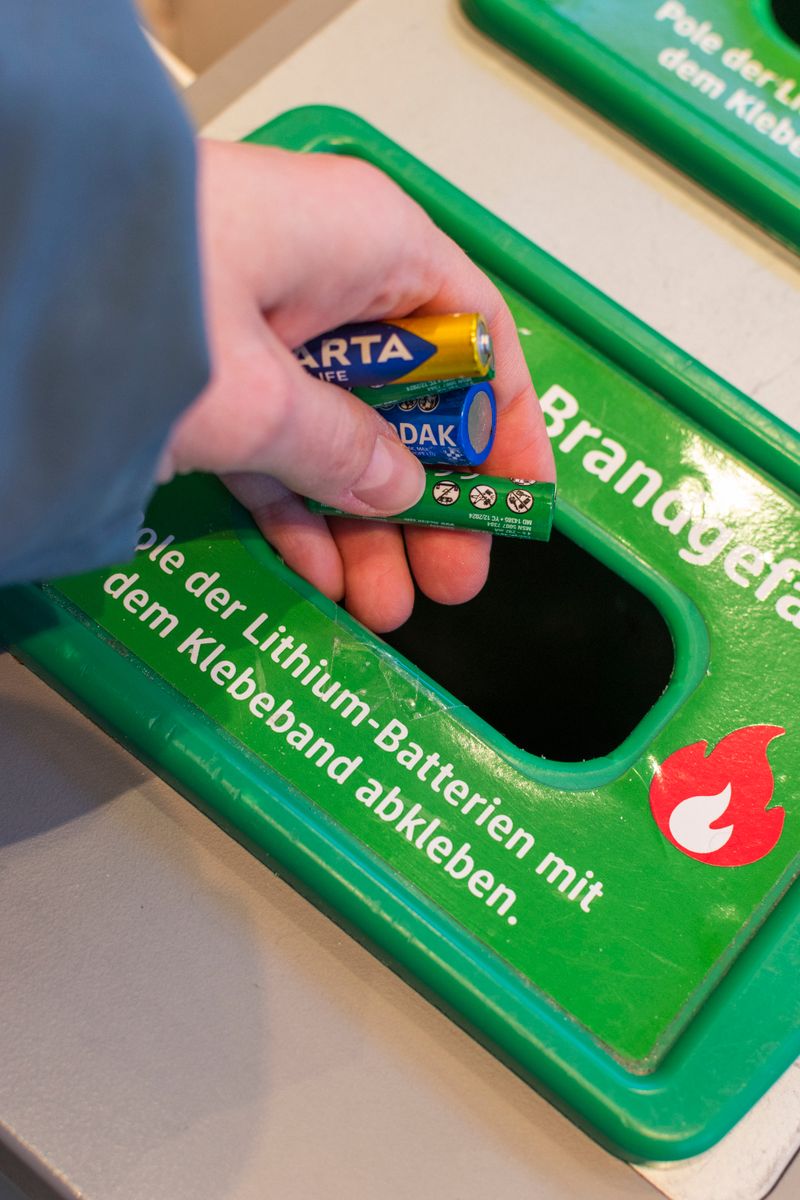
Chinese applicants are also starting to file outside China, a sign they're chasing a global market rather than only a domestic one. That tracks with China's grip on other parts of the battery chain, from refining to cell assembly. For a deeper look at the chemistry race, see our battery-tech category at battery-tech coverage and the EV side of the same story at EV coverage.
Europe bets on collection and chemistry
European companies and research institutes hold about 20% of the circularity patent families. Their strength shows up in two spots: gathering used batteries and chemically transforming them back into raw materials for new cells. That focus fits Europe's role today more as a battery user than a battery maker.
"Accelerating innovation in recycling and reuse can ease pressure on critical mineral supply chains," Birol said. EPO President António Campinos was blunter about Europe's edge: regions that pair strong industry, supportive policy, and access to feedstock will lead the circular battery economy. He argued Europe already brings those pieces together.
The report arrives with new tools. The EPO added a battery-circularity section to its clean-energy platform and refreshed its Deep Tech Finder with profiles of nearly 60 European startups and universities that have filed in the field since 2006.
Two ways to crack a dead pack
Most recovery today runs down one of two paths. Pyrometallurgy burns packs at high heat to recover metals such as cobalt and nickel, but it can lose lithium up the stack. Hydrometallurgy leaches metals out with solvents, a route that tends to keep more material in play and draws less energy. The patent data shows both camps racing, plus a third track — direct recycling that pulls intact cathode material back into new cells without breaking it down first.
Direct recycling is the harder bet. It demands clean sorting and gentle handling, yet it promises the smallest footprint if it scales. Startups and incumbent recyclers are staking claims across all three methods, and the 42% annual patent growth suggests none of them is settled.
Why recycling beats fresh digging
Mining new lithium, cobalt, and nickel carries real costs — water use, tailings, and supply routes that run through a handful of countries. Pulling those metals back out of dead packs trims that footprint and buffers prices when a single region tightens exports. For grid storage, which our cloud and edge computing coverage tracks at cloud and edge computing coverage, recycled material also means steadier supply as deployments scale. Indonesia's $121B push to build a domestic EV battery chain shows how seriously governments now treat secured supply — see Indonesia's EV battery bet.
Reuse adds a second lane. A pack retired from a car at 70–80% capacity still has years left in a solar shed or a backup cabinet. Sorting which packs get shredded and which get a second job is now a business in itself, and the filings show startups and incumbents racing to claim it.
The feedstock bottleneck
The study stops short of naming winners, but the direction is clear. Patent growth this steep signals money and talent flowing toward recovery, and policy in two huge markets is forcing the issue. The pinch point will be feedstock: recycling only scales when spent packs actually reach processors instead of sitting in drawers and sheds.
That gap is where collection patents matter. Europe's edge in gathering used batteries is no accident — getting packs back is the first step before any chemistry can recover the metals inside.
The road ahead
The warning from the IEA and EPO is concrete. The first big tide of EV batteries reaches retirement around 2030, and the pile grows fast after that. The inventions to handle it are being filed today, and the law in Europe and China already treats spent packs as a maker's problem, not a taxpayer's.
For readers tracking the broader energy build-out, the same forces show up in our EV coverage at EV coverage and in storage-adjacent reporting under cloud and edge computing coverage. Battery circularity is no longer a side quest; it's becoming the hinge between clean transport and secure supply. A look at how cell chemistries stack up explains what's actually inside the packs now headed for recycling — see Lithium NMC vs LFP vs sodium-ion.
Read the full report, "Battery circularity: Innovation trends for a future source of critical materials," via the IEA release at https://www.iea.org/news/battery-recycling-innovation-surging-as-countries-seek-to-strengthen-critical-mineral-supply-and-energy-security and the EPO clean-energy platform at https://link.epo.org/web/business/technology-insight-reports/en-battery-circularity.pdf.