Apple set a smart home launch event for New York on October 13th, and the invitation carries two words: "Welcome home." That's the pitch. A display-equipped hub, a refreshed HomePod mini, a new Apple TV, and a stack of hardware from companies Apple doesn't own.
The event matters because it's the first real test of a strategy Apple has been assembling quietly for over a year: a middle tier of devices that sit between Apple's own hardware and generic Matter products. Jay Peters reported for The Verge on October 8th that the event runs at 9AM ET in New York, and that the lineup leans hard on outside manufacturers.
The stakes are plain. Apple's Home app runs on a protocol stack Apple helped write, yet the company has never controlled the full hardware catalog. Google and Amazon closed that gap with cheap first-party gear and a walled-off assistant layer. If the second-party tier works, Apple closes the same gap without having to build a doorbell camera it has no interest in manufacturing.
What "second-party" actually means
The label came out of Apple's leak-tracking circles, and it's an awkward one. Jennifer Pattison Tuohy used it in The Verge to describe devices from manufacturers who build exclusively for Apple Home, with extra features that plain Matter certification never asks for.
LG went first. FCC filings earlier this year showed the Korean conglomerate testing a video doorbell, a thermostat, and an indoor camera built to Apple's specification rather than its own webOS smart home stack. Renders that leaked on October 7th added a deadbolt lock and a separate temperature sensor.
Then Schneider Electric surfaced. Leaker itspdfu posted evidence on October 8th that the French industrial group is developing an Apple-specific smart thermostat and temperature sensor. The timing reads as deliberate, given Schneider's takeover bid for Shelly, the Bulgarian maker of Matter relays and switches. Schneider also sits inside the Connectivity Standards Alliance and helped draft Matter, so the company knows the protocol from the inside rather than from a datasheet.
The differentiator, according to the leaks, is pairing. These devices reportedly support NFC tap-to-pair while unpowered, plus custom setup animations rendered inside the Home app. That sounds small. It's also the thing that makes a device feel designed for one house instead of certified against a checklist.

Matter is the floor, not the ceiling
Here's the detail most leak coverage skips. Second-party hardware still has to clear Matter certification. Apple isn't discarding the standard or forking it. It's building a premium shelf directly above it.
That split has consequences for every buyer in the market. A Matter thermostat from any vendor talks to Apple Home, Google Home, Alexa, and SmartThings. A second-party Apple thermostat keeps its extra features on Apple Home only. People who want cross-platform freedom keep buying Matter. People who want the cleanest pairing experience buy into Apple.
It's not obvious this tier survives contact with reality. Manufacturers have a clear incentive to ship Matter-only products that work everywhere, and building Apple-exclusive features shrinks the addressable market on purpose. Schneider can absorb that tradeoff because it sells industrial gear by the railcar. A startup cannot, and a startup is who usually drives consumer hardware prices down.
The protocol keeps moving without Apple's help. Matter 1.4 brought camera and media device support to the spec, and the standards body has flagged energy management as the next target, which would let thermostats and chargers negotiate with the grid rather than only with each other. Apple isn't authoring any of that. Apple is pricing on top of it.
The Siri delay is why this is late
Apple wanted this launch a year earlier. According to The Verge's reporting on the setback, the hub slipped because the AI-powered Siri rewrite wasn't finished. Siri AI shipped in September carrying a beta tag.
So the live question on October 13th is whether a screen-bearing hub paired with a beta assistant feels like a finished product at whatever price Apple prints. A HomePod mini refresh is the easier win in the lineup. It costs less, it's an incremental update, and it doesn't need new intelligence to do its job.
There's a naming angle too. MacRumors reported that a shell company called Home Services LLC filed for a "HomeView" trademark in the US and several other countries last year. Apple has confirmed nothing. If the name shows up on Tuesday, it likely describes a software layer rather than a piece of hardware.
What buyers should watch Tuesday
Start with the price. Amazon's Echo Show 8 has held roughly the $150 line across two generations, and Google's Nest Hub line sells cheaper still. A hub priced above $250 asks buyers to pay a platform premium on day one, and platform premiums have a poor record in this category.
Then check recording. Matter cameras can route footage through HomeKit Secure Video, which processes video on a local hub instead of in someone else's data center. If the LG doorbell ships cloud-only recording, the second-party tier is about lock-in rather than privacy, and buyers should say so with their wallets.
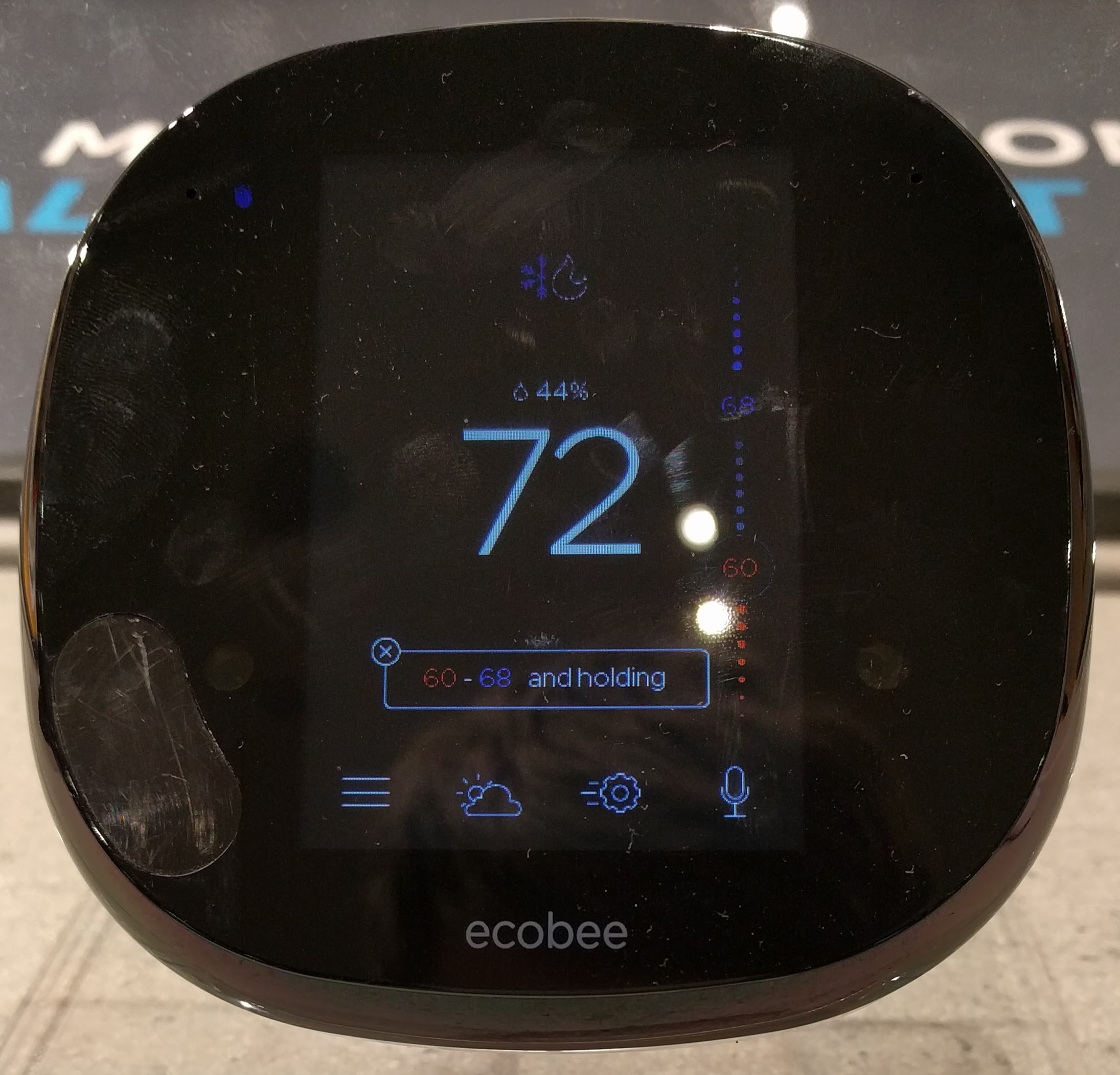
Finally, watch HVAC compatibility. A thermostat that can't drive common wiring configurations is a paperweight no matter how nice the pairing animation looks.
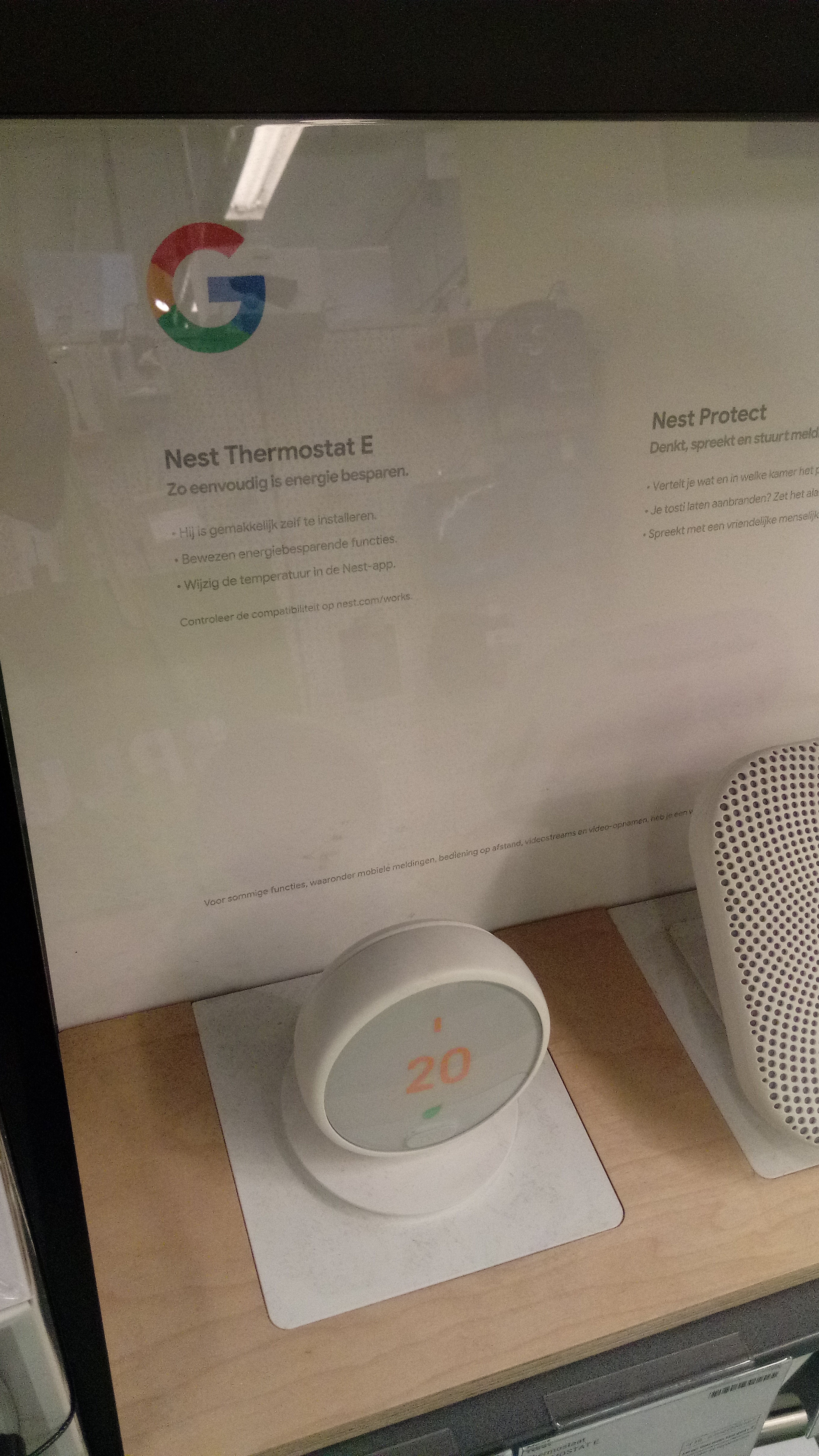
Nest's own history is the cautionary note for anyone building Apple-only hardware now. Google bought Nest in 2014, killed the Works with Nest API in 2019, and spent the next several years arguing that Matter made up for the loss. Manufacturers betting on a single platform's extra features are asking customers to accept the same trade Google once asked of them: that the platform outlives the product on the wall.
More on smart home hardware, protocol changes, and connected-device rollout is in our IoT coverage, and earlier reporting sits in the archive.
Apple's event starts at 9AM Eastern on Tuesday. The hub either gets a ship date within weeks or a "later this year" line, and which one Apple chooses will tell buyers more about the second-party strategy than any leak has managed to.