Apple is preparing its biggest move yet into the smart home. Reporting rolled up by 9to5Mac on August 15 lays out a product roadmap that runs from refreshed HomePod mini and Apple TV 4K units this fall to a wall-mountable display hub, a full-size HomePod update, and the company's first home security camera and doorbell. Digital Trends carried the same outline for readers who follow the category, confirming the broad shape of what Apple has in the pipeline.
That is a much bigger footprint than the one Apple occupies today. Right now the company sells two home devices that matter: the HomePod mini and the Apple TV 4K. Both are four to six years old in their current form. Amazon and Google, by contrast, have spent that whole stretch shipping speakers, displays, and cameras at every price point. Apple's home lineup has felt like an afterthought for most of that time, and the hardware itself is showing its age.
The refresh that arrives first
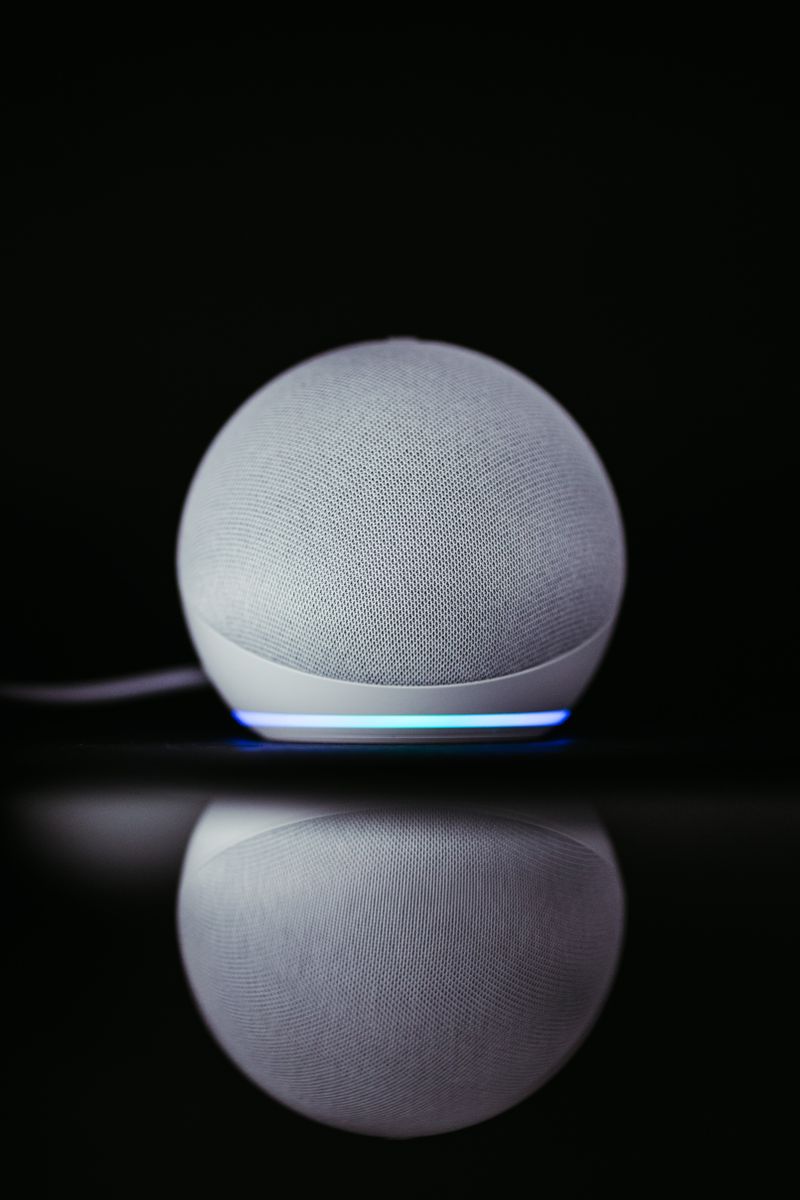
The first wave should land this fall. The HomePod mini is tipped to trade its S5 chip for the S9, gain a new wireless chip, and pick up a few new color options alongside some audio improvements. The bigger change is software: Siri AI support, which would make the small speaker a genuinely more useful assistant. Apple's current mini sells for $129, and the reporting suggests that price will hold for the new model.
The Apple TV 4K follows the same pattern. Reports point to a jump from the A15 Bionic to the A17 Pro, which brings the set-top box up to spec for Siri AI and lets some Apple Intelligence features run locally on the hardware itself. A redesigned remote is also said to be in the works after years of complaints about the current one. The box starts at $199, the price Apple introduced with its June increases.
Neither update is a radical change on paper. But both matter for one reason: they give Siri AI a device to live in. The assistant upgrade has been the missing piece for Apple's home plans, and these refreshes are the first products designed around it.
The HomePad hub changes the shape of the lineup
The most interesting product is one Apple has never shipped before: a smart home hub with a screen. It is expected to arrive between October and early next year, with two variants under consideration. One hangs on the wall using a magnetic mount. The other sits on a speaker base, in the style of Google's Nest Hub.
Internally the device is called HomePad. It is expected to pack a 7-inch square display and an A18 chip, and to run a new operating system known inside Apple as homeOS. That operating system is designed to handle FaceTime calls, Siri AI conversations, and smart home device management without a phone in hand. The wall-mounted version is aimed at the spots where a phone feels too small and a tablet feels temporary, kitchens, entryways, and bedrooms.
This is Apple finally answering a question the market has been asking for years: what does a screen-first Apple home device look like? Amazon's Echo Show line and Google's Nest Hub have dominated the category, and both have proven there is real demand for a device that sits in the home and does the jobs a phone is bad at.
A full-size HomePod and Apple's first security hardware
Bloomberg's Mark Gurman has reported that a full-size HomePod update is in the works, though no public timeline exists yet. The refreshed speaker will need a newer chip to support Siri AI, which is the same gate the whole lineup has been waiting on. Apple's original HomePod was discontinued in 2021 after weak sales, so a return of the big speaker would be a notable reversal.
Farther out, Apple is preparing its first smart home accessories in the security category: a camera and a doorbell. Those products would put Apple in direct competition with Ring, Nest, and the growing list of video doorbell makers. The direction has been visible in iOS code for months, where references to a new home product have surfaced repeatedly.
There is also a premium version of the display hub on the roadmap. It pairs a larger 9-inch screen with a robotic arm, turning the device into a tabletop robot that can angle its display toward whoever is speaking. That product is expected well after the standard hub, and it shows where Apple thinks the category goes next.
Why the timing finally makes sense
Siri has been the bottleneck for this entire category. Apple was reportedly ready to launch several new home products earlier, but held them back while the assistant was rebuilt. Now that Siri AI is out, the hardware can finally ship with an assistant that is worth talking to.
The competitive pressure is real. Amazon has sold tens of millions of Echo devices and owns a large share of the smart speaker market. Internal documents reported by Business Insider showed Amazon crossing the 400 million mark for Alexa-enabled devices sold since 2014, a scale that Apple's entire home catalog cannot touch. Google's Nest Hub line is deep into its third generation. Meta has its own display hardware, its Portal line aimed squarely at the same wall-mounted slots Apple wants. Apple is arriving late to every part of this category, so the new products need to justify the wait.
Apple's bet differs in one specific way: privacy and the ecosystem. HomeKit has long been the stricter standard for home automation, with local processing and strong encryption expectations baked into the spec. A camera and doorbell that live inside that system could appeal to buyers who do not trust cloud-based alternatives from the big ad-driven platforms.
The timing also benefits from Matter, the cross-brand standard Apple helped found. Matter lets devices from different manufacturers work together, which means Apple does not need to build its own line of bulbs and sensors. It can focus on the hub, the speakers, and the security hardware, then let the rest of the industry supply the accessories.
What it means for buyers
For someone already inside Apple's ecosystem, the message is that the company is finally serious about the home. The HomePod mini and Apple TV 4K refreshes arrive this fall and slot into existing setups without friction. The hub, the camera, and the doorbell follow at their own pace, and each one deepens the reason to keep buying Apple hardware for the house.
The cost side is worth watching too. Apple's June price increases moved the mini from $99 to $129 and pulled the Apple TV 4K up to $199, and the new hub will almost certainly land at a premium over comparable Echo Show and Nest Hub models. The robotic-arm variant, if it ships, will be a niche product at luxury pricing, closer to a $1,000 gadget than a mainstream home device. Apple has never competed on price in this category, and nothing in this roadmap suggests that changes.
The risk is execution. Apple has delayed home products before, and several of the devices in this roadmap were reportedly close to launch while the company waited on Siri. If the assistant upgrade works as advertised, Apple has a real chance to take a meaningful share of the home market. If it stumbles, the roadmap could stall the way earlier home plans did.
Either way, the category stops being an afterthought. The company is committing engineering, silicon, and a new operating system to the home, and that changes the calculation for everyone who has been deciding between an Echo, a Nest Hub, and an Apple HomePod. Earlier this month we covered how smart-home mesh networking is finally working, and a connected home that actually behaves is exactly the environment Apple's new hardware is designed for.
The first hardware lands in a matter of months. The full picture, cameras and all, takes shape through 2027. For daily coverage of connected devices and the companies building them, keep an eye on our IoT section.