Weave Robotics Sells Its First Home Humanoid Robot, Isaac 1, for $7,999
San Francisco startup Weave Robotics began accepting $250 refundable deposits this week for Isaac 1, a wheeled humanoid robot designed to fold laundry, make beds, and tidy bedrooms without anyone lifting a finger. The robot lands at $7,999 upfront or $449 per month, with the first California deliveries scheduled for fall 2026.
The price puts Isaac 1 in a strange middle ground. A Roomba costs a few hundred dollars and only vacuums. A Tesla Optimus or Figure 03 runs into six figures and lives in factory cells. Weave is betting that enough consumers will pay roughly the cost of a premium lawn tractor for a machine that picks up socks and folds T-shirts. The company says it already sold several Isaac 0 units to San Francisco-area homes, keeping them nearby to support early buyers.
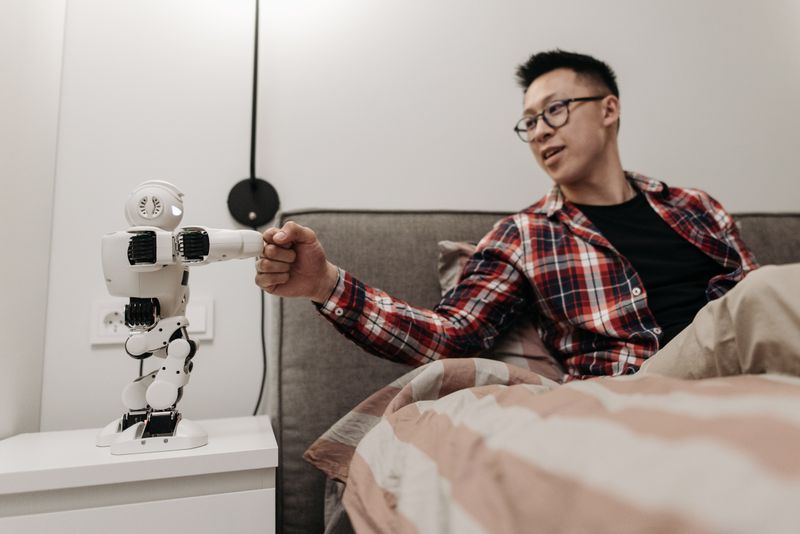
What Isaac 1 actually does
Weave frames Isaac 1 around two task buckets: Laundry Flow and Daily Reset. Laundry Flow covers finding dirty clothes on the floor, picking up loaded hampers, folding garments, and putting them away. Daily Reset handles bed-making, fluffing pillows, and returning shoes, toys, and blankets to their proper places.
The robot adjusts its height from 3 feet to 5 feet 9 inches, which is enough range to reach the floor and counter-height surfaces. Two 6-degree-of-freedom arms and single-finger parallel grippers give it the dexterity to handle soft textiles, though Weave declined to demonstrate the full folding cycle to reporters at launch. Its wheeled base carries it across flat indoor terrain, while the companion iOS and Android app lets owners schedule jobs or trigger tasks remotely.
Battery life sits at roughly eight hours, and a two-hour recharge cycle means Isaac can work through the day and return to service quickly. The system navigates autonomously by default, but Weave keeps remote teleoperation in the loop to guarantee completion of assigned jobs. That hybrid approach—mostly self-driving with human oversight—mirrors how most warehouse and logistics robots already operate.
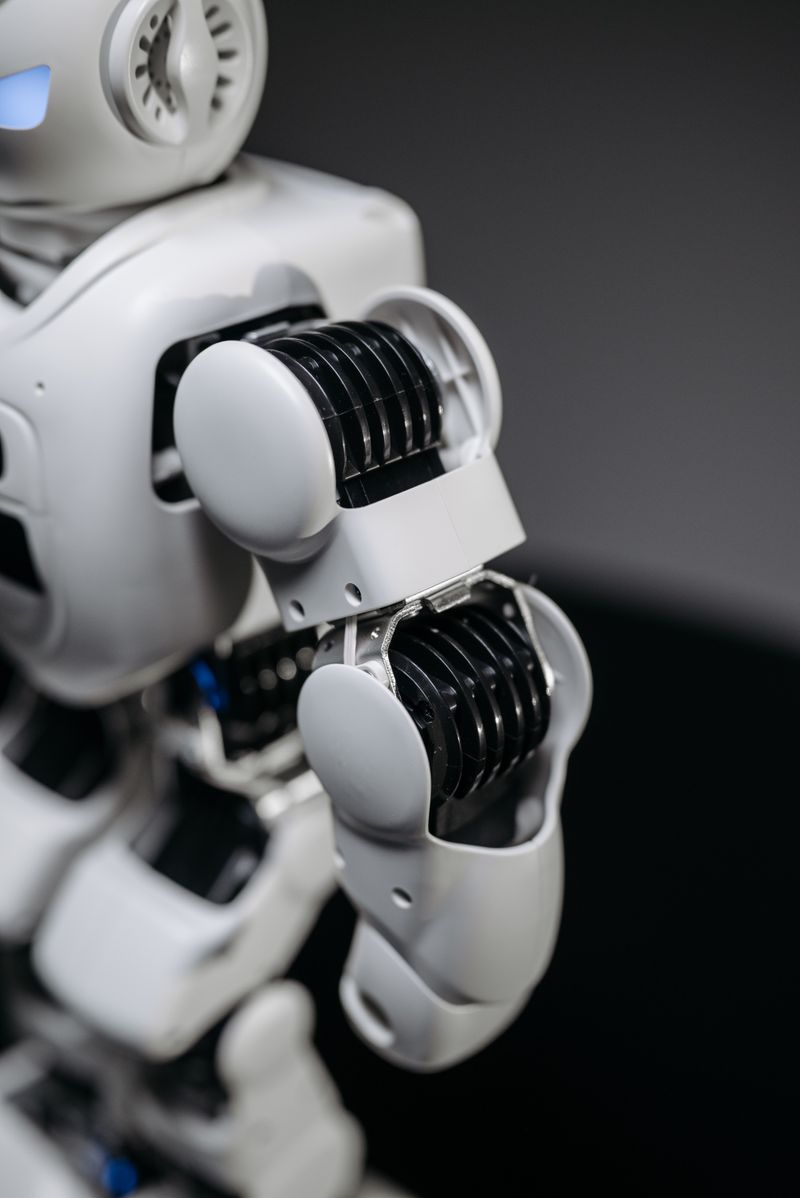
Privacy baked into the chassis
Home robots raise obvious surveillance concerns. Weave addressed the problem directly rather than burying it in a privacy policy. Isaac 1's head cameras include physical shutters that slide closed when the robot is idle, giving anyone in the room a clear visual cue that recording is off. The charging station wraps the robot in a privacy screen while it recharges, so a unit parked in the living room does not look like it is watching.
The robot also skips a built-in screen or display on its face, relying instead on a responsive fabric shell over a solid inner frame. Five interchangeable fabric colorways—Sage, Charcoal, Slate, Terracotta, and Brown—let buyers match Isaac to their decor rather than hiding it in a closet. The collapsible torso means the robot can stand full height while working and then compress to under four feet when inactive, making it less obtrusive during evening hours.
Weave designed and built its own actuators, remote actuation system, and safety systems in-house. The company's control stack combines fine-navigation autonomy with periodic teleoperation checks, which keeps the robot from blocking hallways or knocking over objects it does not recognize.
From laundry folder to general housekeeper
Isaac 1 did not start as a general-purpose home helper. Weave Robotics first built Isaac 0, a stationary two-armed manipulator that folded laundry on a tabletop. That narrower focus gave the engineers a clean training pipeline: the same laundry-folding dataset could teach the arm grasp recognition, fabric tension, and stacking order without requiring the team to solve full-room navigation at the same time.
"Issac 0 can be installed in an afternoon and gets the job done from Day 1: Plop it anywhere with a desk in your home, plug it into a regular wall outlet, drop a load of laundry and walk away," Weave Robotics said in a statement. "Isaac 0 works for 30 to 90 minutes, and you'll return to find clean stacks of clothes waiting for you."
The success of that first unit gave Weave enough evidence to raise capital and design Isaac 1 around a moving platform. The new model keeps the bimanual folding expertise while adding the wheeled base, height adjustment, and navigation stack needed to move from room to room. The company has not disclosed how many Isaac 0 units it sold, but it said early customers stay close to headquarters to make service calls practical.
Why now, and whether the market is ready
Consumer humanoid robots have cycled through hype peaks since Boston Dynamics first posted Atlas videos. Pepper, Jibo, and Anki Vector all promised domestic companionship and vanished when funding ran out or product-market fit failed to appear. The difference this time is twofold: hardware costs have dropped sharply, and the AI behind manipulation has improved enough that a launch like Isaac 1 feels plausible rather than aspirational.
Figure AI, Tesla, and Agility Robotics are chasing industrial buyers first, which keeps prices high and demand concentrated in warehouses. Weave is taking the opposite bet: skip the factory, sell directly to homeowners who want the second machine in their house to earn its keep. The company claims Isaac should pay for itself in saved time, though it has not published a formal return-on-investment model for a robot that does chores rather than wages.
For readers tracking how robots move from labs into daily life, our robot coverage follows every major platform launch. The broader artificial intelligence section tracks the machine learning systems that give these machines their map of the world.
Weave begins California shipments this fall, with wider U.S. availability through 2027. The robot's real test will come when owners stop treating it as a novelty and start treating it as an appliance—something that earns its spot at the outlet when it reliably folds the towels without being asked twice.
More details on pricing and specs are available on Weave Robotics' product page.