Tampa's Whole-Blood Drone Program Aims to Put Transfusions at the Scene in Under Three Minutes
Tampa General Hospital and Hillsborough County Fire Rescue announced on August 3 that they are standing up what they call the nation's first EMS-driven drone delivery program for pre-hospital whole blood, with drones based at two fire stations set to fly blood to serious trauma scenes in under three minutes on average. The aircraft will be supplied and maintained by Archer First Response Systems (ArcherFRS), a Florida company that sells fully managed emergency drone logistics rather than off-the-shelf hardware, and the service is slated to begin in October, pending a county commission vote scheduled for September 2.
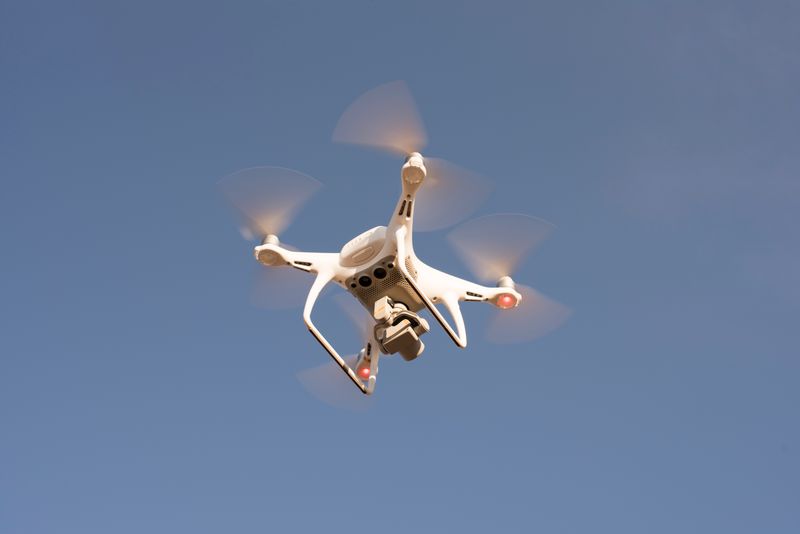
The idea is simple on paper: when a 9-1-1 call involves severe bleeding, dispatchers alert crews and get a drone loaded with whole blood ready at the same time, so paramedics can start a transfusion on scene instead of waiting for the hospital. The practical part is more demanding. Blood is a temperature-sensitive product that has to ride in a controlled container, each flight has to clear airspace and weather gates around the clock, and the system has to be ready 24/7 even on days when not a single flight gets requested. ArcherFRS says it takes on that complexity as a managed service, which is the model that lets a county fire department gain the capability without hiring pilots or building an aviation division.
Two Fire Stations, a 70-Square-Mile Patch, and a Three-Minute Target
The program starts small. Two drone systems will sit at Hillsborough County Fire Rescue Stations 9 and 37 — Station 9 covers the Faulkenburg and Sabal Park area, and Station 37 is in Riverview — covering a combined area of roughly 70 square miles. The stations were chosen because they serve the parts of the county with the highest volume of penetrating trauma and hemorrhagic injuries. "Our crews are often first at the scene of an accident," Hillsborough County Fire Rescue Division Chief Todd Carnell said in the hospital's announcement, describing the program as a change for first responders and for the families they serve.
Each location gets a ground control hub that holds and launches the aircraft. When a call looks like severe bleeding, crews request a delivery from a mobile device. Remote pilots then check weather, airspace, and system condition before anything leaves the ground. ArcherFRS says the average delivery window across the initial coverage area works out to under three minutes, and the aircraft can carry about 6.5 to 7 pounds of payload, which covers blood bags and other emergency items such as AEDs, naloxone, epinephrine auto-injectors, and trauma supplies, day or night.
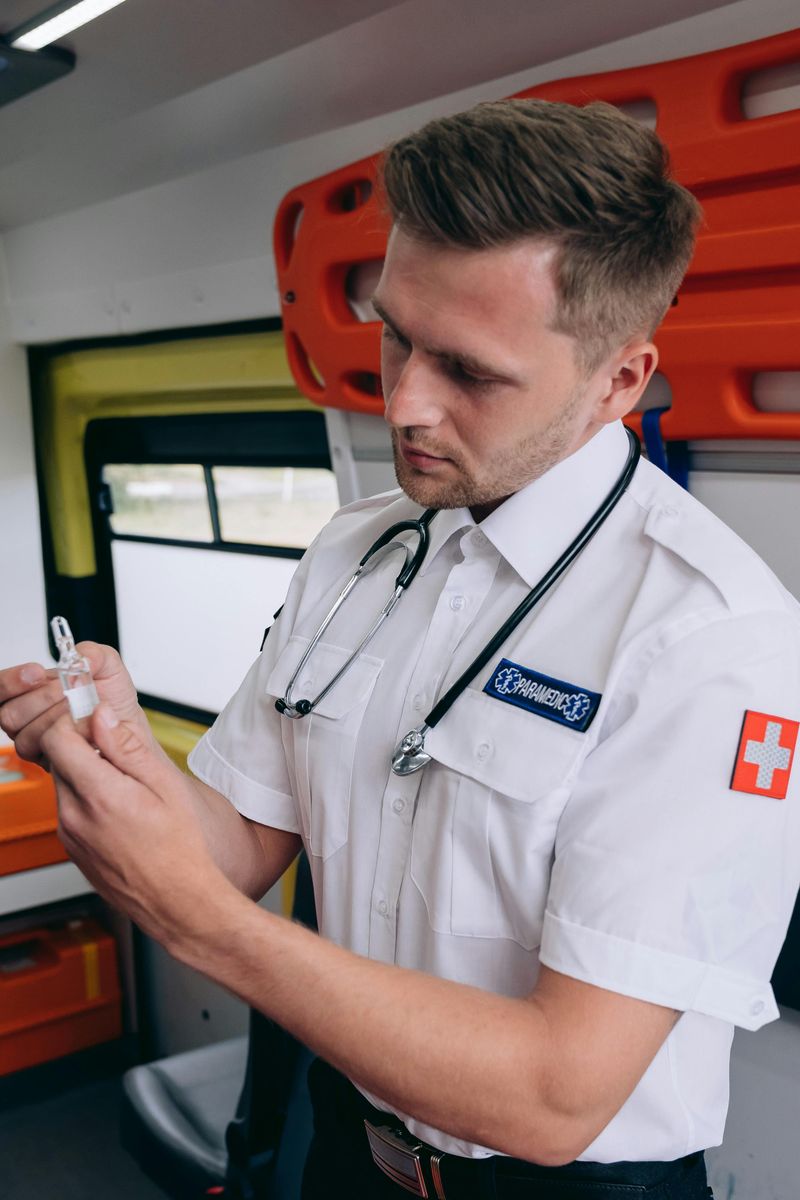
The program also includes the USF Health Morsani College of Medicine, the Florida Center for Emergency Medical Services, and OneBlood, the regional blood supplier. Tampa General runs a Level I trauma center, and its leadership frames the drone in clinical terms. "In traumas with heavy bleeding, every minute matters," said Dr. Jason Wilson, chief of emergency medicine at Tampa General and founding chairman of the emergency medicine department at the Morsani College of Medicine, adding that faster access to whole blood is a strong predictor of survival.
Why Whole Blood at the Scene Beats Whole Blood at the Hospital
Trauma medicine has long leaned on the golden-hour concept: the first sixty minutes after a serious injury are the window where treatment does the most to improve survival odds. This program shifts part of that window to where the injury happens. Michele Moran, senior vice president for emergency services at Tampa General, put it this way in the hospital's release: the golden hour of trauma care used to start at the hospital door, and this effort puts whole blood in first responders' hands before a patient ever gets there.
Whole blood is what the body loses from a bleeding extremity and in shock states. It delivers plasma, platelets, and red cells in one unit, which is why emergency teams who carry it can correct oxygen debt and coagulation problems sooner. Crews will be allowed to start a transfusion on scene when the patient meets the program's clinical criteria, and the aircraft keeps blood inside a temperature-controlled box at the hub when it is not flying.
The design also targets a wasteful pattern. Many fire agencies would like the option of giving blood, but keeping units cold on every truck costs real money and the product's shelf life is short. Concentrating the stock at two hubs with quick airborne delivery means the blood stays usable longer, and the county pays for what it flies. It sounds small, but for a tight EMS budget it can be the difference between having the capability and going without.
A Managed Service Keeps the Flying Out of the Chief's Lap
Archer First Response Systems is the company behind the hardware, and founder and CEO Gordon Folkes III is explicit about the model: agencies buy readiness, not aircraft. ArcherFRS already runs the first 9-1-1-integrated delivery of AEDs and naloxone in the U.S. with Manatee County EMS, and Tampa is an expansion of that playbook. The company installs and maintains the ground control hubs, monitors the system around the clock, provides piloting support and airspace checks, and carries much of the regulatory approval work. The fire department keeps operational control and the Certificate of Waiver authority that lets the drones fly, while the vendor works to keep the flights certified and ready at all times.
That hands-off setup is aimed at chiefs who do not want to stand up a new division just to fly medical drones. In-house aviation means pilots, maintenance, insurance, and a stack of approvals. A managed service turns that into a subscription, moving the fixed costs to a vendor whose whole job is keeping the systems certified.
Fire-rescue budgets are under pressure in many districts, and the timing suits ArcherFRS. Tampa General calls the arrangement its partnership model with selected hospitals: the hospital and the vendor work together so life-saving tools reach the field even while the funding path is still being settled. The hospital says the aim is that agencies do not have to choose between caution on spending and giving crews every possible tool in the critical early minutes of a trauma call.
Drone Delivery Is Growing Up Past the Experiment Phase
The Tampa launch arrives as the delivery-drone market pushes past trials. DoorDash told the Wall Street Journal in late July that it plans to design and build its own drones and run an end-to-end aerial delivery network, a step that turns a food-delivery platform into a hardware maker. The company argues that owning the aircraft gives it more of the say over reliability and unit economics, a similar to the hospital's reasoning for wanting a specialist to handle the complex parts.
Medical drone flights are not brand new. Zipline's Rwanda service has moved blood products by fixed-wing drone for years, U.S. programs have ferried lab samples between hospitals, and a handful of European cities have tested organ and antivenom shuttles. The Tampa test is unusual in its setting: a dense, urban metro EMS system dealing with traffic, restricted airspace, and general aviation, integrated into a routine 9-1-1 response rather than a single national rollout.
The FAA still requires a certificate of waiver or part 107 limits for most drone work, and public agencies must renew their authority. Hillsborough County's commission is set to consider the program on September 2; if it passes, the system is expected online in October, and Tampa General says it will review early data before expanding coverage.
What It Means for the Industry
Communities across the U.S. watch this case closely. If a mid-size county can run a whole-blood drone service on a managed basis, rural and suburban trauma response — where ambulances sometimes cover long road miles — gains a new option. The Tampa partners say they will review early results and expand coverage over time.
The hospital and the county are not claiming that the drone takes the place of the ambulance or the trauma bay. It moves one precise, life-saving product closer to the injured person at the moment it matters most. Whether other counties can buy the same arrangement will be answered quicker than most big projects: the county auditor will see the numbers before the first packed bag flies.