Samsung SDI Buys Out GM's Stake in Indiana Plant as Korea's Battery Trio Pivots Factories to Energy Storage
The three Korean battery makers that built North America's electric-vehicle plants are quietly unwinding their joint ventures with automakers and turning the same factories into energy-storage lines. Samsung SDI said on August 11 it will buy GM's entire 49.99 percent stake in Synergy Cells, the US$3.5 billion Indiana plant the two companies started in 2024, and convert it to make batteries for grid storage instead of EVs. LG Energy Solution and SK On have already done the same in Canada and Tennessee, and the pattern is reshaping who owns what in American battery manufacturing.
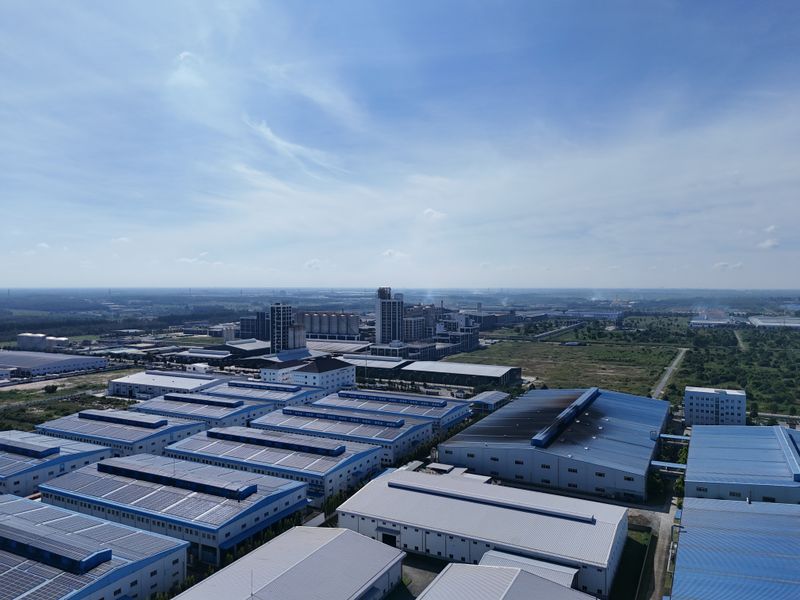
The GM buyout and the Indiana pivot
Samsung SDI's agreement to take full control of Synergy Cells, announced through its official newsroom, ends GM's role in a plant that was designed to make 27 gigawatt-hours of EV batteries a year. The facility in New Carlisle, Indiana, will now produce energy storage system (ESS) cells to serve the fast-growing US storage market.
A Samsung SDI official said the acquisition "is to continue the strategic partnership with GM" while letting the company use the plant to respond to rising storage demand. The two firms also signed a separate deal to jointly develop next-generation prismatic cells with high energy density and fast charging, keeping an EV door open without committing factory capacity to it.
The move matches what battery analysts expected. US EV sales fell 20.5 percent in the first half of 2026 to 681,000 units, according to SNE Research, while hybrid sales climbed 15.3 percent to 1,162,970 units. The federal US$7,500 EV tax credit ended in September 2025, and demand followed it down.
Why the joint ventures are dissolving
The exit from Synergy Cells is not an isolated deal. LG Energy Solution bought out Stellantis's 49 percent stake in NextStar Energy in Canada for a symbolic US$100 in February, taking over a plant in Ontario that had drawn more than C$5 billion in investment. It had already absorbed Ultium Cells Plant 3 in Michigan the year before, paying around 3 trillion won for GM's share.
SK On finished a similar split with Ford in May. The two companies ended BlueOval SK, their joint venture for plants in Tennessee and Kentucky, with SK On taking the Tennessee site and Ford keeping the two Kentucky plants. SK On renamed its facility SK On Tennessee.
Industry watchers at ChosunBiz counted the remaining partnerships this week: LG Energy Solution still runs four joint plants with automakers, including Ultium Cells Plant 1 in Ohio and Plant 2 in Tennessee, plus the Ohio site shared with Honda and the Georgia plant shared with Hyundai. Samsung SDI keeps one joint plant with Stellantis in Kokomo, Indiana, and SK On has only the Georgia plant with Hyundai left.
The speed of the change is notable. Two years ago the same three companies were announcing gigafactory expansions across the US and Canada with fanfare, betting that federal incentives and brand loyalty would carry EV adoption. Instead, the tax credit's removal in September 2025 and a slower-than-expected uptake in the second quarter forced a round of cost reviews, and the joint ventures were the easiest line items to restructure. Automakers wanted flexibility, and cell makers wanted utilization, so both sides found a way to split assets without legal fights.
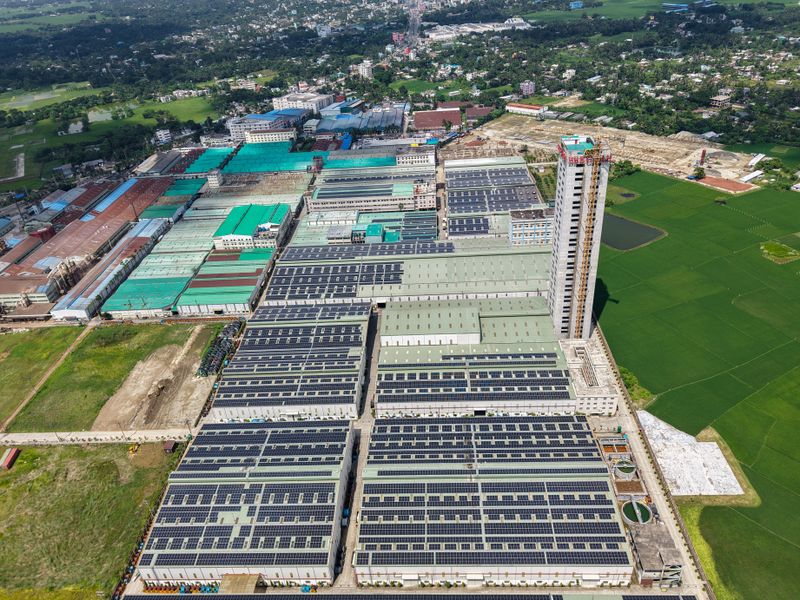
ESS is the new anchor for battery makers
Storage demand is the pull that makes these conversions palatable. US utilities added battery storage at an average pace of 70 percent growth a year since 2023, reaching 52 GW of installed capacity by mid-2026, and grid-scale project queues keep stretching. A plant that cannot fill EV orders profitably can often fill storage orders instead, with no new construction.
LG Energy Solution has been mass-producing LFP batteries for storage since late last year at the former NextStar plant in Ontario. It plans the same output at the ex-Ultium Plant 3 in Lansing, Michigan. Samsung SDI will use New Carlisle for ESS cells before any prismatic EV cells arrive, and SK On is studying storage production at its Tennessee plant from 2028.
The economics are straightforward, as one industry official told ChosunBiz: with EV utilization low and automakers revising electrification plans, leaving plants idle is not an option, and converting them cuts the years it would take to build new storage capacity from scratch.
Storage is also pulling in orders that look nothing like the old auto contracts. US grid operators are contracting batteries for durations of four hours and more, and hyperscalers are adding storage behind data-center meters to smooth their power draw. That mix helps LFP chemistry, the same formula Korean makers now run through their converted lines.
There are early signs the storage market is now profitable enough to justify the switch. Cell prices that crashed through 2025 have started to firm in the third quarter, helped by AI data-center demand and overseas storage tenders, according to industry trackers. Even a modest rebound matters for makers who must cover the fixed costs of a half-used gigafactory.
The demand signal is not purely domestic either. Korean battery makers still face the question of how much of their storage output will stay in North America, where local-content rules for grid projects and IRA-era manufacturing credits favor domestic production. By keeping the converted plants in the US and Canada, the trio keeps those incentives on their side while serving a market that is adding storage faster than almost anyone predicted.
The obstacles ahead for the pivot
Converting a plant is not as simple as flipping a switch. ESS cells run different form factors and testing regimes than EV cells, so lines need reconfiguring, and customers like utilities run qualification cycles that take months. That is why LG Energy Solution started its Ontario conversion last year rather than waiting for demand to peak, and why SK On is only reviewing a 2028 start for Tennessee.
Interconnection queues are another constraint. US grid operators have tens of gigawatts of storage projects waiting in line for connection studies, and some of that wait is now stretching years. Battery makers can build the cells, but the projects those cells serve still need grid hookups, transformers, and approval cycles that sit outside their control.
Demand for the old product has not disappeared, either. Hybrids are selling, and automakers still want batteries for them, just smaller packs at lower cost. GM is exploring ways to bring back hybrid models after years of treating them as an afterthought, and Ford has said every gasoline model it sells should offer a hybrid option by 2030. Those plans consume some of the same production capacity, which is one more reason the Korean makers want to keep their options open with prismatic-cell development instead of locking every line to one chemistry.
What it means for the US battery map
The shift does not shrink America's battery footprint so much as repurpose it. GM, Ford, and Stellantis are keeping a hand in next-gen cell development while trimming fixed costs, and the three Korean groups keep operating their US facilities, just with storage customers instead of car buyers. Hyundai and Honda joint plants remain untouched.
There is also a policy layer under the story. The Trump administration's removal of the EV purchase incentive, plus tariff pressure on imported cells, pushed automakers to lean on hybrids for compliance and margins. Battery Tech Online reported this week that GM's Ohio Ultium plant restarted production after a seven-month shutdown, bringing back 1,400 workers, while the company explores reintroducing hybrid models.
Korea's storage ambitions predate this pivot. During earnings calls earlier this year, LG Energy Solution and SK On laid out ESS order targets of more than 90 gigawatt-hours and 20 gigawatt-hours respectively, and both have been repurposing surplus EV lines to meet them. The difference now is that the factory assets themselves are following the orders, with ownership moving to the cell makers so they can manage the conversion themselves.
For the broader battery industry, the takeaway is simple: the plants built for the EV boom are now doing double duty in the storage boom. Korea's cell makers bet billions on North American auto joint ventures, and they are converting those bets into standalone storage factories rather than writing them off.
ChosunBiz: Korea battery trio exits US auto JVs, pivots to ESS