Prabowo Launches National Electric Motorcycle Push With a 2-Million-Unit Ambition
JAKARTA — President Prabowo Subianto stood on the factory floor at ALVA's Cikarang plant on Thursday and signed a plaque marking the 20,000th electric motorcycle to roll off the line. Then he raised the stakes: make it 200,000, and eventually 2 million.
The launch turned a single production milestone into the opening act of what the government now calls the "national electric motorcycle ecosystem," or MoLiNas. It is the clearest signal yet that Jakarta wants to move beyond selling subsidized EVs and actually build them — batteries, bikes, and eventually cars — at home.
Prabowo framed the push in blunt terms. "We must be independent and stand on our own two feet for every economic activity taking place in Indonesia," Investment and Downstreaming Minister Rosan Roeslani said, echoing the president's directive at the ceremony on August 13.
Why the two-wheeler comes first
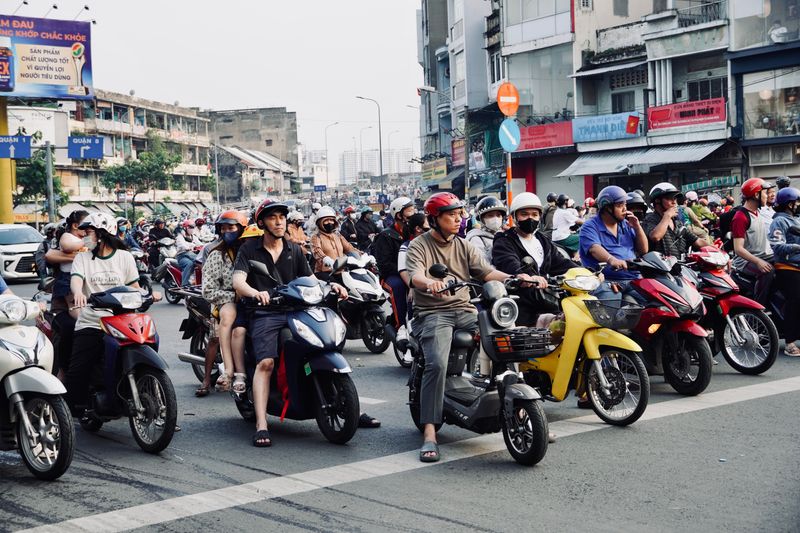
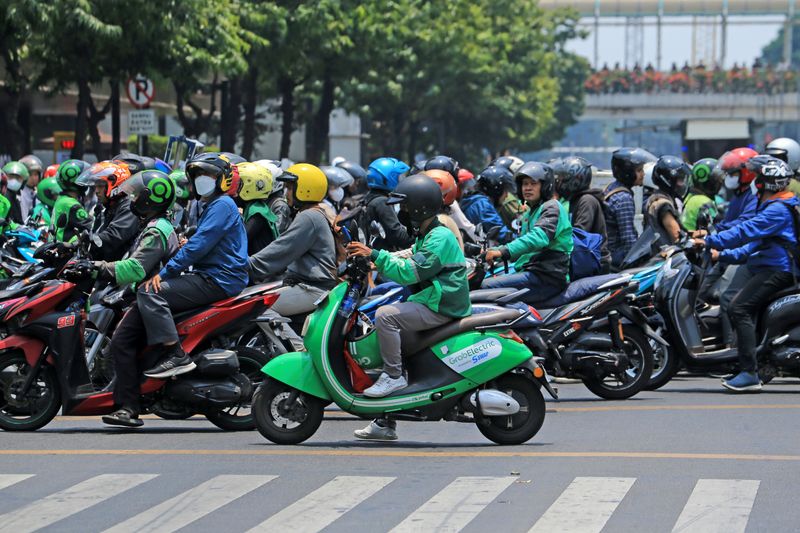
Indonesia's motorcycle habit is the obvious entry point. Roughly 140 million motorcycles are registered across the archipelago, and Indonesians buy six to seven million new ones every year. Electric models account for barely 60,000 to 70,000 of those annual sales — around one percent of the market.
That gap is the opportunity. Roeslani told reporters the upside could be "exponential," pointing to a potential market worth $170 billion as petrol bikes age out of the fleet.
The economics are easy to sell. Prabowo said switching from a petrol-powered bike to an electric one cuts daily energy costs by at least 50 percent, and up to 70 percent for heavier commuters. The government plans to add zero-down-payment financing and subsidized interest rates to make the switch even cheaper, and it is dangling a trade-in scheme for owners of old petrol bikes.
There is a stick hidden in the offer too. The president warned that major cities are already restricting petrol motorcycles — Beijing bars them from its streets, he noted — and hinted Indonesia could follow with carbon pricing of its own.
Ten factories already qualify
The push is not starting from zero. Ten domestic manufacturers have already met the local-content (TKDN) requirements set by the Industry Ministry, and state-owned defense and electronics firm PT Len Industri has been brought in to police quality standards so locally built bikes can compete with Chinese, Japanese, and Korean imports.
ALVA, the brand behind Thursday's milestone, is owned by PT Ilectra Motor Group, a unit of energy conglomerate Indika Energy. Its Cikarang plant is the anchor of the program for now, with other factories expected to plug in as volumes grow.
Prabowo made a point of praising the private companies that took the risk. "Initiative requires courage because initiative carries risk," he said, before borrowing a military motto: "Victory will not simply arrive on its own; it must be fought for, it must be seized."
Nickel is the deeper play
The motorcycle program is really a battery program in disguise. Indonesia holds about 46 percent of the world's nickel reserves, and Roeslani made clear the endgame is to process that ore into cells locally instead of shipping it abroad.
"MoLiNas can be affordable and high quality, especially since we can carry out downstreaming from nickel into batteries, which can then be used in production going forward," he said.
That ambition stretches well beyond two wheels. Prabowo has set a target of mass-producing home-grown electric cars no later than 2028, with an EV manufacturing complex already under construction at Kilometer 84 in Subang Regency, West Java. A separate stimulus package — expected to be announced shortly — will decide which vehicles, battery chemistries, and local producers get government support.
Analysts caution that incentives alone won't build an industry. Without stricter local-content rules and stronger links between nickel processing, cell making, and final assembly, the subsidies risk turning Indonesia into a bigger EV buyer rather than a higher rung on the supply chain, according to a South China Morning Post analysis of the program.
An "Indonesia Incorporated" test
The program's backers describe it as a textbook case of "Indonesia Incorporated" — the model where state agencies, state-owned enterprises, private capital, and universities work as one unit. Prabowo argued the country has no choice but to master the technology itself.
"Open our history books. Unrest occurs every time we are on the verge of taking off," he told workers and researchers at the plant. "A nation that does not understand history will be punished by history."
The energy strategy behind the EV push is equally grand: eliminate diesel imports through B50 biodiesel, replace LPG with compressed natural gas, and add 100 gigawatts of solar capacity within four years. Each piece is meant to cut the fuel bill that drains foreign reserves.
What to watch next
Three milestones will tell whether the ecosystem is real. First, whether ALVA and its partners actually reach 200,000 units — Prabowo has promised to return to Cikarang when they do. Second, the content of the EV stimulus package, which will set the rules for subsidies and local-content enforcement. Third, progress at Subang, where the first home-grown electric car is supposed to leave the line by 2028.
For a market that still buys roughly one electric motorcycle for every hundred petrol ones, the direction is clear even if the road is long. Indonesia's EV story is no longer about importers and incentives. The factory floor in Cikarang is where the next chapter gets written — and the target on the wall is 2 million units.
ALVA's current line-up includes the One, priced from around Rp 29.5 million, and the Cervo, which starts at roughly Rp 37.75 million — positioned squarely at the commuter segment that dominates Indonesian roads. Those price points, combined with zero-down-payment plans, are aimed directly at the country's 140-million-strong motorcycle fleet.
ALVA is not the only local player chasing that fleet. Brands such as Gesits, Volta, Polytron, and Viar have spent years building dealer networks and servicing infrastructure, and each has products that meet the domestic-content threshold. What the MoLiNas program adds is state backing at the highest level — a president personally tying the industry's fortunes to the national interest.
The financing terms matter just as much as the hardware. Most Indonesian motorcycle buyers pay in installments, so the zero-down-payment option and subsidized interest rates attack the biggest barrier to switching, the upfront price gap between a petrol scooter and an electric one. Government officials have also floated trade-in allowances for old petrol bikes, which would pull some of the oldest, dirtiest machines off the streets first.
The bet is that cheap, locally built electric bikes can convert that fleet faster than imported cars ever could. If the numbers hold — 200,000 units, then 2 million — the motorcycle factory in Cikarang could end up as the foundation of something much bigger: an electric-vehicle industry built on Indonesian nickel, Indonesian batteries, and Indonesian assembly lines.
For now, the president's message to the companies taking the risk was simple: keep going. The next milestone is already on the calendar.
Related coverage
Read more EV coverage from this site: Chery Q: A $13,300 Electric Hatchback Built Around Indonesian Driving Habits and catch up on all EV stories.
Sources: SCMP analysis of Indonesia's EV production ambitions, ANTARA on the MoLiNas launch and nickel-based batteries, and ANTARA on the $170 billion market potential. The Jakarta Globe covered the 140-million-motorcycle market context, and Kompas reported on the zero-down-payment details.