LG Energy Solution Starts Production at $2B Michigan Plant Built Around Grid Storage
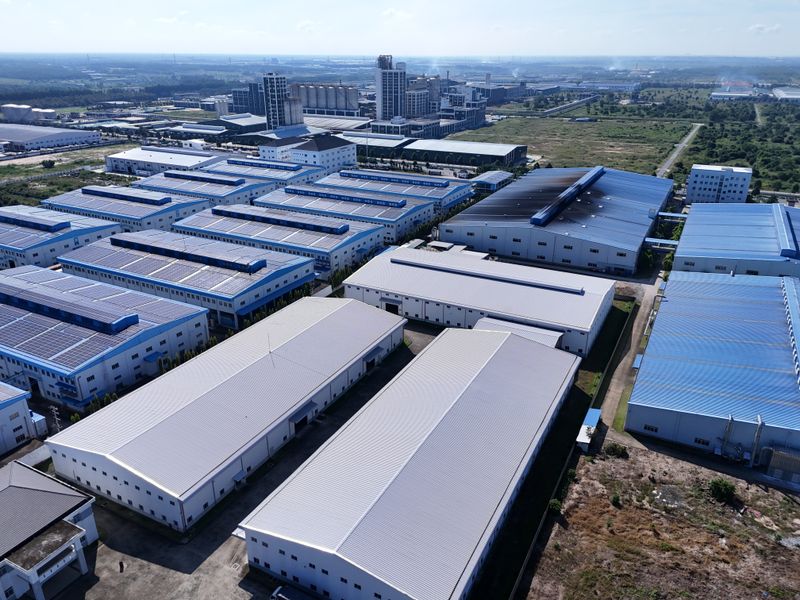
LANSING, Mich. — LG Energy Solution switched on production this week at its all-new battery plant in Lansing, Michigan, a 226-acre site that took more than $2 billion to build and that the company now expects to run at a pace of over 35 gigawatt-hours a year at full scale.
The plant makes two kinds of cells. One line produces lithium-iron-phosphate (LFP) cells for energy storage systems, which the company's U.S. storage division, LG Energy Solution Vertech, turns into complete utility and grid-scale battery units. A second line builds nickel-manganese-cobalt (NMC) cells for Toyota, including cells that will power the 2027 Toyota Highlander EV assembled at Toyota Motor Manufacturing Kentucky in Georgetown.
Company chief executive David Kim called the start of production a defining milestone. He said the site would back both mobility and the country's growing power infrastructure, and that LG Energy Solution plans to keep expanding its U.S. footprint.
A Pivot That Started With GM Walking Away
The Lansing plant did not start out as a storage play. It was originally planned as a joint venture with General Motors, built to supply EV batteries for GM's vehicles. That plan fell apart as U.S. EV demand slowed. GM sold its stake to LG Energy Solution in early 2025, and the near-complete factory changed hands.
The Nikkei reported the opening arrived about half a year later than originally planned, a delay the company has blamed on softer-than-expected EV growth. LG Energy Solution then reworked the facility's mission: LFP chemistry for storage first, NMC cells for Toyota second, and no GM in the picture at all.
The pivot mirrors what is happening across the industry. Automakers have pulled back on EV launch timetables, while utilities, developers, and data center operators are buying grid batteries faster than suppliers can make them. LG Energy Solution now makes more storage cells in North America than any other producer, and the Lansing ramp is the centerpiece of that push.
Storage Cells, Toyota Cells, and a "Mother Plant" Role
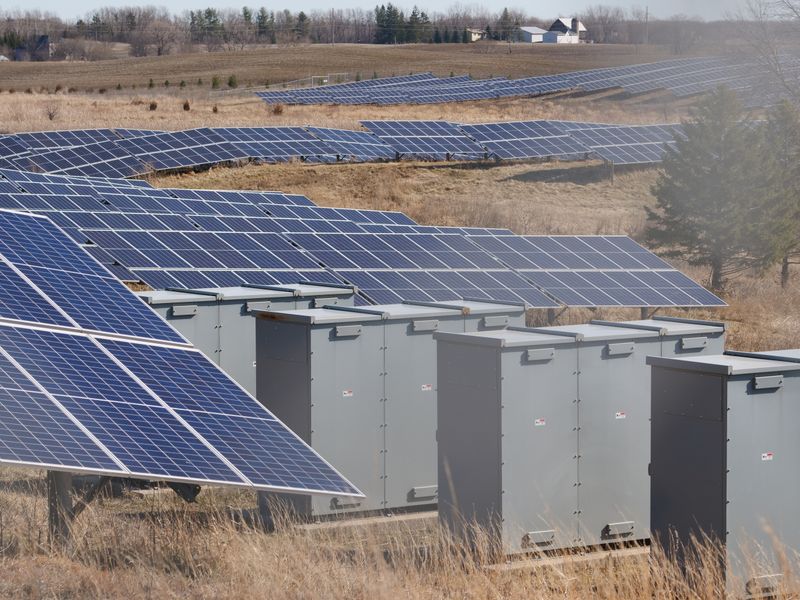
The LFP cells coming out of Lansing feed LG Energy Solution Vertech's system assembly line, which packages cells into containers for utility, grid-scale, and commercial-industrial projects. DTE Energy, the Detroit-based utility, is among the customers lined up to use Lansing-made batteries in future storage projects.
The NMC side serves Toyota, which signed on as the plant's main automotive customer. Toyota assembles the 2027 Highlander EV at its Kentucky plant, and the Michigan cells give that vehicle a U.S.-built battery supply chain at a time when domestic content rules are reshaping how carmakers source components.
LG Energy Solution officials also described the plant as a test bed for new chemistry. "This is also our kind of mother plant where we try new technologies," one company representative said at the opening event. "If we build out new chemistries, this is probably the plant we'll try that out before we roll it out to other locations."
That detail matters for what comes next. Whoever wins the race to next-generation batteries — whether solid-state, sodium-ion, or something else — will need a factory that can handle pilot runs before scaling. LG Energy Solution has positioned Lansing for exactly that job.
Jobs, Investment, and Michigan's Battery Belt
The plant currently employs about 900 people and is set to reach roughly 1,700 at full production, which the company says will satisfy the job-creation commitments tied to state incentives. LG Energy Solution has now invested more than $5 billion in Michigan since 2010, with facilities in Holland and Lansing plus the North American regional headquarters and an R&D center in Troy. By the end of 2026, its Michigan workforce should pass 3,300, putting it among the state's top 50 employers.
Lansing is the second Michigan plant in LG Energy Solution's portfolio. The Holland facility, which opened in 2025, already runs LFP cell production, and the company's storage division — LG Energy Solution Vertech — handles the system integration side of the business, packaging cells into the container-sized units that utilities deploy. Together, the two sites give LG Energy Solution a home-grown answer to a question every storage developer in the United States is asking: where do the cells come from?
Michigan Governor Gretchen Whitmer attended the grand opening and leaned on the numbers. "Nationally, our battery capacity increased 60% from 2025 to 2026," she said. Delta Township Supervisor Fonda Brewer, whose township sits next to the plant, pointed to the wages the facility will bring. "That's people who will be able to live here, work here and play here," Brewer said.
The event also drew U.S. Secretary of the Interior Doug Burgum and U.S. Representative Tom Barrett, a sign of how much political weight Washington now attaches to domestic battery production. Burgum cast the plant as part of a broader push to keep battery supply chains inside the country rather than depending on foreign suppliers.
North America Becomes the Storage Hub
LG Energy Solution's strategy now runs through North America in a way it did not two years ago. By the end of 2026, the company plans to have more than 50 GWh of LFP cell-making capacity across five sites on the continent: wholly owned plants in Holland and Lansing, Michigan, plus NextStar Energy in Windsor, Ontario, and two joint-venture facilities — L-H Battery Company in Jeffersonville, Ohio, and Ultium Cells 2 in Spring Hill, Tennessee.
The company expects 80% of its global ESS capacity to sit in North America by the end of this year. That is a striking shift for a Korean manufacturer that historically built most of its cells at home, and it reflects both U.S. policy incentives and the sheer size of the American storage market.
The timing lines up with a broader grid-storage wave. U.S. grid battery installations crossed 52 GW earlier this month as solar-heavy power markets search for ways to store afternoon generation for evening demand. Plants like Lansing are the supply side of that equation, and LG Energy Solution is betting that storage, not EVs, will be the volume business in North America over the next few years.
Part of that bet is about chemistry, not just capacity. LFP cells cost less per kilowatt-hour than NMC, tolerate more charge cycles, and carry a lower fire risk, which is why storage projects have gravitated to them even as automakers stick with NMC for range. By co-locating both chemistries at Lansing, LG Energy Solution keeps the option to swing output toward whichever market is paying more at any given moment.
None of this means the EV line is an afterthought. Toyota's Highlander EV order gives Lansing exposure to both markets, and the company argues that flexibility is the point: if EV demand recovers faster than expected, the plant can shift more output to NMC; if storage keeps booming, the LFP line scales instead.
For Michigan, the opening cements a manufacturing corridor that state officials have spent years courting. For LG Energy Solution, it converts a delayed, reworked project into a live factory at a moment when North American battery demand is climbing on two fronts at once.
The next milestone will be the full ramp to 35 GWh and 1,700 workers, which the company expects through 2027. Until then, every storage container and Highlander battery pack that leaves Lansing is a test of whether a plant built for GM's EVs can become the anchor of America's storage buildout instead.
Read more from the Battery Tech section, or follow the EV angle. Sources: LG Energy Solution press release, Solar Power World, Nikkei Asia, Automotive World, and WLNS.