Ultium Cells will convert part of its Spring Hill, Tennessee plant to make battery cells built on a new chemistry, the company said on September 28. The cells will be lithium-manganese-rich, known as LMR, in a prismatic form, and General Motors has claimed the output for its own vehicles.
The upgrade is a bet that US EV demand comes back, and that when it does, price will decide who wins the showroom. GM has spent close to a decade developing the formula with LG Energy Solution, its partner in the Ultium Cells joint venture. Commercial production of the LMR cells is scheduled for 2028, with pre-production starting at an LG Energy Solution facility by late 2027.
That schedule matters because the US EV market is still limping. Congress repealed the $7,500 federal EV tax credit last year, and sales slid after that, with US buyers cooling while Europe stayed hot, as Reuters reported on October 8. LMR is GM's answer to the slump: a cell built to cut battery cost without the weight penalty that has followed other cheap chemistries. GM says the LMR cell delivers 33% more energy density than lithium iron phosphate at comparable cost.
The company is not starting from zero. When US EV demand collapsed, GM pivoted its Tennessee operations toward LFP cells for stationary storage, and it kept LMR development running on the back burner through Ultium Cells. "By producing multiple chemistries, including high-nickel, lithium iron phosphate (LFP), and now LMR, in both pouch and prismatic form factors, Ultium Cells demonstrates its ability to adapt quickly as battery technologies evolve to meet a broad range of applications, from electric vehicles to energy storage," GM said in its announcement.
GM's combined investment in LFP and LMR capacity will reach $2 billion by 2030, according to the company. That number covers both the storage lines already running and the LMR conversion now underway.
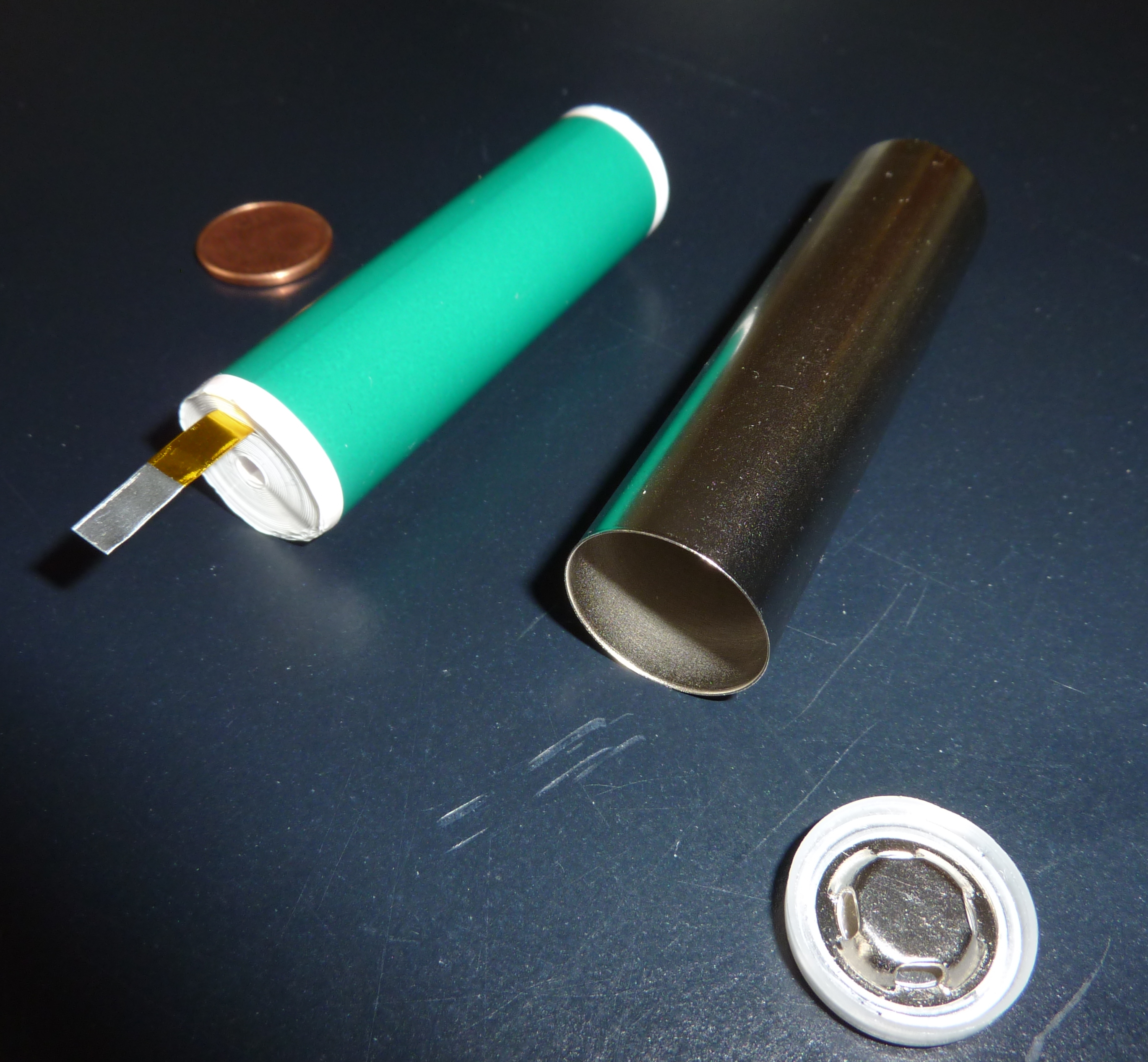
High-nickel cells are not going away at GM. Kurt Kelty, the company's vice president of battery and sustainability, said the high-nickel formula still serves markets where long range is the priority. LMR enters the lineup where affordability drives the purchase, which is a polite way of saying trucks and full-size SUVs aimed at families doing math.
An American answer to a Chinese chemistry
LFP was a US invention, and China ended up owning the market for it. The Institute of Energy Efficiency at the University of California, Santa Barbara made that point in July 2025, saying the new GM battery "might help American manufacturers reclaim some high ground." The claim is not just marketing flattery, either. LFP cells from Chinese producers have become the default for cheap EVs and for grid storage alike, and no Western cell maker has matched their cost at volume.
The chemistry got a formal nod in October 2025, when GM's LMR cell took the Battery Innovation of the Year award at the 15th Battery Show North America. Ford is also spending R&D money on the material, and early work on manganese-rich cells ran into trouble with short lifespan and voltage decay. Those are engineering problems that take years to solve, which is why GM's decade-long development timeline is not an exaggeration.
Europe's cell cost gap is closing, slowly
Europe is fighting the same cost fight in policy terms. In an October 1 analysis, Transport & Environment said a quarter of EU battery cell capacity announced since 2022 has been cancelled or shelved, and that Germany's project pipeline for 2035 has halved. South Korean manufacturers, not European ones, account for more than 72% of active cell manufacturing on the continent.
The picture is not all bad. More than half of the cells in EVs sold in the EU today are already made in Europe, the group found, and the continent is on track to produce over 100 GWh of LFP batteries by 2030, with a potential 140 GWh if every announced project goes ahead. Cathodes are the weaker link: Transport & Environment estimates China could still hold over 80% of global cathode production in 2035, with just 3% based in Europe.

The same analysis argues the cost gap between EU and Chinese cells will shrink by 70% by 2030, adding only about 500 euros to the price of an average EV. Car industry group ACEA has claimed a 150 GWh battery shortfall by 2028, and Transport & Environment called that figure inflated, the product of restrictive accounting that ignores cells shipped in EU-assembled cars.
Franziska Grüning, raw materials officer at Transport & Environment, is pushing the European Commission to set minimum local content rules in its Industrial Accelerator Act: 20% for precursor cathode material and 10% for anode active material by 2032. She argues that delaying those requirements would kill midstream projects before they scale, and that without them European cathode plants will not survive.
What could still go wrong
It's not clear the LMR pitch holds on schedule. Pre-production at the LG facility only begins in late 2027, and commercial GM production is a 2028 target, which leaves no slack for the kind of ramp problems that have delayed battery plants before. Chinese LFP producers will keep cutting costs in the meantime, and a 33% energy density advantage over LFP sounds better in a press release than in a margin spreadsheet.
The US policy backdrop adds another layer of risk. The tax credit repeal that damaged EV sales has not been reversed, and the sourcing rules tied to federal battery incentives keep tightening. GM's CEO Mary Barra attended a White House state dinner for China's president in late September while the company was publicly framing LMR as a way to keep America competitive, and both things can be true at once: the battery is a hedge against a market that may or may not come back.
Tesla has not said whether it will follow GM into LMR. The company is busy launching a $200,000 Roadster, and affordability is not the center of that pitch.
The next checkpoint comes in late 2027, when the LG facility is supposed to start pre-production, followed by the Spring Hill commercial line in 2028. In Brussels, negotiators will decide whether the Industrial Accelerator Act keeps its cell and cathode requirements or waters them down under industry pressure. Both clocks are running, and neither result is guaranteed. More coverage of cell chemistry and manufacturing is in our battery tech desk archive.