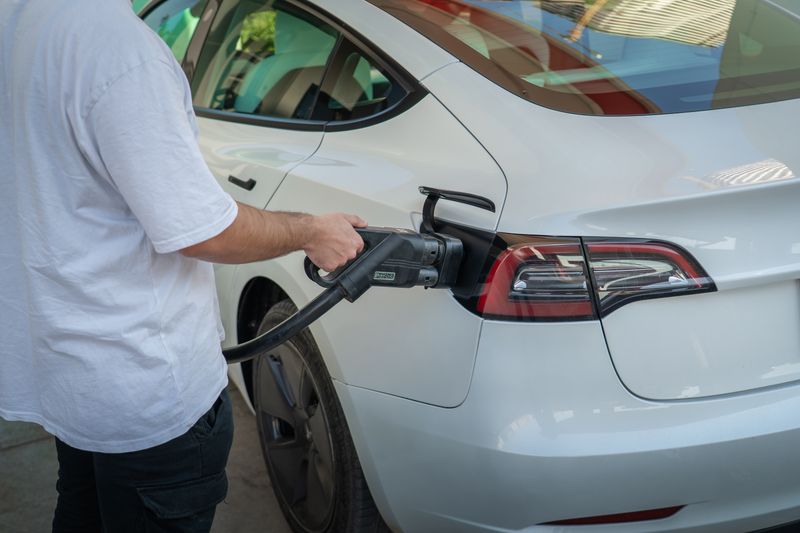
Global electric vehicle sales roared back in the second quarter of 2026, jumping 35 percent from the first three months of the year and setting quarterly records in 50 countries, according to fresh data from the International Energy Agency. The rebound comes after a shaky start to the year and puts the EV market on track to claim nearly a third of all new car sales worldwide.
The Global Picture
More than 90 countries recorded year-over-year EV sales growth during the first half of 2026. Australia, Brazil, India, South Korea, and Vietnam were standouts, with sales from March through June roughly double those during the same period in 2025, the IEA said in its latest analysis.
EVs are having a much better year than the wider car market. Global car sales fell around 5 percent year over year in the first half of 2026 as economic pressure, higher fuel prices, and policy changes dragged down demand in China and the US.
The IEA raised its full-year forecast for EV market share to 29 percent of all cars sold globally in 2026 — one percentage point higher than the Global EV Outlook 2026 the agency released in May.
Diverging Fortunes in China and the US
China's EV market tells a story of two trends. On one hand, the IEA expects EV sales to stagnate year over year for the first time this decade as China's overall car market weakens. On the other, more than 60 percent of new cars sold in China this year are expected to be EVs — an all-time high. That means even a "stagnant" year for Chinese EVs still leaves the country far ahead of every other market in adoption terms.
The US tells a different story. The Trump administration ended federal EV tax credits in September 2025 and weakened fuel-economy rules, removing two major incentives for carmakers and buyers to go electric. Unsurprisingly, US EV demand has fallen sharply. The policy reversal stands in contrast to nearly every other large auto market, where governments are expanding or extending EV support programs.
China's factories certainly haven't slowed down. In the first six months of 2026, the country exported almost as many EVs as it did during all of 2025. The IEA estimates that only around two-thirds of those exported EVs have been sold. Add in unsold inventory from earlier months, and more than 1 million Chinese-made electric cars are now available for sale around the world. The extra inventory could push global sales even higher, particularly in emerging markets where affordable Chinese models are already gaining ground.
Southeast Asia Emerges as a Growth Engine
Southeast Asian markets are proving to be a bright spot in the global EV picture. Indonesia, for example, has seen a surge of activity as automakers race to capture a share of the region's largest car market.
Vietnamese automaker VinFast is showcasing its expanding EV lineup at the Gaikindo Indonesia International Auto Show (GIIAS) 2026, which runs from July 30 through August 9 at ICE BSD City in Tangerang. The company unveiled its "Drive Worry Free" proposition, built around five pillars: zero operating cost, battery peace of mind, ownership confidence, service confidence, and business confidence.
VinFast has established more than 40 dealer showrooms across Indonesia since entering the market just over two years ago, and plans to add more than 150 new locations in the coming years. The company offers incentives including a resale value guarantee of up to 80 percent, complimentary charging on the V-GREEN network, two years of free battery subscription, and a lifetime battery warranty.
Indonesia is also weighing new EV incentives. According to Antara News, the government is considering a proposal to provide Rp 5 million (around US$310) per unit for electric motorcycles, alongside other measures to boost local EV production. The push reflects a wider trend across the region, where countries are competing to attract EV assembly and battery manufacturing investment.
Infrastructure Investment Accelerates
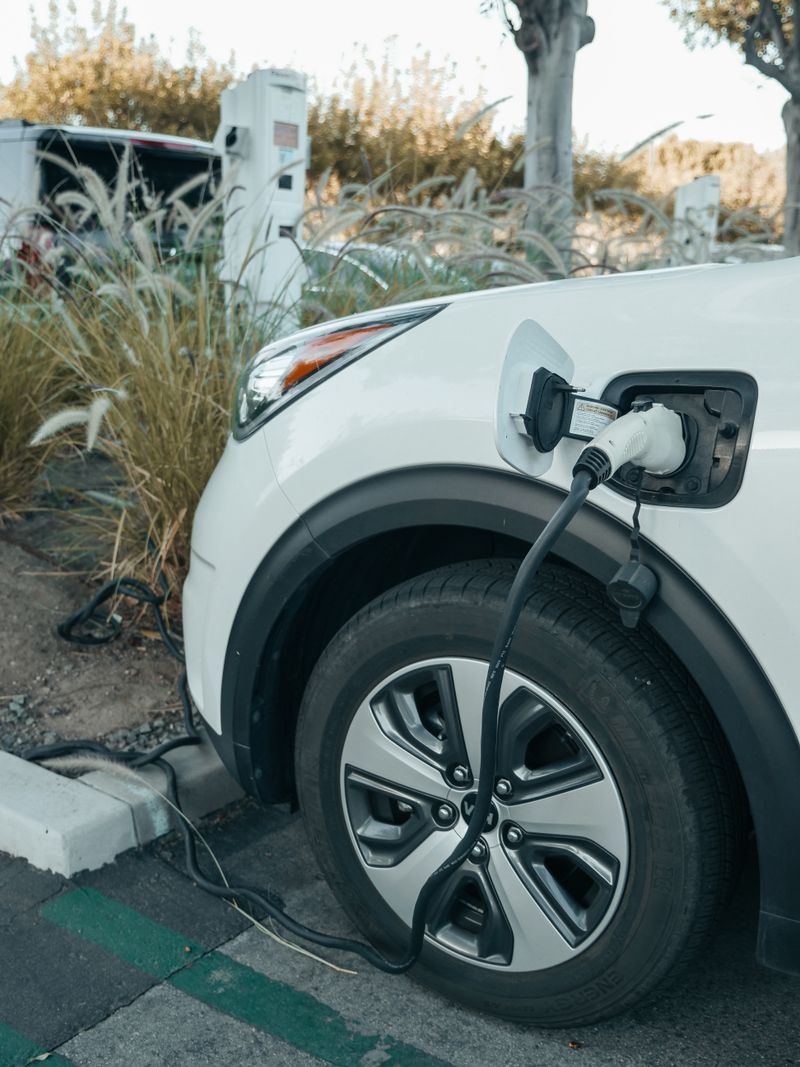
The charging network that powers the EV revolution continues to expand, though unevenly. Canada's federal government announced on July 30 that it is investing $10.9 million (CAD) for 22 EV infrastructure and education projects across the country. The funding includes nearly $9 million to install almost 400 chargers through nine projects under the Zero Emission Vehicle Infrastructure Program, plus around $2 million for 13 education and awareness initiatives.
Canada now has more than 8,900 public charging ports — an increase of 87 percent since 2023. The country's advantage lies in having one of the cleanest power grids in the world, making every kilowatt-hour that goes into an EV battery effectively zero-emission at the source.
"My mother drives approximately 40 kilometers to work each day," Environment Minister Julie Dabrusin said in announcing the funding. "Ensuring EV infrastructure availability and education access for people across Canada is essential to making cleaner options available."
The investment builds on the Canadian government's broader Auto Strategy, announced in February 2026, which aims to transform the country's automotive sector for the EV era.
Oil Price Volatility Adds Urgency
The IEA notes that the Middle East conflict and resulting energy crisis have shoved fuel costs and supply security back into the spotlight. Road vehicles consume nearly half of the world's oil, leaving drivers and national economies highly exposed to price spikes. Countries that rely heavily on oil imports from the Middle East are particularly vulnerable.
The agency says government and auto industry responses to the crisis could give EV sales another boost. Whether that happens will depend heavily on policy choices: countries can help drivers move away from volatile oil prices, or they can follow the US and pull support just as the rest of the global EV market accelerates.
What It Means
The data tells a clear story: the EV transition is no longer dependent on any single market. While the US stumbles and China plateaus, a dozen other regions are picking up the slack. Southeast Asia, Latin America, and India are all buying EVs at rates nobody predicted even two years ago.
Chinese overcapacity is also reshaping the competitive field. Cheap EVs from brands like BYD, MG, and Chery are flooding global markets, pushing down prices and forcing established automakers to respond. Toyota, Hyundai, and Kia have all cut EV prices in multiple markets this year to stay competitive.
The IEA's data suggests that the EV market has crossed a threshold. Even without subsidies in some regions, even with trade barriers in others, global EV adoption is accelerating. The open question is which automakers and which countries will capture the economic benefits of the shift and which will be left behind.
For buyers, the news is mostly good: more choice, falling prices, and — in most of the world — a rapidly expanding charging network. For the oil industry, it is a different story. Every EV on the road is one less customer for gasoline, and with 50 countries now setting EV sales records, those lost customers are adding up fast.