Global Electric Truck and Bus Sales Crossed Half a Million in 2025, and China Did Most of the Heavy Lifting
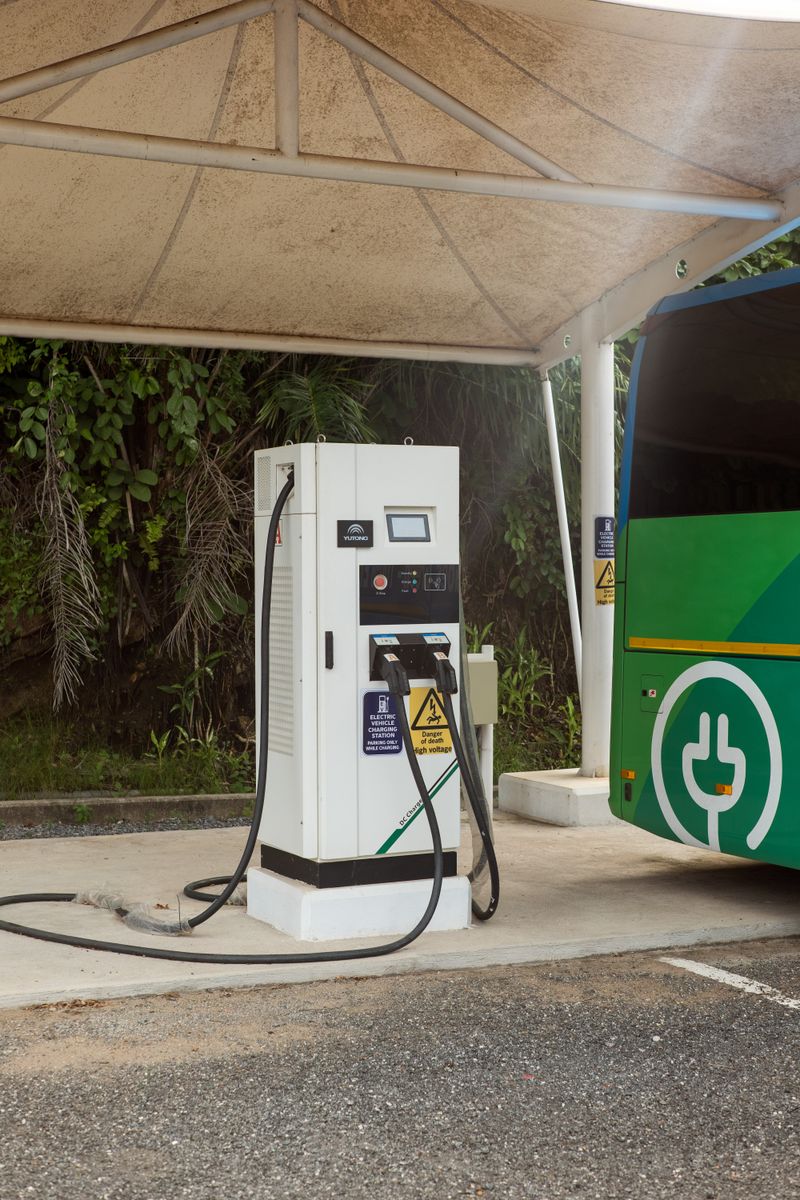
Global sales of electric trucks and buses nearly doubled in 2025, crossing the half-million-unit mark for the first time, according to new data from the International Council on Clean Transportation (ICCT) published on Thursday.
China drove most of that growth. The country accounted for close to 90 percent of global electric truck and bus sales last year, with its medium- and heavy-truck segment more than quintupling over two years. Other markets also moved, if more slowly: the European Union and India both recorded double-digit increases, the researchers said.
The numbers matter because commercial vehicles are the hardest part of transport to electrify. A delivery truck hauls many tonnes of cargo, runs long shifts, and needs big batteries that add weight and cost. The fact that sales in that segment are now doubling year on year suggests the technology has moved past the pilot stage in a meaningful slice of the market.
China's numbers are on a different scale
The ICCT data, reported by Reuters, shows electric trucks and buses crossing the 500,000-unit mark globally in 2025, up 86 percent year on year. Within that total, zero-emission heavy trucks sold in China surpassed 450,000 units, reaching a quarter of all heavy truck sales in the country.
That scale has no equivalent anywhere else. China's medium and heavy truck segments more than quintupled in two years, a pace that reflects local battery supply chains, aggressive subsidies, and a freight industry that runs on tight margins. When electric trucks cost less to operate per kilometer, Chinese fleet owners switch fast.
Outside China, the picture is more modest. Battery electric truck sales reached about 41,000 units globally excluding China in 2025. Battery electric buses fared better: excluding China and the United States, they accounted for 56 percent of zero-emission medium- and heavy-duty vehicle sales, with the EU and India leading volumes at roughly 9,800 and 5,000 units respectively.
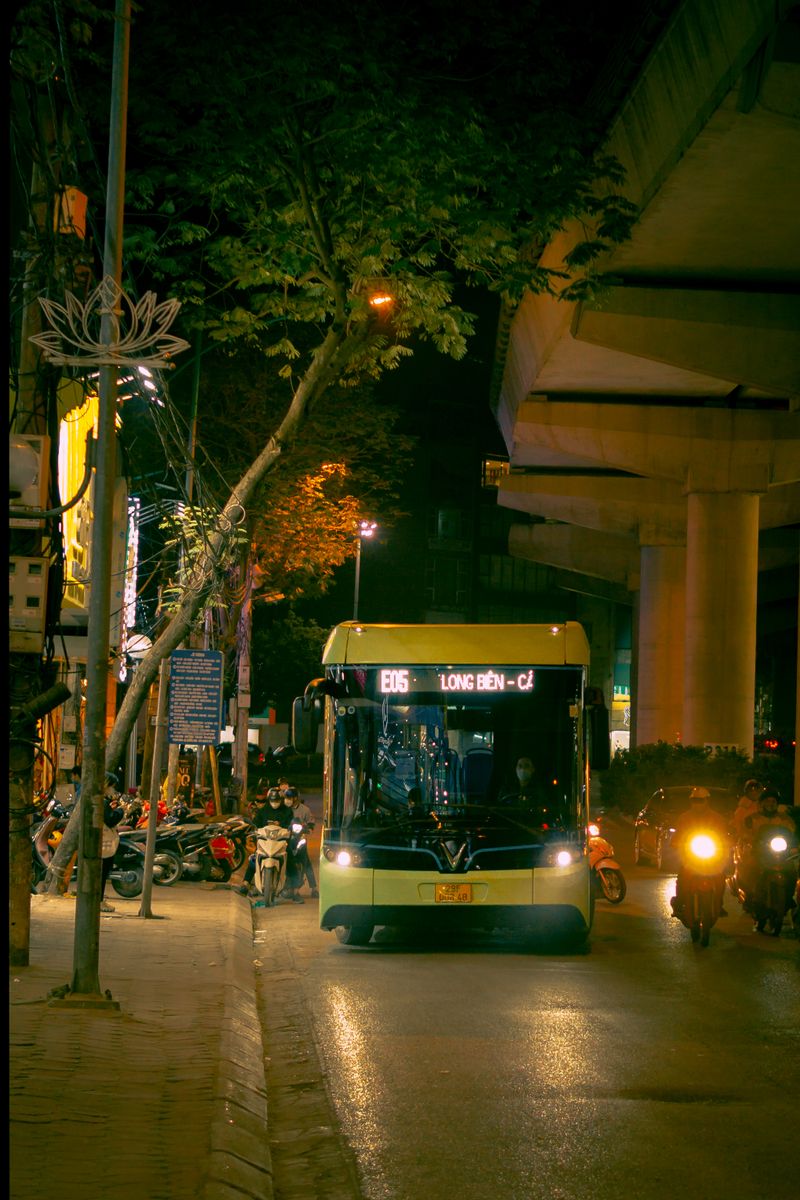
Europe passed its first CO2 test for trucks
Europe had a good year by its own standards. The ICCT's separate race-to-zero analysis of the European heavy-duty market found nearly 24,000 electric trucks and buses were registered across the region in 2025, up 60 percent from 2024. Electric trucks reached a 4.5 percent share of new truck sales, and electric buses took 25 percent of bus sales.
City buses lead the way. In 2025, 58 percent of new city buses sold in Europe were electric, and Slovenia, Romania, the Netherlands, Estonia, and Denmark bought only zero-emission urban buses. Electric bus uptake in Europe aligns with broader global trends: BloombergNEF's Electric Vehicle Outlook 2026 found more than 20 countries recorded majority-electric municipal bus sales in 2025, with city buses the most electrified vehicle segment on the road.
Trucks are the laggard, but they are finally moving. The EU's first CO2 standards for heavy-duty vehicles took effect on July 1, 2025, demanding a 15 percent cut in emissions from new 4x2 and 6x2 trucks above 16 tonnes versus 2019 levels. Registrations of zero-emission trucks covered by the rules rose 52.5 percent in 2025. Mercedes-Benz, which had lagged the targets, sold 1,400 zero-emission heavy trucks last year on the strength of its eActros model, making it the EU's biggest seller in that segment. Renault Trucks sat near a 3 percent zero-emission share, Volvo Trucks around 2 percent.
BloombergNEF projects electric and fuel cell buses will represent roughly 60 percent of global bus sales by 2030, versus 17 percent for medium- and heavy-duty trucks and 34 percent for light commercial vehicles. It also expects most markets to reach fully zero-emission city bus sales by 2040, with the Nordics potentially earlier.
What it means for Southeast Asia
The global figures frame a quieter shift happening closer to home. Indonesia's TransJakarta has been running electric buses on its bus rapid transit network since 2021 and carried out its first locally assembled electric bus trial in 2025, part of a push to build domestic assembly capacity rather than importing complete buses. The Institute for Transportation and Development Policy found TransJakarta's electric buses already had operating costs per kilometer about 5 percent below the diesel fleet in 2024.
That cost gap matters for a country where public transport budgets are tight, and it mirrors the logic driving China's numbers: once the per-kilometer math works, electrification stops needing policy pressure to happen. Jakarta's transit agency showcased its progress at Busworld 2026 in August, reinforcing the city's position as Southeast Asia's fleet-electrification hub.
The takeaway from the ICCT data is straightforward. Buses have effectively crossed the threshold from niche to normal in large parts of the world, and trucks are now following the same curve, led by China and pushed in Europe by regulation. For operators in Indonesia and the wider region, the economics that drove half a million global sales are already visible in local fleets, and the gap in purchase price keeps narrowing as battery costs fall.
Why buses went first
Buses electrify faster than trucks for a practical reason: they return to a depot every night. A city bus runs a fixed route, comes back to the same yard, and can plug into the same chargers on a schedule, which means operators never depend on a public charging network that barely exists. Trucks, by contrast, cross borders and cover regions where charging points along freight corridors remain scarce.
That structural advantage shows up in the sales data. The ICCT's Europe analysis found zero-emission uptake in the medium-duty segment between 3.5 and 12 tonnes nearly doubled its market share from 10 percent in 2024 to 21 percent in 2025, helped mostly by heavy vans doing predictable urban rounds. Long-haul trucks above 12 tonnes, the segment that needs the most charging infrastructure, still sits in low single digits in Europe despite the new CO2 rules.
The pattern repeats across regions, which is why researchers at BloombergNEF expect buses to keep running ahead of trucks for the rest of the decade. Charging logistics, not battery chemistry, has become the binding constraint in the commercial vehicle transition.
"The only real question left is charging infrastructure," is the way one fleet manager put it in Jakarta recently, echoing a concern that shows up in market data everywhere. The ICCT's answer, in effect, is that sales growth is running well ahead of the charger build-out, and that gap will shape the commercial vehicle market for the rest of the decade.
Reuters reported the ICCT figures on Wednesday, and the full ICCT analysis is available through its race-to-zero quarterly publications. For more context on how electric vehicles fit into Indonesia's transport plans, see the EV section of this site.
Sources: Reuters via AOL, Business Times Singapore, ICCT press release on Europe's heavy-duty market, BloombergNEF Electric Vehicle Outlook via Sustainable Bus, ITDP on Indonesia's electric bus roadmap.