Ferrari has sold every Luce it plans to build this year. The company's first fully electric car cleared its 2026 allocation of just under 500 units within two months of launch, according to the Financial Times, and new customer orders are now stretching into 2027. Deliveries have not even started yet — the first cars reach buyers in October. Electrek confirmed the sellout, noting that Ferrari cleared its entire 2026 order allocation before a single customer car has been delivered.
The milestone matters because it happened in a market that is turning against electric cars. US EV sales fell 28 percent year on year last month, Cox Automotive reported, and the segment's share of new vehicle sales slipped to 5.4 percent. Lamborghini scrapped its Lanzador EV in 2025, with its CEO arguing customers were "not ready." Ferrari itself halved its 2030 electrification target to 20 percent of its lineup last October. And yet the most controversial car the company has built in decades is effectively sold out.
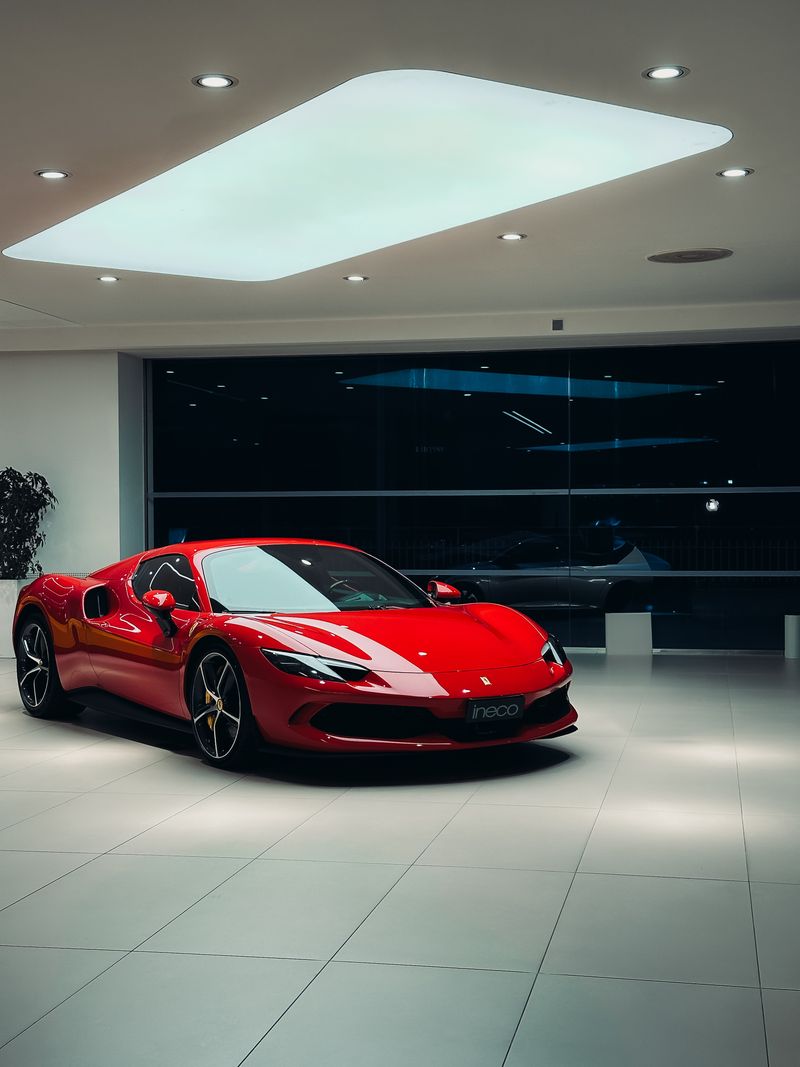
A Design That Split the Internet
The Luce launched in Rome on May 25. The reception was brutal. Ferrari's share price dropped 6 percent in the days around the reveal, and the design was torn apart online. Former Ferrari chairman Luca di Montezemolo told Italian media the company should "at least take the prancing horse off" the car. "This is definitely a car that, at least, the Chinese won't copy," he added.
The car looks nothing like a typical Ferrari. It was designed with Jony Ive and Marc Newson through their LoveFrom studio, and it shows: rounded surfaces, unusually large wheels, and four doors instead of two. It is a family Ferrari, not a two-seat supercar, and that alone offended a portion of the brand's traditional fanbase.
None of that mattered to the people writing the checks. A senior Ferrari executive told the FT that the car's unconventional look was driven by aerodynamic requirements and needed to be "digested" before it is understood. The order book disagrees with the internet: Ferrari filled its 2026 production slot before a single customer car had been delivered. Fortune noted the backlash led to Ferrari's shares falling 8 percent in a single day back in May, making the two-month sellout all the more striking.
What the Buyers Are Getting
Under the styling fight sits a serious piece of engineering. The Luce packs more than 1,000 horsepower from four independent motors, a 122 kWh battery on an 880-volt architecture, and 350 kW charging. Ferrari quotes more than 530 km (330 miles) of range and a 0-100 km/h time of 2.5 seconds. It is not a badge on someone else's platform.
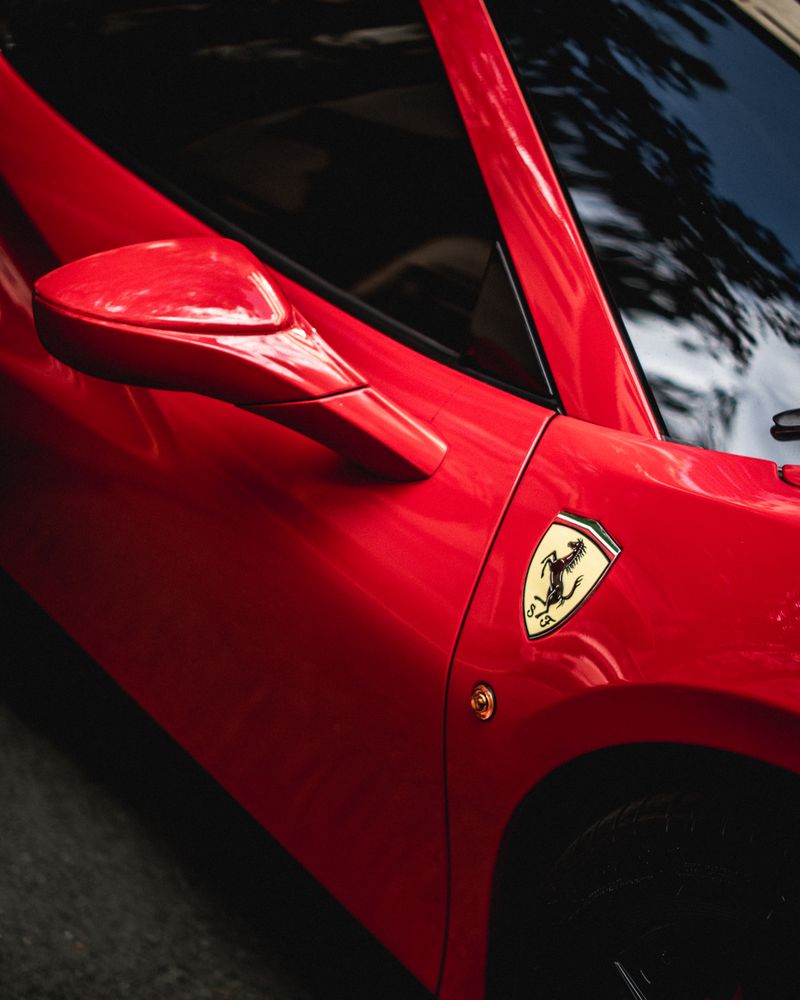
Ferrari developed the electric core in-house. The motors use Halbach array rotors, the silicon carbide inverters run at 93 percent efficiency, and an active electric suspension reads the road with one-millisecond latency. That is the part CEO Benedetto Vigna keeps coming back to in earnings calls — the Luce is where Ferrari's EV expertise gets built and paid for by buyers who do not blink at a six-figure price tag.
The price is €550,000, about $640,000, which places the Luce near the top of Ferrari's lineup. The company set a 2026 target of just under 500 units, and the Financial Times reported on Wednesday that the quota was filled in less than two months. Ferrari's longer-term plan is to sell 2,500 Luce units a year by 2030.
China Is Leading the Order Book
The demand is coming heavily from China, the market where the Luce was an instant sellout in June. Vigna said in May that the car was "clocking up orders" from both existing and new customers, with the order book already stretching toward the end of 2027. Ferrari has positioned the Luce as its way into wealthy Chinese and Silicon Valley buyers who are already comfortable driving electric cars.
The company has been careful not to push its traditional customers. It warned dealers not to pressure buyers accustomed to its gasoline models to switch to EVs, according to the Financial Times. The strategy appears to be working: Ferrari's existing client base keeps buying the internal-combustion cars, while a new pool of buyers steps in for the electric four-door.
A Rare Piece of Good News for EVs
Ferrari's sales achievement lands at an awkward moment for the wider industry. After the US eliminated the federal EV tax credit in September, new EV sales collapsed 49 percent month over month in October, according to Cox Automotive. Last month they fell 28 percent from a year earlier, and the EV share of US new vehicle sales slipped from May's level.
Other luxury brands have retreated. Lamborghini, owned by Volkswagen through Audi, canceled its $300,000 Lanzador in 2025, with CEO Stephan Winkelmann saying the market was "not ready." Mercedes-Benz and Porsche have also walked back parts of their electric ambitions. Ferrari's decision to halve its own 2030 target to 20 percent all-electric was part of that same wave, reported by Yahoo Finance at the time.
Against that wave, a €550,000 EV selling out in two months stands out. It does not prove the mass market is coming back — the Luce is a scarcity play, and Ferrari built fewer than 500 of them for 2026. But it does prove that at the top of the market, the electric pitch still lands.
The Numbers Behind the Hype
Ferrari reported second-quarter revenue of €1.94 billion ($2.2 billion) on Thursday, beating analyst expectations. The company raised its full-year outlook to €7.6 billion ($8.7 billion), up from €7.5 billion, and said its order book was full through 2027. Shares were up about 3 percent on the New York Stock Exchange after the results.
"Ferrari rarely raises its guide in Q2, favoring instead to do so in Q3, and as such we view this a positive indicator for the remainder of the year," RBC Capital Markets analyst Tom Narayan told CNBC.
The Luce numbers are tiny by volume standards — under 500 cars is a rounding error against mass-market EV output — but they carry an outsized signal. Ferrari's business model runs on scarcity, and scarcity just sold out. The question now is what Ferrari does with the electric expertise it is building: the motors, the 880-volt architecture, the power electronics, the active suspension. The €550,000 four-seater is where that technology gets proven. A cheaper, smaller Ferrari EV is where it would get dangerous for the competition.
What Comes Next
Ferrari's next steps are already mapped out. Deliveries of the Luce begin in October, and the company has promised a fuller update on the car's market reception. The order book through 2027 means production is locked for the foreseeable future. Ferrari will keep selling the gasoline cars that built its reputation, and it will keep the electric line running in parallel.
The bigger story is what this means for the EV market at large. A luxury electric car selling out while the US mass market retreats says something about where demand actually lives right now: at the extremes. Budget buyers in America are hesitating without the tax credit. Ultra-wealthy buyers in China and California are lining up for a €550,000 Ferrari. The middle is the part that is struggling.
Ferrari's experience also offers a lesson in brand power. The Luce was mocked relentlessly online, and it still sold out. Customers were not buying the design consensus — they were buying the badge, the allocation, and the promise of what Ferrari builds next. As Vigna put it this week, the company is "very pleased with how orders are proceeding."
The real test comes after October, when the first Luce cars hit the road and the depreciation curve starts doing its work. Ferrari's scarcity model has held up for decades on gasoline cars. The electric version is about to find out if it holds up too.
For more on how electric vehicles are reshaping the industry, see our Battery Tech coverage and the latest on EV charging infrastructure.