European EV Market Surges to 24% Share in July 2026
European car buyers are accelerating the transition to electric, with battery electric vehicles capturing a quarter of all new registrations last month.
Record-Breaking Market Share in July 2026
In July 2026, battery electric vehicles (BEVs) reached a 24% share of all newly registered vehicles across Europe, shattering previous records and marking a 5-percentage-point increase compared with July 2025. This milestone brings the year-to-date average to 22%, surpassing the 2025 full-year average by three percentage points.
The surge reflects consumer response to improving charging infrastructure, expanded model availability, and persistent high fuel prices across the continent. Industry analysts note that the market has reached a tipping point where electric vehicles are no longer a niche choice but a mainstream option for new car buyers.
Largest Markets Lead the Electrification Push
Germany and France, Europe's two biggest car markets, continue to dominate the electric transition. Germany registered a 26% BEV share in January–July 2026, an 8-percentage-point increase year-on-year, while France achieved 29%, up 11 percentage points. Together, these two markets account for nearly 40% of all European new car registrations.
The Nordic countries lead the continent in electrification. Norway reported a 98% BEV share year-to-date, while Denmark reached 80%, Finland 49%, and Iceland 44%. Sweden, the Netherlands, and Belgium all exceeded 35% market share. In Poland, Europe's fifth-largest market, the battery electric share remained unchanged at 5% but total new registrations increased by 12% compared with the same period in 2025.
Automaker Performance Diverges
The data reveals a sharp divide between manufacturers who have embraced electrification and those still catching up. The BMW Group led all premium automakers with a 29% BEV share in the first seven months of 2026. The Mercedes-Benz Group recorded a 9-percentage-point increase in battery electric car shares compared with January–July 2025.
Hyundai and Renault each recorded increases of 7 percentage points. Toyota, long reliant on hybrid technology, more than doubled its battery electric share from 4% to 10% — a remarkable pivot that underscores the industry-wide shift. Even Volkswagen, Europe's largest seller by volume, increased its plug-in hybrid share by 2 percentage points, though its overall electric transition has been more measured.
Among individual car brands with market shares of 1% or greater, Tesla and BYD had the greatest over-compliance at 92 g CO2/km and 74 g CO2/km respectively, below their projected brand-level average targets for 2025–2027 at the end of July 2026. Volvo, Mini, and Cupra also performed well, each below their targets.
CO2 Targets Within Reach — But Challenges Remain
The EV boom has brought average CO2 emissions fleet-wide to 93 g/km (excluding compliance credits), placing manufacturers within reach of the EU's 93 g/km target for the 2025–2027 period. However, the Volkswagen pool — accounting for 26% of the market — remains 7 g/km above its target, the furthest of any major manufacturer.
Compliance credits earned by selling zero-emission vehicles and deploying eco-innovations have helped many manufacturers meet their obligations. For the full reporting period from January 2025 to July 2026, adjusted emissions stood at around 94 g CO2/km. When including compliance credits, manufacturing pools thus remained 1 g CO2/km short of the average target of 93 g CO2/km for the 2025–2027 period.
Together, the BYD pool (45 g CO2/km below), the Tesla pool (8 g CO2/km below), Nissan (4 g CO2/km below), the Mercedes-Benz pool (3 g CO2/km below), the Toyota, BMW, and Kia pools (each 2 g CO2/km below), and the newly formed Porsche pool (1 g CO2/km below) were all on track to meet their 2025–2027 targets. These pools accounted for approximately 48% of new registrations in January–July 2026.
At the other end of the spectrum, the Volkswagen pool, which accounted for the largest market share (26%), exceeded its target by 7 g CO2/km. Its emissions did not change markedly with the departure of Porsche from the pool.
Powertrain Performance and Emissions
Of all powertrain types, battery electric cars have the largest potential to reduce total CO2 emissions. When looking at new registrations of internal combustion engine vehicles (including hybrids and mild hybrids) alone, CO2 emissions averaged 130 g CO2/km in January–July 2026. Including plug-in hybrids reduced the average to 120 g CO2/km, while the increasing market share of battery electric vehicles reduced average CO2 emissions by an additional 27 g CO2/km.
The Mercedes-Benz Group stood out among top manufacturers with some of the highest average emissions despite also having the highest combined share of PHEVs and BEVs. This was largely due to the high-average CO2 emissions of the Group's non-electrified powertrains, which stood at about 159 g CO2/km — the highest level among Europe's largest carmaker groups. By contrast, the Toyota Group, which has a focus on hybrid powertrains, recorded average CO2 emissions below its 2026 target.
Infrastructure and Consumer Adoption
The rapid market growth has outpaced charging infrastructure in some regions. While Nordic countries benefit from dense rapid-charging networks, larger markets like Germany and France are expanding capacity to keep pace with rising EV adoption. Consumer surveys indicate that range anxiety has fallen below 30% for the first time since 2020, though public charging reliability remains a concern in eastern European markets.
New car buyers considering electric vehicles now have over 100 battery electric models available across Europe, up from roughly 60 models two years ago. The expanding model range, combined with falling total cost of ownership estimates, has contributed to rising consumer confidence.
Looking Ahead to 2027 and Beyond
With BEV market share already at 22% year-to-date in July 2026, the industry faces the question of whether this momentum can sustain through 2027 and beyond. If current growth rates continue, Europe could reach 30% BEV share by end-of-year 2026 — a threshold that would reshape the continent's vehicle market and accelerate the phase-out of internal combustion engine vehicle development.
The European Union's 2035 deadline for phasing out new internal combustion engine vehicle sales creates additional momentum. Carmakers are investing billions in new electric platforms, with many promising all-electric lineups by the early 2030s. However, the pace of charging infrastructure expansion, raw material supply for batteries, and consumer affordability remain key variables.
The International Council on Clean Transportation's European Car Market Monitor July 2026 provides the comprehensive data underpinning this analysis. The full report is available at icct.org.
Image Credits
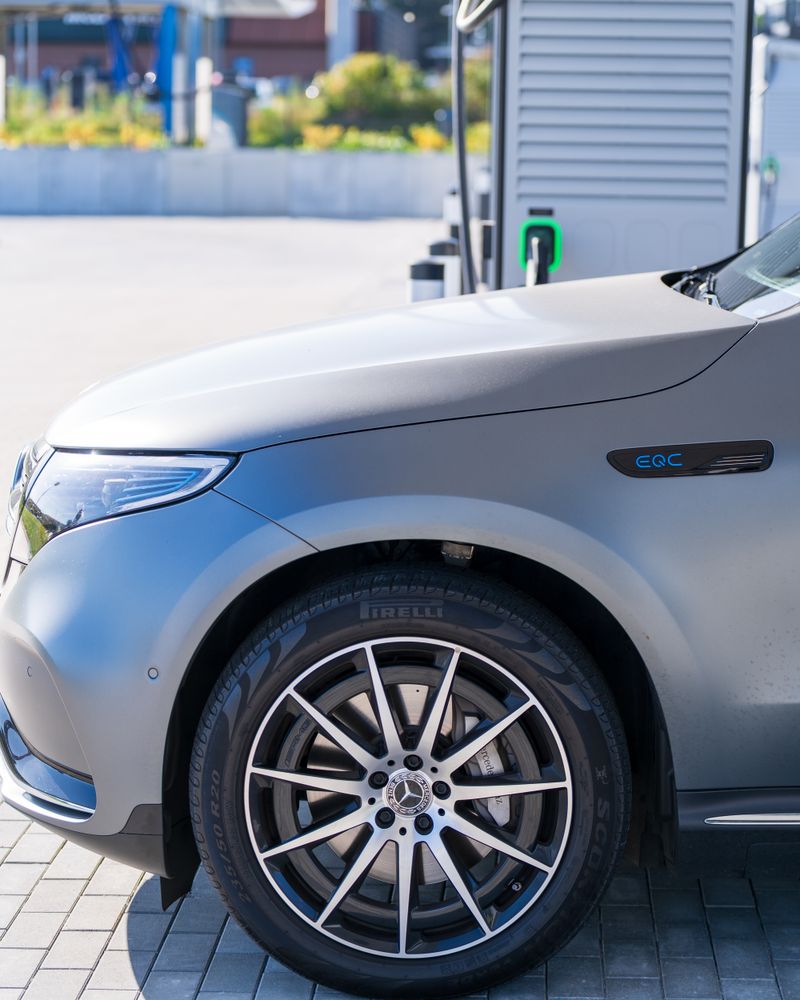 Electric vehicle charging in an urban setting — photo by Pexels user
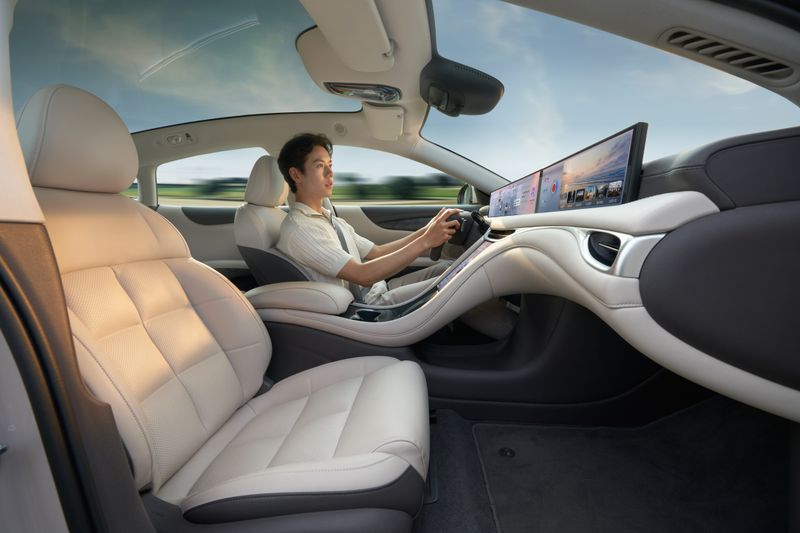 Modern electric car interior — photo by Pexels user
Keywords
electric vehicles, EV market, European car sales, battery electric, automotive industry, transportation policy, ICCT, July 2026 EV data