Europe's Affordable EV Wave Collides With the Rules That Made It

Europe's electric car market crossed a threshold in 2026 that carmakers spent most of the last decade promising and never quite delivering: a real supply of cars most people can afford to buy. Transport & Environment, the Brussels based campaign group behind the annual EV progress report, published new figures this month showing that sales of battery electric cars starting below 25,000 euros are on track to rise sevenfold in 2026 compared with 2024. The number of models in that price band available to buyers has doubled over the same stretch, and almost 40 new electric launches reached the market in the first half of the year alone. Roughly 60 more are expected before the end of December.
That is close to four times the average of 15 new models per year the same market produced between 2021 and 2025. Total battery electric sales in the European Union reached 1.64 million units between January and August, 45 percent more than the same window a year earlier. In the second quarter, battery electric cars outsold pure petrol cars across a full quarter for the first time in the bloc's history, on a 22 percent share. The group's own framing calls this a pivotal year for EV availability, and it is careful about what got it there.
The Demand the Industry Said Was Missing
Lucien Mathieu, cars director at Transport & Environment, pointed at the Volkswagen ID.Polo, which sold out with more than 40,000 orders and a ten month waitlist. "European drivers are finally seeing more of the smaller and more affordable electric cars they have been waiting for," he said. "European car makers were complaining about the lack of demand for a long time. Now we can clearly see: the issue was not the demand, but what they had to offer."
That is a pointed correction to years of public arguments about consumer appetite. It also sits alongside pricing data from the organisation's earlier progress report, published in March: average battery electric prices fell 4 percent, roughly 1,800 euros, in 2025, to an EU average of 42,700 euros. The small B-segment class where the affordable wave lives dropped 13 percent, put at about 4,600 euros. The same analysis argues the shape of the range has been the real obstacle: had carmakers not steered customers toward larger and more expensive vehicles, average prices could have been 23 percent lower than they were.
Why Targets Are What Bought the Affordability
Transport & Environment is specific about the instrument that produced this shift. It is the EU's car CO2 targets, which tightened in 2025 after a short and commercially painful delay, and which now set the product plan carmakers are building around. When the targets sat flat between 2021 and 2024, the group notes, manufacturers had limited incentive to put affordable electric models on the shelf, and the small segments the market now suddenly has simply did not exist. All carmakers are expected to meet the 2025 to 2027 targets, and the three carmaker pools that make up roughly half the market already had, including BMW, the Mercedes-Volvo grouping and the Tesla pool that also contains Stellantis and Toyota.
The problem is that this is a review year. The European Commission has opened a review of the car CO2 standards and floated flexibilities the industry wants, chief among them five-year target averaging from 2030. The group's modelling says that single change would cut the projected electric share of the market in 2030 from 45 to 60 percent under a three-year average down to 30 to 50 percent, and would soften the 2030 targets of Renault and Stellantis by roughly 20 and 18 percentage points respectively. Weakening the 2030 target, the report says, would choke off the affordable wave by around three quarters, right as it reaches the market.
The Fuel Price Clock Is Also Ticking
There is a second force at work and it is not regulatory goodwill. The same analysis puts the cost of the oil price shock to EU road users at 53 billion euros, and notes that filling a 50 litre diesel tank now costs about 30 euros more than before the war in Iran began. A driver who switched to an electric car at the start of the crisis would have saved around 350 euros in running costs by mid September. The framing does quiet work in the argument: it recasts electrification as a pocket matter rather than a climate obligation, which is closer to how most buyers actually decide.
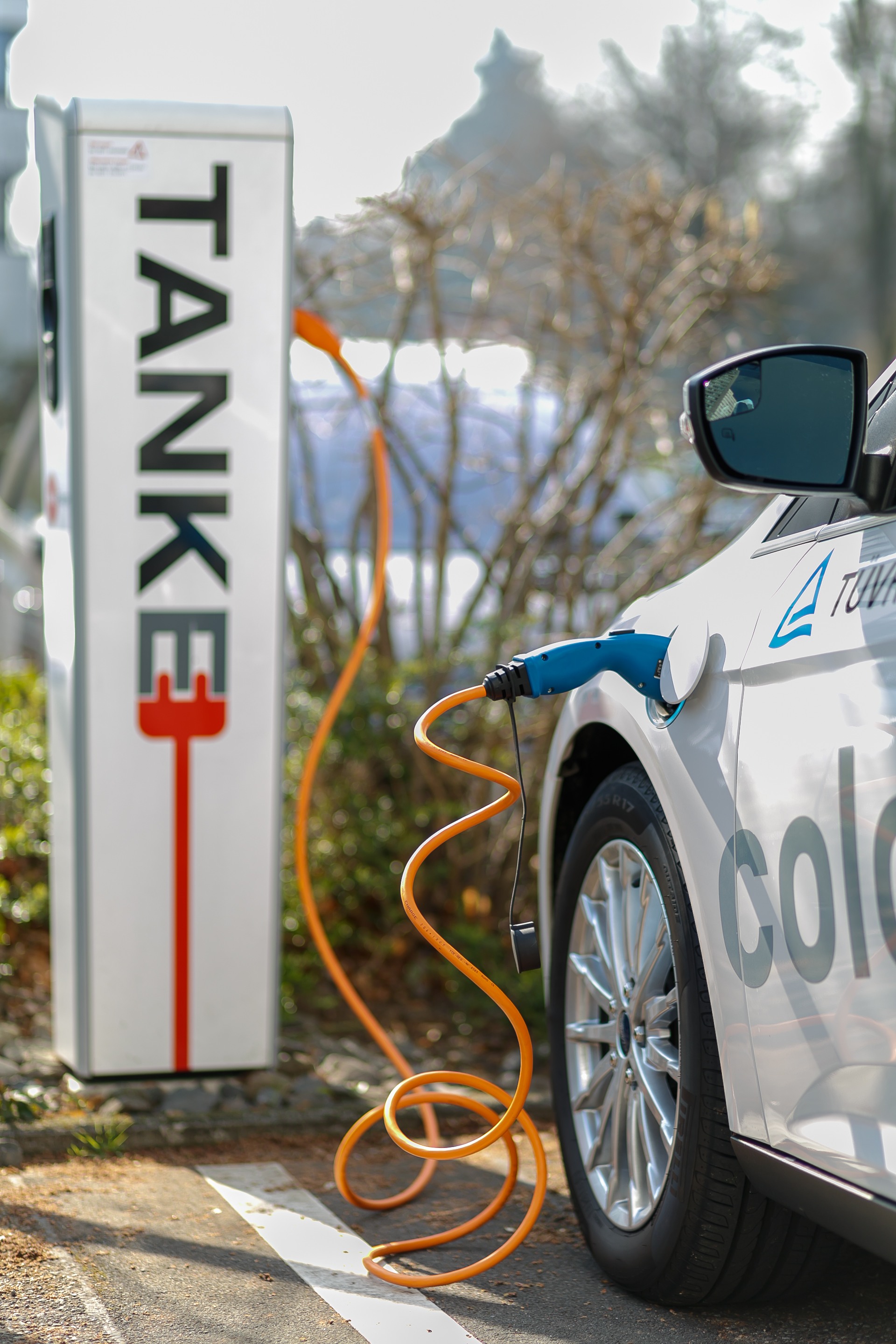
Infrastructure, meanwhile, is not the limiter buyers assume it is. The EU public charging network passed one million chargers in 2025, every member state met its annual deployment target that year under the Alternative Fuels Infrastructure Regulation, and 96 percent had already met their 2026 obligation twelve months ahead of schedule. By the end of 2025 some 83 percent of the core continental highway network had ultra-fast charging in place, meeting its own target for that year.
A Global Race With Losing Patience
While Europe argues over averaging windows, the rest of the market has simply moved. Battery electric shares in 2025 reached 34 percent in Vietnam, 32 percent in China, 20 percent in Thailand, 18 percent in Indonesia and 17 percent in Turkey. Several of those are emerging markets carrying infrastructure budgets a fraction of Europe's and selling electric cars that undercut most European offers. Chinese plug in hybrid models, the group notes, have multiplied fivefold in the EU since 2024 and now outsell German premium brands in that segment, with larger batteries and longer electric range than the European products they compete against. BYD and SAIC lead that fold, and neither appears interested in conceding ground while regulators debate.
This is the uncomfortable context behind the review. If the EU holds the 2030 and 2035 targets, price parity between electric and combustion cars is reachable across all segments by 2030 on the analysis, with the premium and large segments already there in 2024. If the targets are diluted, carmakers are expected to prioritise margins, pushing parity past 2030 and adding an estimated 2,300 euros to the average electric model's price tag.
What Happens Next
The review decision is where the arithmetic stops being a debate. Carmakers told the Commission the 2025 target would cost them 15 billion euros in fines; the group's analysis puts the true figure at most 2 billion euros had the standard even been enforced on schedule, and notes the eventual outcome was probably close to zero because the target was anyway relaxed. The same companies, on their own investor calls, have confirmed they expect margin or price parity before 2030.
What happens in the next two years decides whether the affordable wave remains real or unravels. Europe's drivers already have more than 150 mass market electric models to choose from, sub 25,000 euro cars are finally in showrooms and selling fast, and charging coverage has stopped being an argument against switching. The only piece left unfinished is the regulation that demanded all of it, and that piece is currently on the table. Buyers got what they asked for; whether the industry is still required to supply it is a separate question, and one Brussels is not done answering. For more in this space see our other EV coverage.