ERP 2.0 Is Coming to Singapore's Roads: How Satellite-Based Pricing Will Replace Physical Gantries by January 2027
Introduction
Starting in October 2026, drivers across Singapore will begin seeing new blue oval road markings and updated signage along expressways and arterial roads — the first visible signs of a major transformation that will see the island state's iconic Electronic Road Pricing (ERP) gantries physically removed and replaced by a satellite-based, GNSS-enabled system. The transition to ERP 2.0, which is scheduled to go live in full on January 1, 2027, represents the most significant overhaul of Singapore's congestion-pricing infrastructure since its original debut in 1998, and the changes underway this month affect every vehicle owner on the road, including the growing population of electric vehicle drivers who rely on digital integration for charging and navigation.
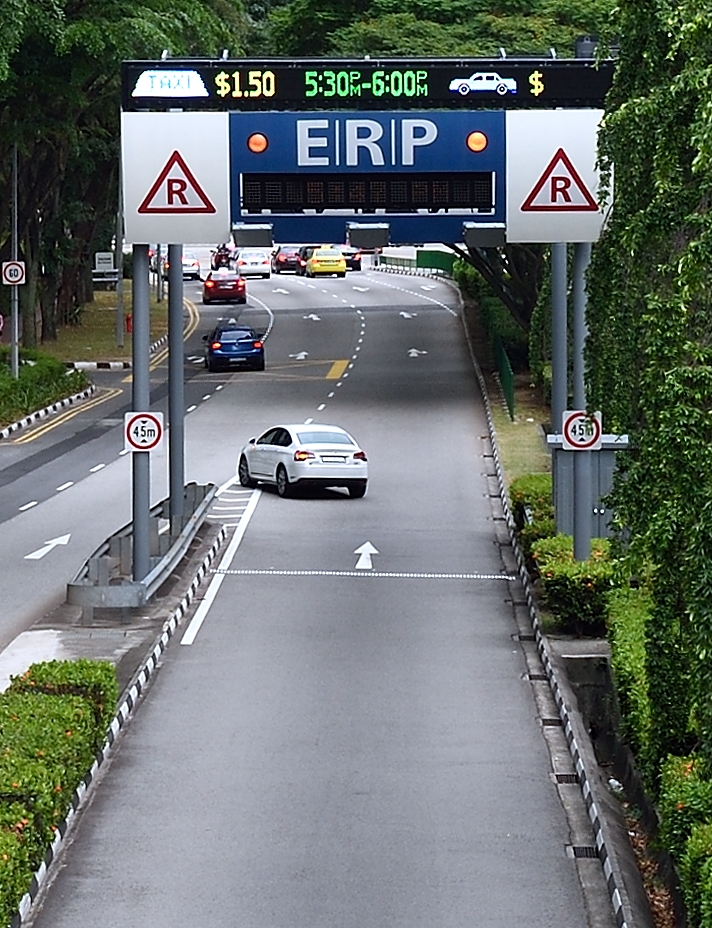
The new system — which uses Global Navigation Satellite System technology instead of overhead gantries — promises to eliminate the physical structures that have defined Singapore's roads for nearly three decades. For electric vehicle owners, the shift carries particular weight: their vehicles' built-in connectivity and digital dashboards make them natural early adopters of the new On-Board Unit (OBU), and the satellite-based charging model dovetails with the broader trend toward integrated, software-defined transportation services.
The End of Physical Gantries
The Land Transport Authority (LTA) announced that implementation of the new road markings and signs will begin progressively from October 2026 across the existing 33 ERP operational locations, with works completed ahead of the January 2027 transition. The markings feature two blue oval "ERP" symbols painted on each lane of arterial and slip roads, and three symbols on each lane of expressways for greater visibility at higher speeds. A new "ERP Charge Zone" road sign will also be placed at the start of each charging location as an additional visual cue for motorists who are used to looking for the towering gantries that have stood sentinel over Singapore's expressways since the 1990s.
The removal of physical ERP gantries will proceed in two phases. The first phase removes 62 non-operational gantries, while the remaining 33 operational gantries will be taken down after gantry-based ERP charging ceases on December 31, 2026. In total, all 95 gantries are expected to be fully removed by June 2027. At some locations, however, gantry frames may be retained and repurposed with roadside units to support satellite connectivity, meaning the physical infrastructure will not disappear entirely but will be reimagined as distributed network nodes rather than charging points.
The move away from physical gantries addresses several longstanding limitations. Gantry-based systems require drivers to slow down or stop at fixed points, creating bottlenecks and limiting where charges can be collected. The satellite-based approach, by contrast, allows the ERP boundary to be defined anywhere along a road segment, giving planners far more flexibility to implement dynamic congestion pricing zones. For electric vehicle drivers, who are often early adopters of connected car technology, this flexibility is particularly valuable: an OBU with GNSS capability can integrate seamlessly with an EV's own navigation and telematics systems to provide real-time charging-location recommendations alongside ERP charge notifications.
What ERP 2.0 Means for EV Owners
Under ERP 2.0, all Singapore-registered motor vehicles must be fitted with the new On-Board Unit (OBU) to travel on public roads, with the transition deadline set for January 1, 2027. To date, more than 98 percent of eligible Singapore-registered vehicles have already completed the installation, indicating strong early adoption. The OBU is a three-part system comprising a processing unit installed under the dashboard, an antenna mounted at the front of the vehicle, and a separate touchscreen display that replaces the old single-box In-Vehicle Unit. Because the new unit is GPS-enabled, it can do more than simply deduct tolls — it can display the driver's CEPAS card balance, the current time, and location-based alerts such as speed-camera warnings and speed-limit information.

For electric vehicle owners, this expanded functionality is more than a convenience. An EV's large infotainment screen and integrated telematics can potentially display ERP 2.0 data alongside range estimates, charging-station availability, and battery-state-of-charge indicators, creating a single pane of information that helps drivers make better decisions about routes and stops. The GPS-triggered nature of the new system also means that ERP charging zones can be dynamically adjusted based on real-time traffic conditions, which could allow congestion pricing to be relaxed in areas where the electrical grid is under stress or where charging infrastructure is limited — a feature that would be difficult to implement with fixed gantry locations.
The transition also has implications for how EV drivers pay. Under the old system, each gantry passage triggered a one-time deduction from the driver's stored-value card. Under ERP 2.0, the OBU can calculate charges based on distance travelled within a pricing zone, opening the door to more granular pricing models that could charge shorter trips less and longer trips more. This distance-based approach aligns well with how EV owners already think about their vehicles: in terms of energy consumed per kilometre, not fuel purchased per litre. A driver who knows that an ERP zone will add a distance-based charge to their journey can plan more effectively, and the OBU's integration with an EV's navigation system could even suggest alternative routes that minimize total cost — ERP plus electricity — rather than simply the shortest travel time.
Infrastructure Reuse and Satellite Connectivity
One of the most technically significant aspects of the ERP 2.0 rollout is the repurposing of gantry frames as roadside units (RSUs) for satellite connectivity. As LTA explained in its September 28 statement, while physical ERP gantries are no longer needed for toll collection under the new GNSS-based system, their elevated positions make them ideal mounting points for communication equipment that supports the satellite infrastructure. This approach avoids the cost and disruption of installing new towers while leveraging existing infrastructure that was built to withstand Singapore's tropical weather conditions.
The reuse of gantry mounts for RSUs is a textbook example of how transportation infrastructure can evolve rather than be abandoned. Instead of leaving empty concrete foundations on the side of the road — as many cities have done when decommissioning old toll systems — Singapore is converting each site into a node in a distributed communication network. The RSUs can support not only ERP 2.0's GNSS correction services but also other connected-vehicle applications such as real-time traffic updates, hazard warnings, and even vehicle-to-everything (V2X) messaging that could benefit electric vehicle fleets and autonomous-driving pilot programs.
For EV charging infrastructure, this distributed connectivity has indirect but meaningful benefits. A robust RSU network improves the reliability of connected-car services that EV drivers use daily, from locating available charging points to pre-conditioning battery packs before arrival at a charger. If the RSUs can also serve as data-collection points for traffic and air-quality sensors, the same infrastructure that manages congestion pricing could help optimize the placement of future charging stations based on actual usage patterns rather than projected demand.
Enforcement and Data Safeguards
The ERP 2.0 system is designed primarily for payment and congestion management, but LTA has indicated that it will also enhance enforcement capabilities against vehicle-related offences. Between May and July 2026, ERP 2.0 data was already used to detect 60 instances of suspicious behaviour involving 31 unique foreign vehicles, according to the authority. Formal enforcement against illegal cross-border taxi and ride-hailing services will begin in September, using the system's location-tracking and payment-verification features to identify vehicles that may not be properly registered or that are operating without valid licences.
While the expanded enforcement capabilities raise privacy concerns — particularly for EV owners who may already be tracked through their vehicles' connected services — LTA has emphasized that all access to and use of ERP 2.0 data is limited to authorized purposes and subject to strict safeguards governing collection, use, and security. The authority stated that it adheres to government-wide standards for data security and that sharing of data to support policy and planning purposes is done on an anonymized or aggregated basis. Criminal penalties apply for unauthorized disclosure and improper use of information.
The enforcement applications of ERP 2.0 are relevant to EV adoption in a subtle but important way. Illegal street-hail services that compete with licensed taxis and ride-hailing platforms can undermine confidence in public transportation and reduce incentives for commuters to switch from private vehicles to shared mobility. By cracking down on unlicensed operators, the ERP 2.0 system indirectly supports the broader public-transport ecosystem that EV-sharing and car-sharing services depend on for integration. Clean-air zones that restrict combustion-engine vehicles while allowing electric vehicles are another potential application, as authorities gain the technical ability to identify vehicle types and flag non-compliant entries in real time.
Looking Ahead
The ERP 2.0 transition is part of a broader reimagining of how Singapore manages its roads as the nation moves toward greater electrification and automation of its vehicle fleet. The next quarterly review of ERP rates is scheduled for mid-November 2026, and LTA has indicated that it will continue to monitor traffic conditions and introduce appropriate congestion-management measures as needed. The congestion-pricing framework remains unchanged during the transition, but the removal of physical gantries and the introduction of GNSS-based charging open the door to more sophisticated pricing models that could differentiate between vehicle types, trip distances, and time periods in ways that the old system could not support.
For electric vehicle owners in Singapore, the rollout of ERP 2.0 represents an opportunity as much as a change. The new system's integration with digital payment methods, real-time navigation, and location-based services makes it a natural fit for the software-centric architecture that defines modern electric vehicles. As the city-state continues to expand its charging network and introduce policies to accelerate EV adoption, the ERP 2.0 infrastructure provides a communications backbone that could support future innovations in mobility-as-a-service, from dynamic tolling that rewards off-peak charging to vehicle-to-grid integration that allows parked EVs to support the electrical grid during peak demand periods.
The changes visible on Singapore's roads from October 2026 onward are more than cosmetic — they mark the beginning of a new era in how drivers pay for and interact with the road network. As the last physical ERP gantries come down and the first satellite-based charges are recorded, the transition to ERP 2.0 will offer an early glimpse of the connected, software-defined transportation ecosystem that electric and autonomous vehicles will soon make commonplace.
References
- Land Transport Authority (LTA), "New Road Markings and Signs to Support Transition to ERP 2 from October 2026," News Releases, September 28, 2026. https://www.lta.gov.sg/content/ltagov/en/newsroom/2026/9/news-releases/new-road-markings-signs-erp-2-transition-oct-26.html
- LTA, "ERP 2.0," OneMotoring, updated October 27, 2026. https://onemotoring.lta.gov.sg/content/onemotoring/home/driving/ERP/erp-2-0.html
- Straits Times, "New ERP 2 road markings, signs to be rolled out across S'pore from October," September 28, 2026. https://www.straitstimes.com/singapore/transport/new-erp-2-road-markings-signs-to-be-rolled-out-across-spore-from-october
See also our coverage of electric vehicle adoption in Singapore and related developments in Southeast Asian transportation policy.