China Flips On the World's Largest Grid-Forming Battery: 1 GW and 4 GWh in Inner Mongolia
Inner Mongolia plugged a 1 GW/4 GWh battery plant into its grid, giving the Battery Tech sector its first look at stability services at this scale, on August 3, and the project is not just big. The DongSu station, built by Wanbang Digital Energy near Mandulatu in Sonid Left Banner, is being billed as the largest single-site grid-forming storage facility on the planet — a four-hour lithium iron phosphate (LFP) installation that local officials expect to discharge roughly 1 TWh of electricity every year.
The first energization went through cleanly on the initial attempt, according to Chinese industry sources. Wanbang put about CNY 3 billion, or around USD 445 million, into the site, which covers roughly 28 hectares, as ESS News reported when the connection went live. That is an area close to 50 American football fields, packed with battery containers and a converter station designed to do a job most storage plants cannot yet do: hold the grid's voltage and frequency steady on its own, without waiting for instructions from a spinning generator elsewhere on the network.
Why grid-forming matters more than raw megawatt-hours
Most of the battery plants built so far are "grid-following." They watch the voltage and frequency that already exist on the network and match whatever they see. That works fine when big synchronous machines — gas turbines, coal units, hydro plants — are setting the pace. But wind and solar do not spin anything. They feed power through inverters that contribute almost no natural inertia, so every extra gigawatt of renewables removes a little more of the automatic stabilisation that keeps a grid from collapsing when a generator trips or a line faults.
Grid-forming inverters flip that relationship. Instead of following, they establish the voltage and frequency reference themselves, the way a conventional power station does. That gives operators what engineers call synthetic inertia — an instant electronic response when generation suddenly dips — plus voltage support and, when designed for it, black-start capability that can restart a dead network after a major outage.
The DongSu station stacks both roles. On a normal day it shifts four hours of peak energy: it soaks up wind and solar output that would otherwise be curtailed and releases it during evening demand. When the system is stressed, the same hardware switches into fast grid-support mode and stabilises frequency in milliseconds. For a region like Xilingol League, where wind farms now cover the grasslands and transmission lines are straining to carry the output, that combination is the difference between wasting surplus power and banking it.
The numbers that put DongSu ahead
The 4 GWh capacity edges out the Moss Landing installation in California, previously the largest battery site in North America at 3.9 GWh. Scale comparisons only tell part of the story, though. What sets DongSu apart is doing grid-forming at gigawatt scale for the first time, with lithium iron phosphate chemistry that is cheaper and safer than the nickel-based cells common in earlier storage fleets.
Local government statements described the facility as the world's largest single-site grid-forming LFP plant. The annual discharge figure of around 1 TWh is roughly the yearly electricity use of a medium-sized Chinese city of a few hundred thousand people, which gives a sense of the energy volume passing through the site.
China's push to make the grid storage-ready
DongSu did not appear in isolation. China's renewable energy plan for 2026-2030, released in July, explicitly calls for wider use of grid-forming equipment, high-accuracy power forecasting, and integrated dispatch, alongside "system-friendly" wind and solar projects. The message from Beijing is that new renewables must be built with the grid in mind, and that storage is expected to provide not just energy shifting but stability services that used to come free from fossil plants.
That policy direction shows in the project pipeline. Utility-scale battery tenders in China have been running at record volume through 2026, and several projects on the scale of DongSu are in planning for the second half of the decade, pairing the batteries with smarter grid-management software and better generation forecasts.
What the rest of the world is doing about it
Europe is moving on a similar requirement, but on a slower clock. The EU's updated network code for generators, known as NC RfG 2.0, will mandate grid-forming capability for new storage projects above 1 MW from 2027. That rule turns what China has just demonstrated at 1 GW into a compliance deadline for European developers, who are now racing to prove the technology works at utility scale before the regulation bites.
The United States faces a different kind of bottleneck. FERC's interconnection queue is so long that large storage projects routinely wait years for approval, regardless of the inverter technology involved. Analysts following the space say the puzzle for Western grids is not whether grid-forming works — China just switched on a working example — but whether permitting and procurement processes can move fast enough to close the deployment gap before their own reliability needs arrive.
For grid operators in wind-heavy regions elsewhere, the Inner Mongolia project is a useful reference point. It shows what a four-hour, gigawatt-class storage plant can do when the inverters are spec'd for stability rather than plain arbitrage, and it gives utilities a concrete template for the kind of asset they will need as renewable penetration climbs toward the levels where synchronous generation can no longer carry the stability load alone.
The chemistry behind the capacity
The DongSu project runs on lithium iron phosphate cells, the chemistry that has come to dominate new grid storage in China. LFP cathodes trade a little energy density for a much longer cycle life, better thermal stability, and lower cost than the nickel-manganese-cobalt chemistries used in early battery fleets. For a plant expected to cycle daily for a decade or more, those trade-offs matter more than peak density. Market analysts tracking Chinese tenders say LFP now accounts for the overwhelming majority of utility-scale storage orders there, and a flagship installation of this size reinforces the trend. Sodium-ion cells, seen by some as the next cost step, are still chasing scale production, while nickel-rich chemistries remain largely reserved for electric vehicles.
Container-level construction kept the build time short as well. Battery racks, cooling systems, and power conversion gear arrive prefabricated, so sites like DongSu are assembled rather than constructed. Chinese suppliers have industrialised that process over the past three years, which is one reason the country's storage pipeline has grown as quickly as it has.
What to watch next
The immediate questions are operational. How often the DongSu station is actually called on to provide grid-forming services, how its batteries degrade over thousands of cycles, and whether the 1 TWh annual discharge target holds up in its first full year of service will all be visible in China's storage statistics. Wanbang has not published a timeline for further sites, but the company's investment pattern and the national policy push both point to more projects of this class.
There is also a quieter implication for battery makers. LFP cells have already taken over the Chinese storage market on cost grounds; a flagship project of this size strengthens the argument that iron phosphate chemistry is the default for grid storage, with nickel-rich and sodium-based cells left to chase niches. Electrode, separator, and container suppliers with LFP capacity in China are the direct beneficiaries, and Western developers looking to replicate DongSu will be pricing their next tenders against Chinese cell costs.
None of this means the grid-forming question is settled. Utilities on every continent are still learning how to operate grids where batteries, not spinning machines, set the frequency. Inner Mongolia's experiment will be watched closely, because it is the largest live test bed yet for the idea that storage can take over stability duties from fossil plants at scale. If DongSu holds up, expect copycat projects in Australia, Texas, and the Middle East within a couple of years. If it stumbles, the failure mode will be just as instructive.
China connected the world's largest single-site grid-forming battery on August 3. The real test starts now, and the whole industry will be reading the results.
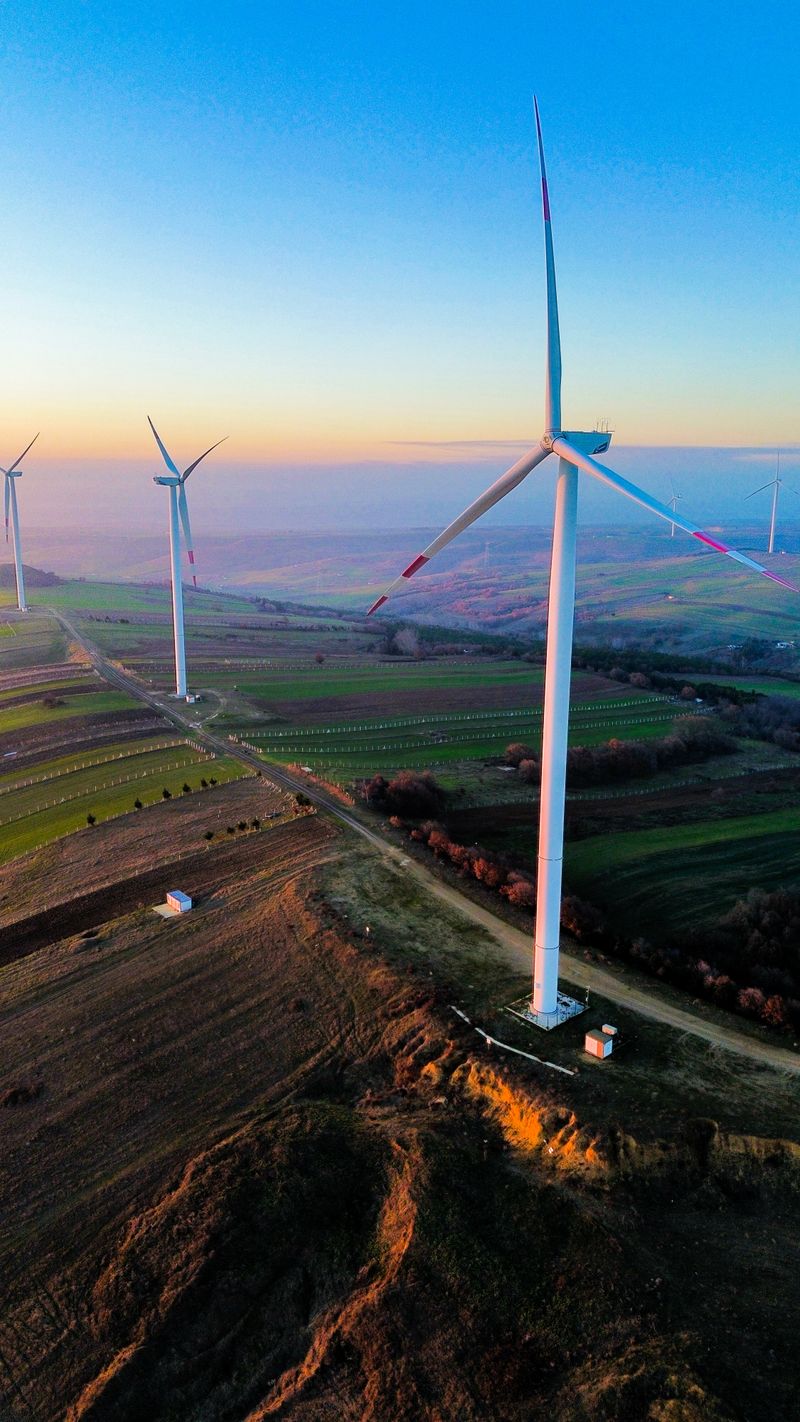
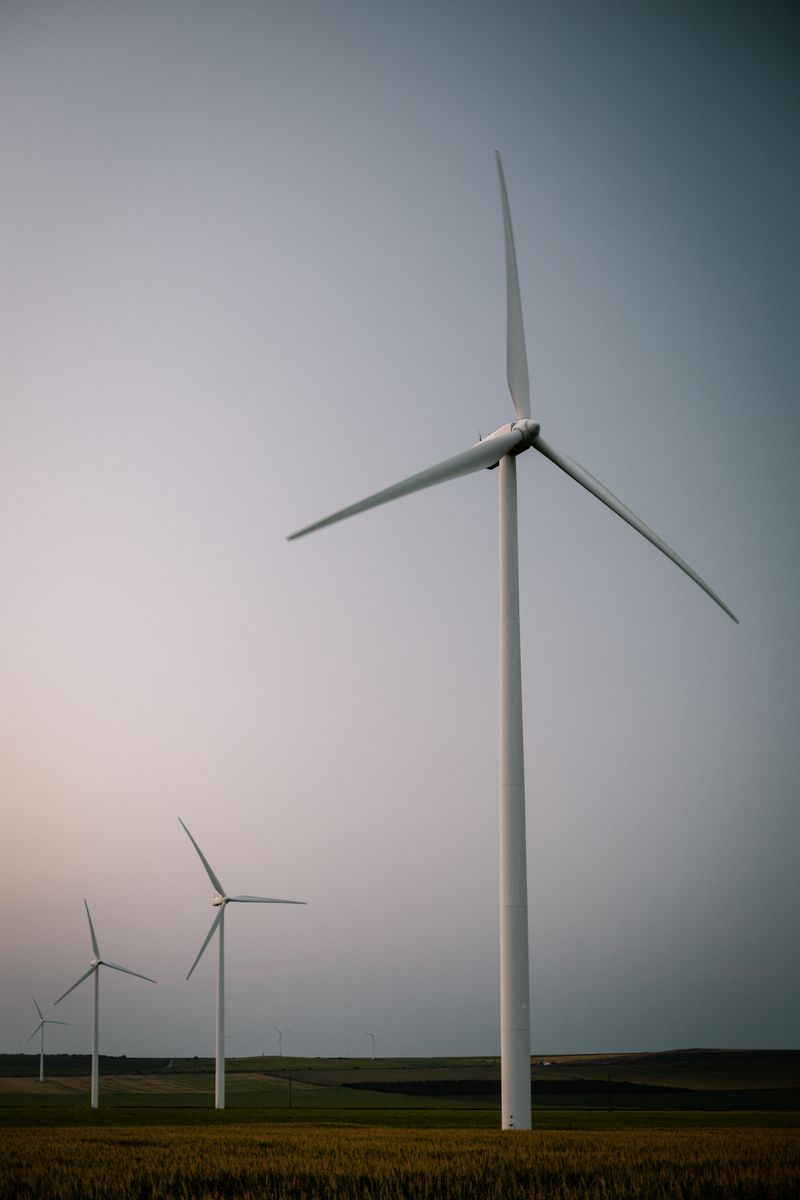
Images: wind generation infrastructure — the renewable source that grid-scale storage like DongSu is built to balance (Pexels).