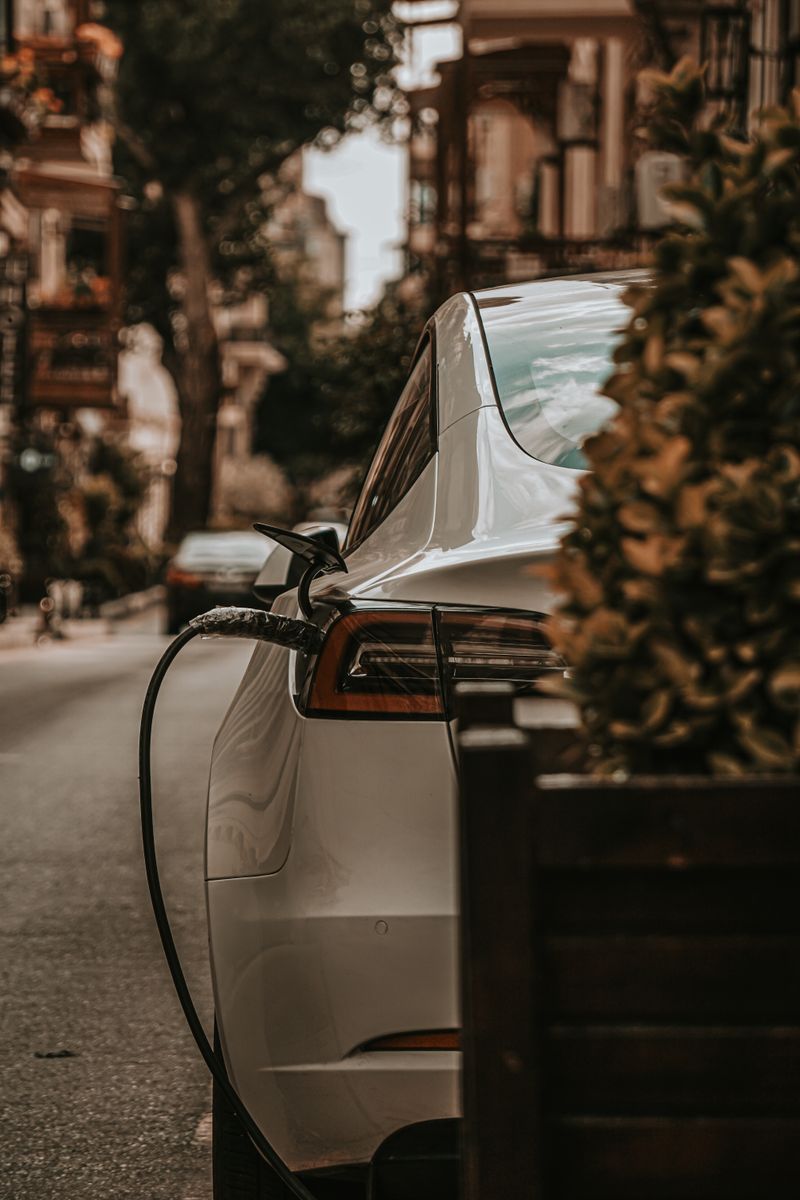
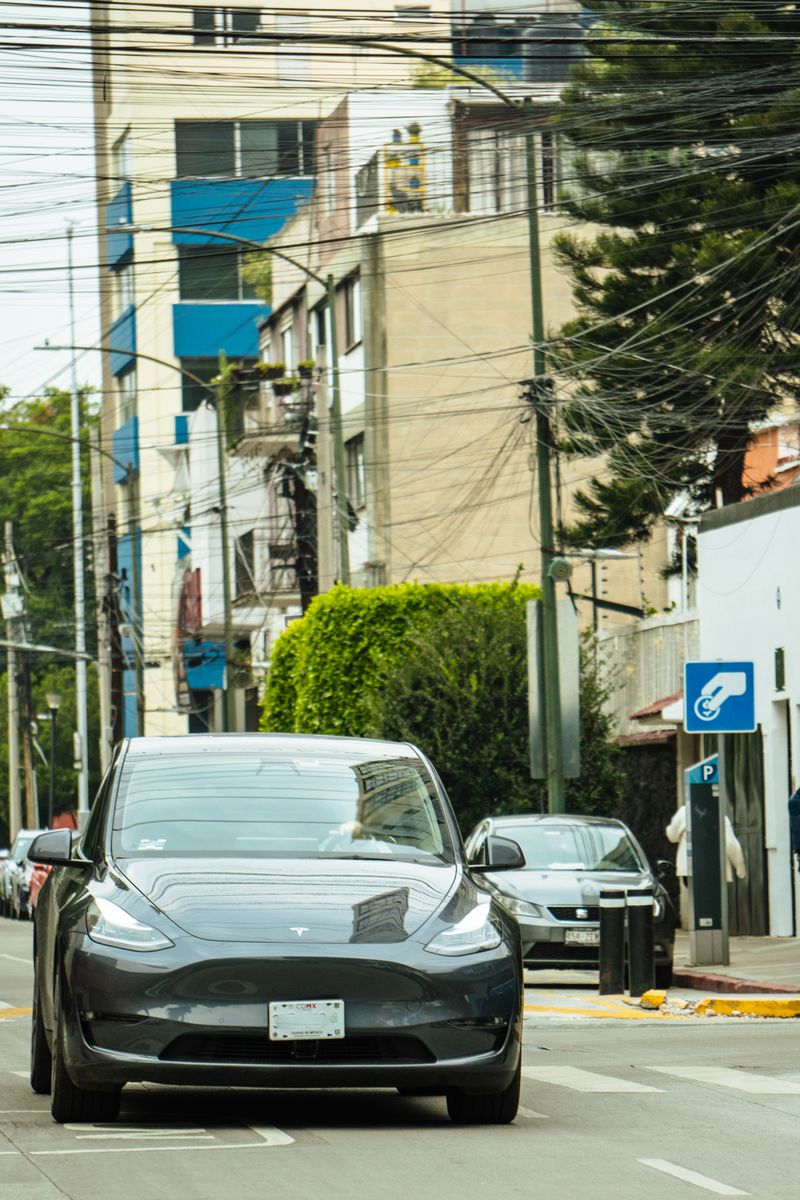
BYD is taking its cheapest electric sedan, the e7, beyond China, and the move sharpens a price fight that Tesla and legacy carmakers have struggled to answer. The e7 starts at 103,800 yuan, about $14,500, and dipped to 99,800 yuan in a launch promotion. That's less than half the price of Tesla's entry Model 3 in China, which sits around 235,500 yuan.
The car isn't a stripped-out econobox. Buyers pick between a 48 kWh pack rated at 450 km or a 57.8 kWh pack rated at 520 km on China's CLTC cycle. Both use BYD's cobalt-free Blade battery, the flat lithium-iron-phosphate design the company has built its safety marketing around. BYD moved the e7 out of its budget e-series and into the Ocean lineup that includes the Dolphin and Seagull, a sign it wants the car treated as a mainstream product rather than a bargain-bin filler.
Why the e7 matters outside China
Price is the whole story here. Western automakers keep promising affordable EVs and keep missing. Tesla has talked about a cheaper model for years without shipping one at scale. Volkswagen, Stellantis and Ford have all pushed their sub-$30,000 electric plans to the right. BYD, by contrast, already sells the Seagull hatchback for under $10,000 at home and is now exporting variants of it across Latin America, Southeast Asia and Europe.
The e7 fits a gap in BYD's export catalog: a roomy sedan that undercuts nearly everything on price while still offering a panoramic roof, a 15.6-inch-class touchscreen ecosystem through the DiLink cockpit, voice control and driver assistance. For buyers in price-sensitive markets, that combination is hard to match. Analysts have pointed to Indonesia, Thailand and Brazil as likely landing spots, all places where BYD is either building or has opened local plants to sidestep import tariffs.
Tariffs are the catch. The European Union kept its countervailing duties on Chinese-built EVs, which pushes BYD toward its new Hungarian and Turkish factories to serve the bloc. Cars assembled inside Europe avoid the levies, so the e7's real European price will depend on where it's screwed together rather than the Chinese sticker.
Tesla's record quarter complicates the picture
BYD's push arrives just as Tesla posted its strongest quarter in two years. Tesla delivered 480,126 vehicles in the second quarter of 2026, up about 25% year over year and roughly 74,000 above Wall Street estimates, according to the company's Q2 delivery report. European sales improved after a rough 2025, and the refreshed Model Y did much of the lifting.
That rebound matters because it undercuts the narrative that Tesla is in freefall against Chinese rivals. Tesla still commands brand pull, a Supercharger network that competitors lean on, and software margins that BYD can't yet match. What Tesla doesn't have is a genuinely cheap car. The e7 attacks exactly that soft spot, and it does so in the segments where Tesla is thin — compact and mid-size sedans for first-time EV buyers.
The two companies are chasing different customers for now. Tesla's Q2 buyers skew toward the $40,000-plus bracket. BYD's e7 target sits near $15,000 to $22,000 depending on the market. Where they'll collide is the used market and the fleet and ride-hail channels, where total cost per kilometer decides purchases and a sub-$20,000 sedan with a 520 km range is tough to beat.
The global EV market keeps expanding
The setting for all this is a market that keeps growing even as headlines fixate on slowdowns in the United States. Global EV sales topped 2 million units in June, and more than one in five new cars sold worldwide in 2025 were electric. China accounts for the bulk of that volume, but Southeast Asia and Latin America are the fastest-growing new fronts, and they're exactly where a $15,000 sedan lands hardest.
Indonesia is one market to watch. The government has been weighing incentive structures for battery EVs while betting heavily on local battery manufacturing, and cheap imported or locally assembled sedans could accelerate adoption faster than premium models ever did. Readers following that shift can track the battery side of the story in our Battery Tech coverage, where the Blade cell chemistry powering the e7 keeps coming up.
BYD's cost advantage isn't magic. The company builds its own cells, controls much of its supply chain, and runs plants at a scale that spreads fixed costs thin. That vertical integration is why it can price the e7 where rivals can't follow without bleeding money. It's also why competitors keep lobbying for tariffs rather than trying to match the sticker.
What to watch next
Three things will decide whether the e7 becomes a global volume seller or stays a China curiosity. First, homologation: BYD has to certify the car for right-hand-drive markets and European crash standards, which takes months and money. Second, local assembly: duties will make or break the price outside China, so the cars need to roll out of plants in Hungary, Turkey, Thailand or Brazil rather than ship from Shenzhen. Third, service networks: cheap cars don't sell if buyers can't get them fixed, and BYD's dealer footprint is still thin in many export markets.
For now, the e7 is a marker of where the industry is heading. The center of gravity in EVs has shifted toward affordability, and the companies that can build a decent electric car for the price of a used gas one will win the next decade of volume. Tesla's record quarter shows the premium end is healthy. The e7 shows the cheap end is finally getting serious. Buyers, especially in emerging markets, are the ones who come out ahead.
The pricing pressure won't stay contained to BYD, either. Chery, Geely and Great Wall are all pushing their own low-cost electric sedans abroad, and each new entrant forces the others to trim margins. That competition is ugly for carmaker profits and great for anyone shopping for a first EV. Whether Western brands can respond without government protection is the open question, and the e7's export run will be an early test of the answer.
More coverage of new models and charging infrastructure is available in our ongoing EV section. For the full delivery breakdown behind Tesla's quarter, Reuters reported the record numbers and the European recovery in detail.