Indonesia is about to bet bigger on electric vehicles. Finance Minister Purbaya Yudhi Sadewa said on August 4 that President Prabowo Subianto will unveil a new incentive package covering half a million electric cars and half a million electric motorcycles, pushing the total to one million vehicles. The statement, made on the sidelines of the Gaikindo Indonesia International Auto Show (GIIAS) in Tangerang, lifts an earlier plan that capped the program at 200,000 units.
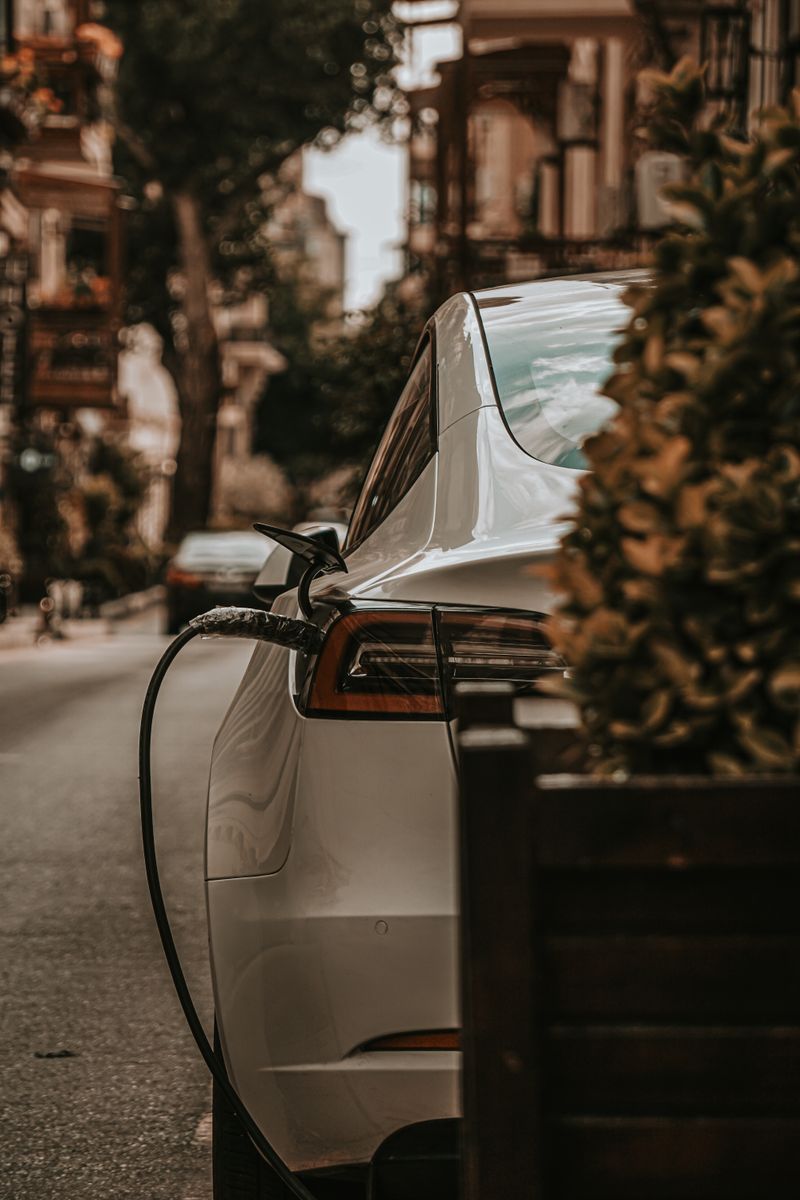
It also lands at a moment when Indonesian EV sales are climbing faster than most projections. Gaikindo's wholesale data for the first half of 2026 shows vehicle sales of 436,564 units, up 15.9 percent from a year earlier. Electrified models — battery electrics, hybrids, and plug-in hybrids combined — made up 26.8 percent of national passenger vehicle sales, compared with 18.3 percent in the same period of 2025, as the Jakarta Post reported. The incentive news broke the same week the show floor filled up with budget-focused electric cars, and the government now has to prove it can convert its nickel wealth into a working market.
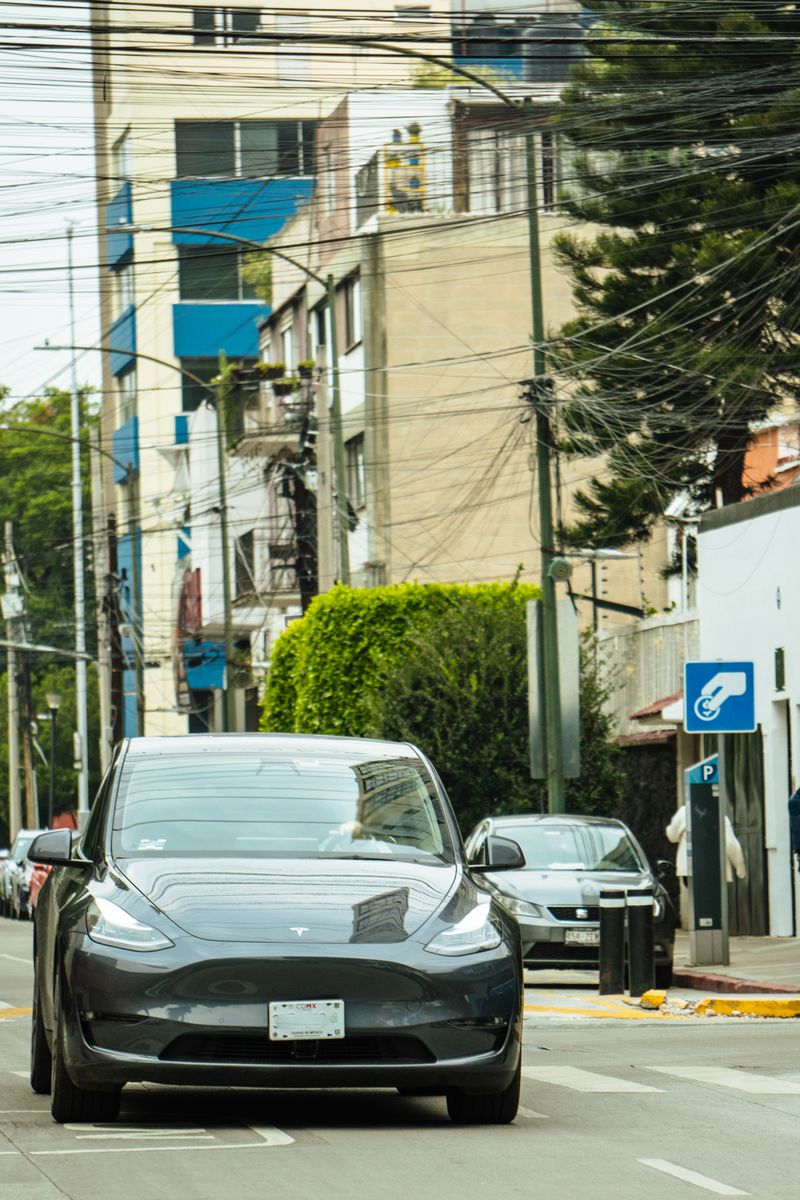
A million-unit program with a presidential deadline
The scale of the proposal keeps growing. In May, Purbaya described a plan covering 200,000 vehicles — 100,000 cars and 100,000 motorcycles. Speaking at GIIAS on August 4, he multiplied it fivefold.
"Within two or three weeks, the President will launch a new stimulus for electric vehicles, including for 500,000 electric motorcycles and also 500,000 electric cars," Purbaya told reporters, according to CNN Indonesia.
The finance minister did not pin down the mechanics of the package, but he did signal that the value-added tax borne by the government (PPN DTP) is likely to be one of the instruments. Earlier discussions weighed a PPN DTP covering 40 to 100 percent of the tax, depending on the vehicle type and its battery content. Officials say the final shape is still being calculated, and the palace will announce the details.
Purbaya also ruled hybrids out of the current plan. "I have not heard of that plan. What there is, is an EV-only plan," he said, per Kompas.
The KSSK financial stability committee meeting on August 3 framed the incentives as part of a broader stimulus package for the second half of 2026, after second-quarter growth lost pace. The stated goals: support household purchasing power, trim fuel-import outflows, strengthen energy security, and build out the domestic battery industry.
What a million units would change
If the program lands at the stated scale, it would roughly double the country's cumulative EV footprint. Indonesia's market has grown from a low but quickening base, and the first half of 2026 shows why the government feels ready to push harder.
Wholesale deliveries of electrified vehicles — BEVs plus hybrids and plug-ins — jumped 69.4 percent year on year to about 117,000 units in the first six months, with battery electrics accounting for roughly 69,000 units. Annualized, that pace puts BEVs alone well past the level the earlier 100,000-car subsidy idea assumed, which is one reason the finance ministry raised its target.
The Indonesian market also remains underpowered relative to its population, a point Purbaya made directly. "Although Indonesia's population is more than seven times as large as Malaysia's, annual vehicle sales are similar in both countries. Slower economic growth over the past decade has constrained household incomes," he said at the KSSK briefing, as quoted by the Jakarta Post. Stronger growth and a better business climate, he argued, would eventually lift demand on their own.
That context matters for the incentive math. A per-vehicle PPN DTP support scheme at the previously discussed levels would cost billions of rupiah before the motorcycle side is even counted, and the finance ministry has been tight-lipped about the budget line. The one thing Purbaya repeated was the timeline: within two to three weeks, from the presidential office, as Kompas reported.
GIIAS shows what automakers expect
GIIAS 2026, running July 30 through August 9 at the Indonesia Convention Exhibition in BSD City, shows exactly what the brands plan to sell into an incentive-boosted market. More than 65 brands occupy the floor, and the star of the show is the affordable electric car, not the flagship concept, as CleanTechnica documented from the media days.
The Wuling Aira EV, the four-door successor of the popular Air EV, targets first-time buyers in the entry segment. Chery launched the compact Q hatchback with 20 advanced driver assistance systems, six airbags, and a 30-to-80 percent charge in 16.5 minutes, arguing that affordable EVs no longer have to be bare-bones. Leapmotor made its formal Indonesian debut with the B10 and C10 crossovers, to be assembled locally through PT National Assemblers, priced from 449 million rupiah. Changan's Deepal S05 arrived in battery-electric and range-extended forms, a hedge for buyers who worry about charging coverage. VinFast showed its VF 3, VF 6, and VF 7 crossovers plus commercial vans tied to the V-GREEN charging network.
The established names are playing the same game. Mitsubishi introduced its first locally produced hybrid, the Xforce HEV; Toyota launched the Land Cruiser HEV and showed the Hilux BEV prototype; Hyundai staged the three-row Neira MPV concept aimed at ASEAN. In a country where multi-seat vehicles lead sales, the electric vans and SUVs are where volume will come from.
Nickel, batteries, and the incentive design
The most interesting detail in Purbaya's hint list is the possibility of different treatment for nickel-based and lithium-based packs. Indonesia sits on about a fifth of the world's nickel reserves, and since the export ban that started in 2020, the country has pushed hard for smelting and refining at home. A tax break shaped around local nickel content would push demand into domestic cell makers and reward the factories that are still ramping up.
It would also complicate matters for automakers. Most of the affordable EVs at GIIAS run on LFP or lithium packs sourced elsewhere, and a subsidy regime that strongly favors nickel chemistry would tilt the model mix in ways the brands did not plan for. The earliest statement out of the ministry suggested the treatment would vary by "type and battery content," leaving room for compromise.
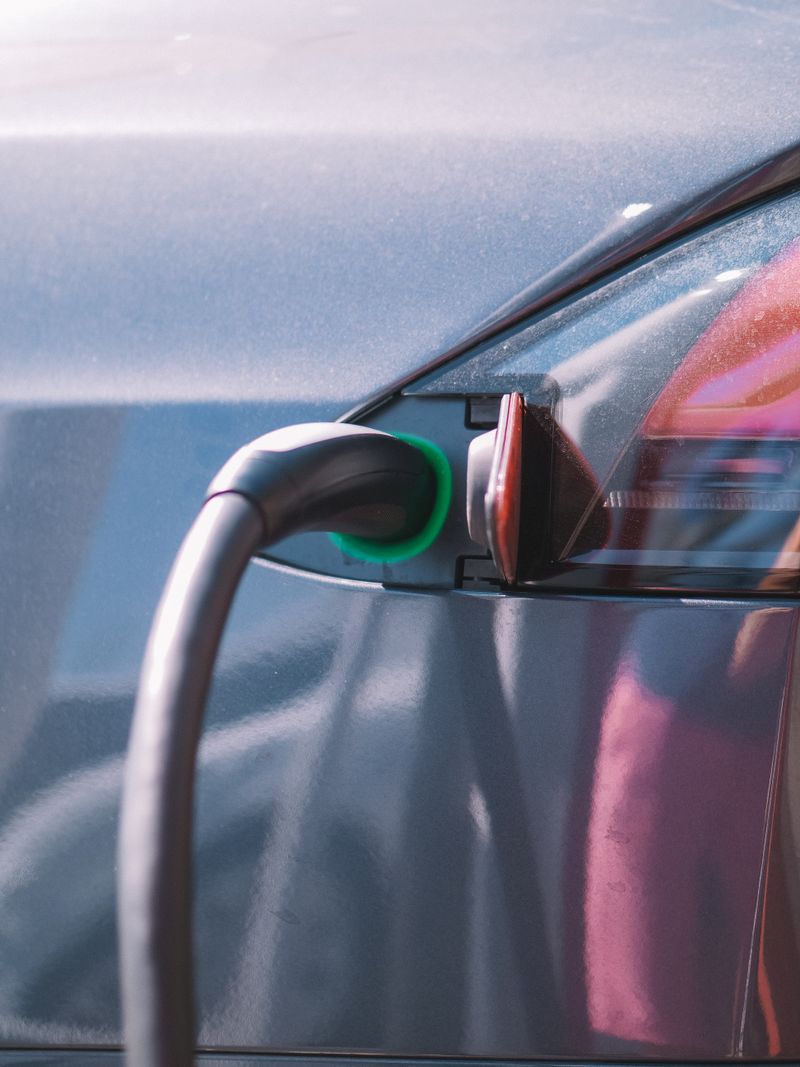
The bigger constraint is the charging network. Indonesia's grid and its installed public chargers remain concentrated on Java, and the state utility PLN has been building stations one project at a time rather than in a flood. Automakers at GIIAS answered with range-extended powertrains and hybridization, saying plainly that their cars must survive the gaps.
The regional race for EV demand
Indonesia is not the only Southeast Asian government spending on EV demand. Thailand is courting Japanese brands and electric trucks, Vietnam is leaning on a homegrown automaker in VinFast, and Malaysia has set local assembly targets for Chinese brands. Indonesia has both the largest car market and the richest battery ores in the group, which makes its incentive formula the one that rivals watch.
The Jakarta Post noted the step change in the numbers: electrified vehicles went from 18.3 to 26.8 percent of passenger sales in a year, while BEVs alone now clear 60,000 a half. Incentives at the one-million-unit scale would be tested against that same math — whether the pool is big enough for buyers who were already converting.
Officials promised the announcement within weeks, which will be barely after the GIIAS doors close. The deciding question is no longer whether Indonesia wants electric cars — the 26.8 percent share answers that — but whether the chargers, the fiscal bill, and the battery supply chain can keep up. On that, the ministry offers a target, not a guarantee.
For more on the charging and market side of this, see our EV coverage, and the cell-chemistry angle is over in Battery Tech, while the regional manufacturing play was covered in Leapmotor's Indonesian market entry.